
Henan Opera, often called Yu Opera in English, is one of China’s most popular and widely known forms of traditional theater. It comes from Henan Province in central China. The name “Yu” is the short name for Henan, so “Yu Opera” simply means the opera of Henan.
For many Chinese people, Henan Opera is familiar, lively, and full of energy. Its singing is bright and powerful, its rhythm is clear, and its emotions are direct. If Peking Opera feels like a refined court artist, Henan Opera feels more like a folk singer from the countryside—simple, passionate, strong, and close to ordinary people’s lives.
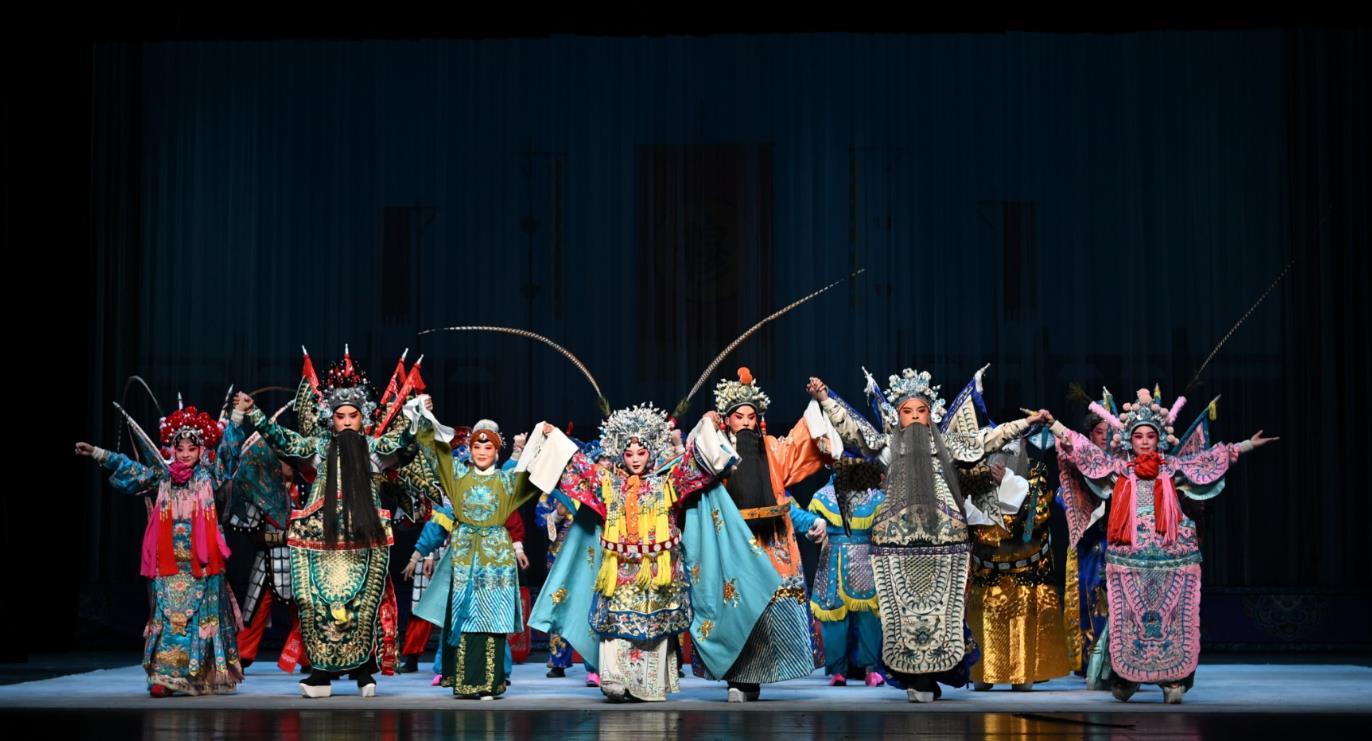
What Is Henan Opera?
Where the Name Comes From
Henan Opera was once commonly called Henan Bangzi or Henan Gaodiao. In some local areas, ordinary people also called it “Kaoshanhou,” which means “shouting against the mountains.” These old names describe its sound: loud, bright, and full of energy.
Henan Opera grew out of local folk songs, storytelling, regional dialects, and traditional performance arts in Henan. As people moved and culture spread, Henan Opera also traveled beyond Henan and became one of the most widely performed local opera forms in China.
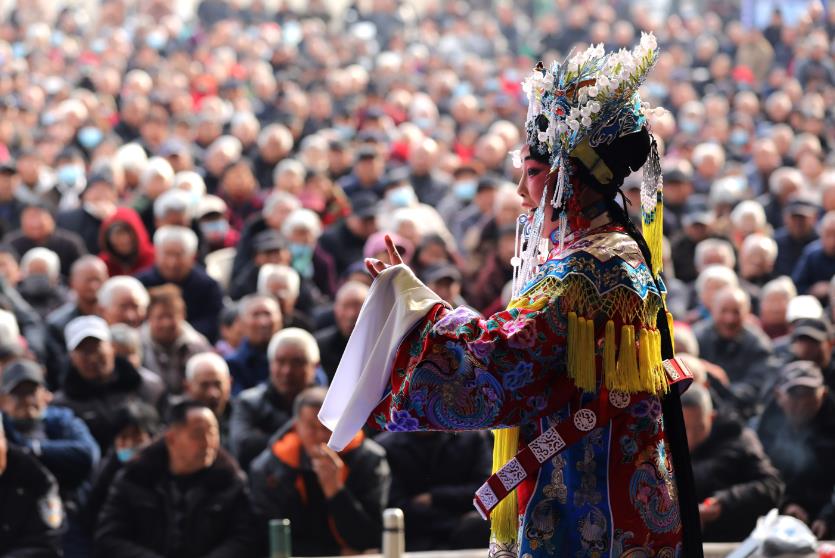
Its Place in Chinese Theater
China has many kinds of traditional opera, and each region has its own style. Henan Opera is one of the most important among them. It is also listed as part of China’s national intangible cultural heritage.
What makes Henan Opera special is that it is easy to understand. The stories are clear, the characters are vivid, and the emotions are strong. For people who are new to Chinese opera, Henan Opera can be a very good starting point.
A Short History of Henan Opera
From Folk Stages to City Theaters
Henan Opera began as a folk art. In the past, it was often performed at village fairs, temple festivals, market days, and local celebrations. The audience was usually made up of farmers, merchants, and ordinary townspeople.
Because of this, Henan Opera has always been close to daily life. Its stories are easy to follow, its language is lively, and its characters often feel real. People did not need special training to enjoy it.
Over time, Henan Opera moved from open-air village stages into city theaters. Artists improved the scripts, singing styles, and stage performance. The art form kept its strong folk spirit, but it also became more suitable for modern audiences.
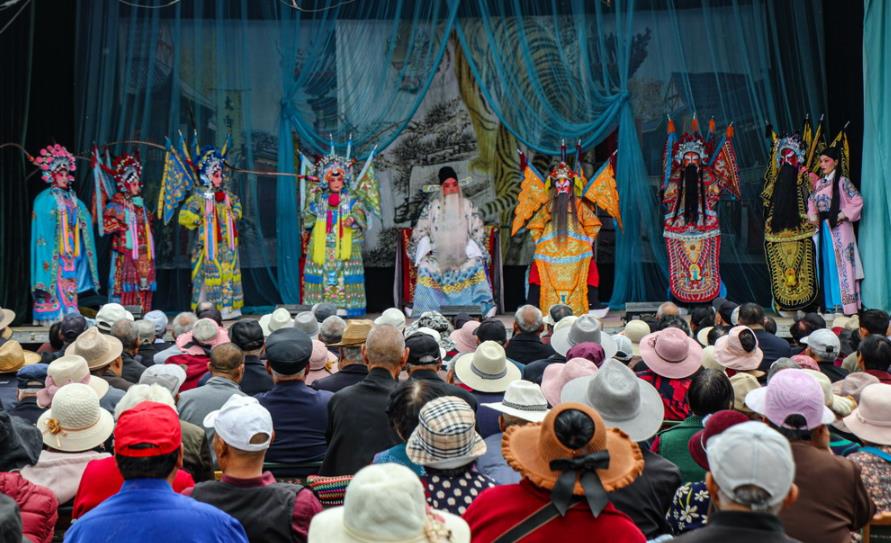
Becoming Intangible Cultural Heritage
Later, Henan Opera was included in China’s national intangible cultural heritage list. This means it is not just local entertainment, but also an important part of Chinese traditional culture. It needs to be recorded, protected, studied, and passed on to future generations.
For foreign audiences, learning about Henan Opera is also a way to understand Chinese folk culture, regional identity, and traditional ideas about family, loyalty, courage, and justice.
What Makes Henan Opera Special?
Bright and Powerful Singing
One of the most obvious features of Henan Opera is its singing style. The voice is often high, bright, strong, and full of rhythm. This makes the performance feel energetic and exciting.
The singing can express many emotions:
- Joy and excitement
- Anger and protest
- Sadness and loneliness
- Courage and determination
Even if you do not understand Chinese, you can often feel the emotion from the singer’s voice.
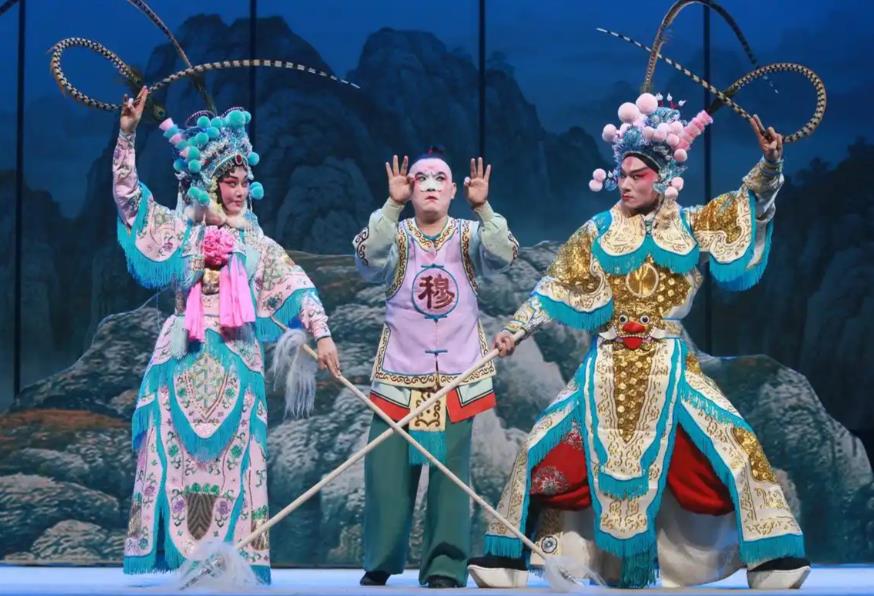
Clear Stories and Direct Emotions
Henan Opera uses a regional Chinese dialect, so foreign viewers may not understand every word at first. However, the emotions are usually very direct.
When a character is happy, the performance feels warm and lively. When a character is sad, the singing becomes heavy and moving. When a character is angry, the rhythm becomes sharp and strong.
This direct emotional style makes Henan Opera easier to feel, even for people who are not familiar with Chinese opera.
Simple but Vivid Performance
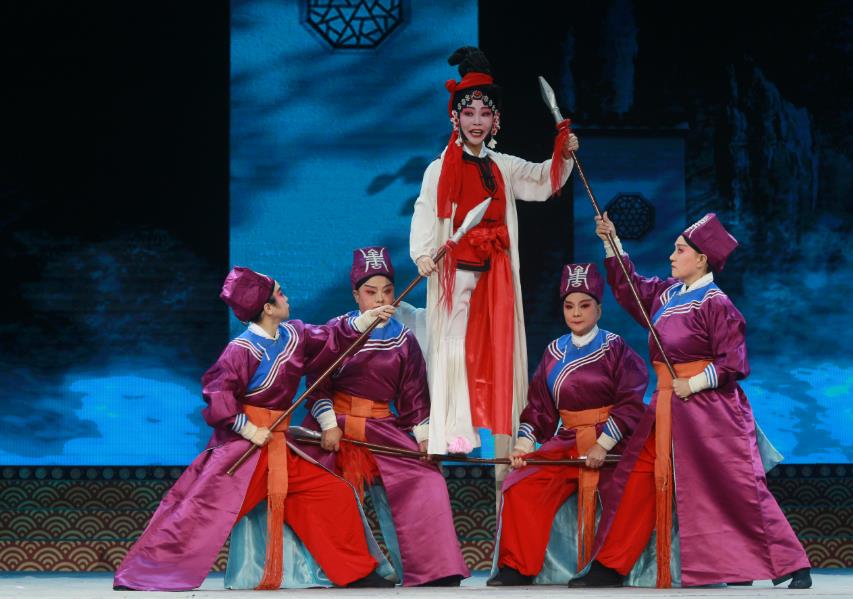
Like other Chinese operas, Henan Opera uses four main performance skills:
- Singing – to express inner feelings
- Speaking – to move the story forward
- Acting – to show character through body movement and expression
- Martial arts – to present fighting scenes and physical skill
Henan Opera does not always focus on being overly elegant. Instead, it pays more attention to whether the story is interesting, the characters are believable, and the emotions are strong.
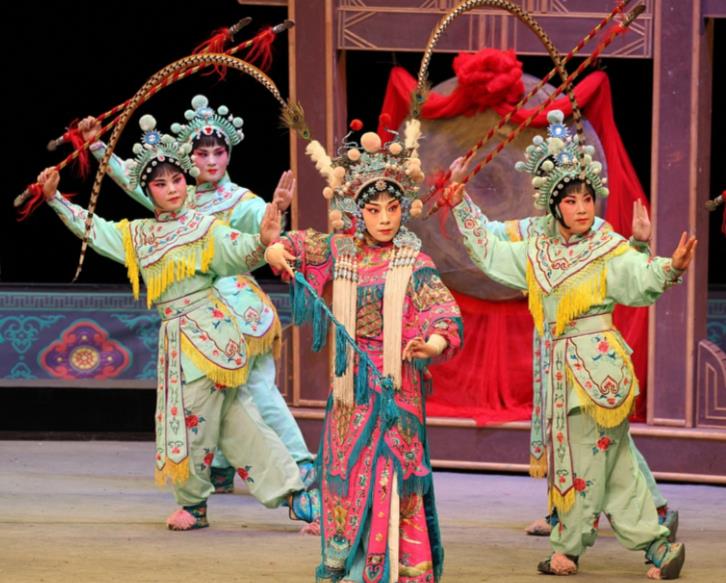
Distinctive Musical Accompaniment
The music of Henan Opera is very recognizable. Common instruments include the banhu, erhu, flute, sheng, drums, and gongs.
The banhu is especially important. It has a bright, sharp sound that often leads the melody. Drums and gongs help control the rhythm and create atmosphere.
When the story becomes tense, the percussion becomes faster. When a character expresses deep feelings, the music becomes softer and more expressive. The music and acting work closely together to make the performance more powerful.
What Stories Does Henan Opera Tell?
Henan Opera has a rich collection of plays. The stories come from history, folk legends, family life, moral tales, and modern social themes.
Heroic and Historical Stories
Many Henan Opera plays tell stories about loyalty, bravery, responsibility, and patriotism. The main characters are often heroes who face danger, protect their families, or serve their country.
These stories help foreign audiences understand traditional Chinese values such as loyalty, righteousness, courage, and filial piety.
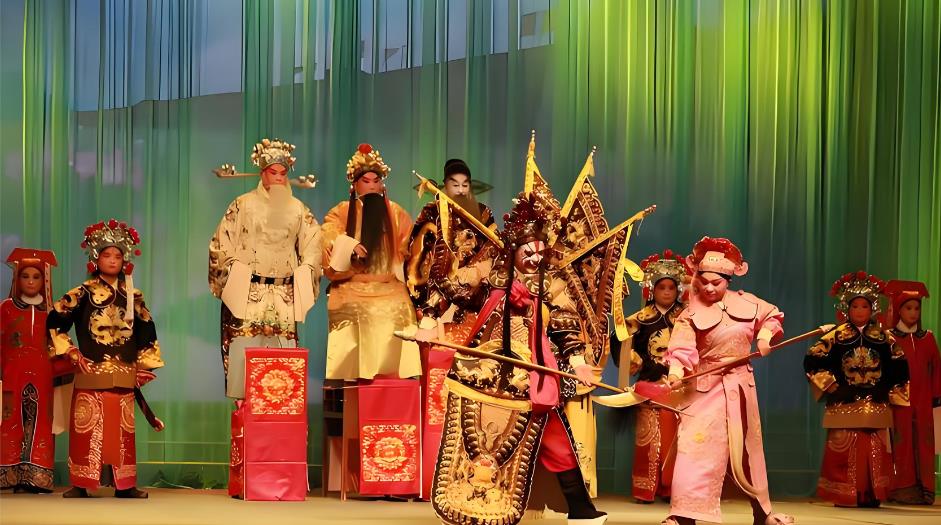
Strong Female Characters
Henan Opera also has many famous stories with female leading roles. These women are often not weak or passive. Instead, they can be smart, brave, independent, and determined.
Some female characters join the army for their fathers, lead soldiers into battle, or make important choices in difficult situations. These stories show the strength and wisdom of women in traditional Chinese culture.
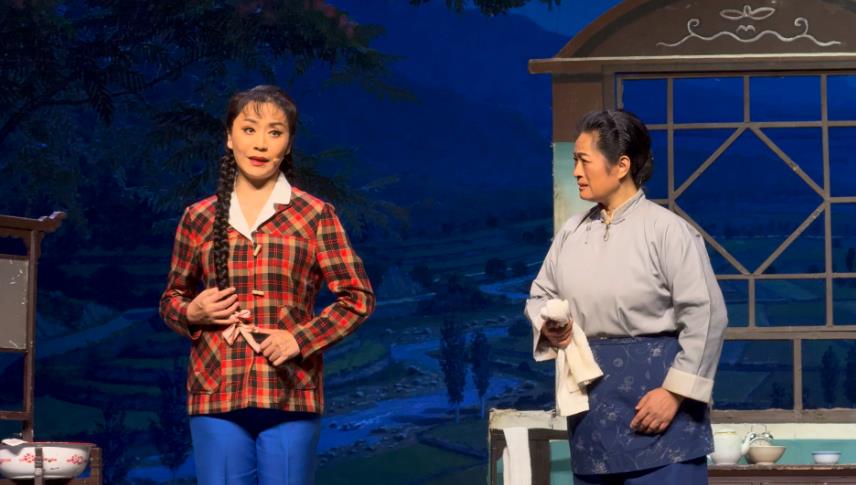
Family Life and Comedy
Besides serious historical stories, Henan Opera also includes many light and humorous plays. These stories often focus on family relationships, marriage, neighbors, misunderstandings, and everyday life.
This side of Henan Opera is especially friendly to foreign audiences. It shows the humor, warmth, and human feeling in Chinese daily life.
Why Should Foreign Audiences Learn About Henan Opera?
It Reflects Chinese Folk Culture
Henan Opera is more than stage performance. It also carries the history, language, values, and lifestyle of central China. Through Henan Opera, foreign audiences can see a more vivid and human side of Chinese culture.
It Shows How Chinese Emotions Are Expressed
Chinese culture is sometimes seen as reserved or indirect. But Henan Opera shows another side: bold, direct, and passionate.
On stage, joy, anger, sadness, love, loyalty, and injustice are expressed clearly. These emotions are part of Chinese culture, but they are also universal. Audiences from different countries can understand them.
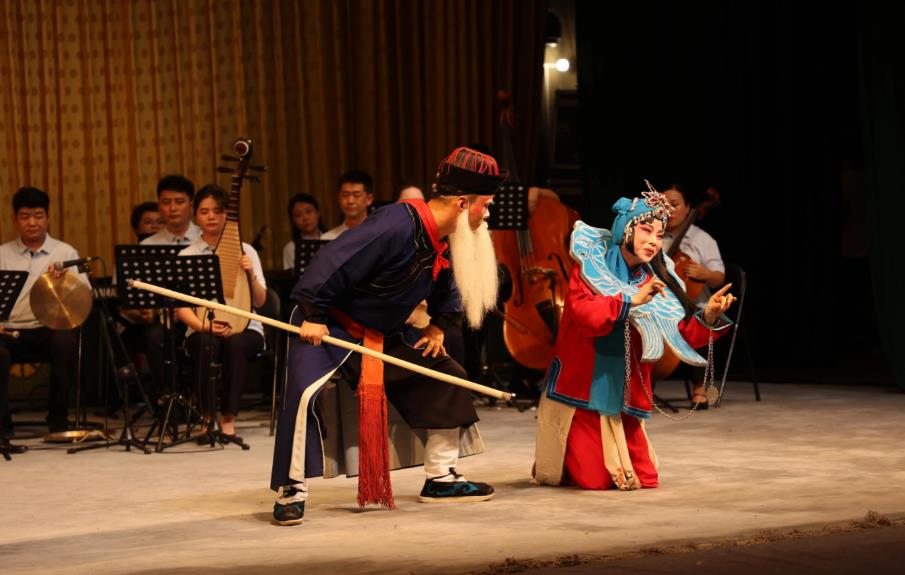
It Is a Good Entry Point to Chinese Opera
For foreigners who have never watched Chinese opera, Henan Opera can be an excellent starting point. Its stories are clear, its music is rhythmic, and its emotions are easy to feel.
If a viewer enjoys even a short clip of Henan Opera, they have already taken the first step into the world of traditional Chinese performing arts.
How to Enjoy Henan Opera as a Beginner
You do not need professional knowledge to enjoy Henan Opera. Here are a few simple tips:
- Listen for emotion first
You do not need to understand every word. Pay attention to whether the singing feels happy, angry, sad, or powerful. - Watch the actors’ movements and expressions
In Chinese opera, a hand gesture, a turn of the body, or a look in the eyes can show a character’s feelings. - Learn the basic story first
If you know the main plot before watching, the performance will be much easier to follow. - Notice the music and rhythm
The drums, gongs, and banhu are not just background sound. They help create tension, mood, and pace. - Start with short clips
You do not need to watch a full-length play at first. A few minutes of a famous scene is enough to feel the style of Henan Opera.
Final Thoughts
Henan Opera is a traditional Chinese theater art from the heart of China. It is loud, emotional, vivid, and full of life. It carries both historical depth and folk warmth.
For foreign audiences, Henan Opera is more than a regional art form. It is a window into Chinese culture. Through its singing, stories, and performances, people can hear the voice of central China, feel the emotions of Chinese people, and experience the simple, passionate beauty of traditional Chinese art.



There are no comments yet, come and comment~