
Chinese ceramics, often referred to in English as Chinese Pottery and Porcelain, is one of the most iconic and celebrated traditional arts of China.
When many people hear the word “ceramics,” they may think only of everyday objects such as bowls, plates, and vases. But Chinese ceramics go far beyond simple household items. Made from clay, shaped by hand, glazed with care, and fired in a kiln, these objects become both useful and beautiful works of art. For thousands of years, Chinese people have poured their daily life, aesthetic taste, beliefs, and craftsmanship into ceramics.
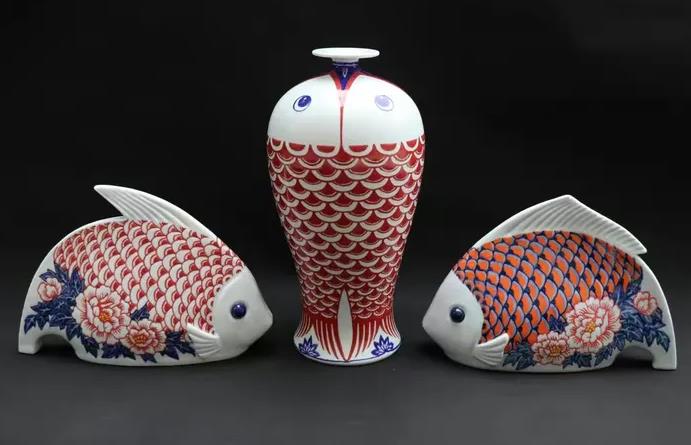
To the Chinese, ceramics are both practical objects and fine art. They are simple yet refined, ancient yet still admired around the world today.
If Chinese calligraphy expresses the Chinese spirit through brush and ink, then Chinese ceramics express Chinese beauty through clay and fire.
What Are Chinese Ceramics?
What Is the Difference Between Pottery and Porcelain?
Many people use the word “ceramics” as a general term, but in Chinese tradition, pottery and porcelain are not exactly the same.
Pottery appeared earlier in history. It is usually made from common clay, fired at a relatively lower temperature, and tends to be thicker and more absorbent. Early pottery was mostly used for storing food, holding water, and cooking.
Porcelain developed later, building on the experience of pottery making. It uses more refined materials, is fired at a higher temperature, and usually has a glaze on the surface. Porcelain is harder, finer, smoother, and often makes a clear ringing sound when gently tapped.
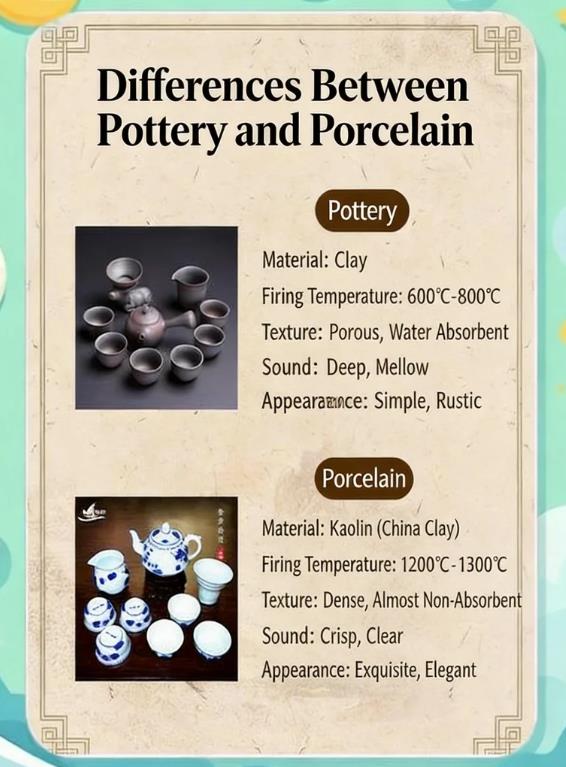
In simple terms:
- Pottery: appeared earlier, thicker in texture, with a rustic and ancient feel
- Porcelain: more technically advanced, finer in texture, with a brighter and smoother surface
- Ceramics: a general term that includes both pottery and porcelain
China is often called the “land of porcelain” because porcelain reached an exceptionally high level of development there and became one of its most representative cultural achievements.
Why Are Chinese Ceramics Important?
The importance of Chinese ceramics goes beyond beauty or usefulness.
First, they show Chinese creativity. Ancient craftspeople were able to turn ordinary clay into objects with rich colors, elegant shapes, and many different functions.
Second, they reflect Chinese ways of life. From eating and drinking tea to religious rituals, home decoration, and art collecting, ceramics have played a role in many parts of traditional life.
Third, Chinese ceramics became an important bridge between China and the outside world. Through the Silk Road and maritime trade, Chinese porcelain traveled to many countries, helping people around the world discover Chinese beauty for the first time.
How Chinese Ceramics Are Made
Chinese ceramics may look delicate, but the making process is not simple. A single ceramic piece usually goes through several careful steps.
Choosing and Preparing the Clay
The starting point of ceramics is clay. Different types of ceramics require different raw materials, such as earthenware clay, porcelain clay, or kaolin.
After the raw materials are chosen, craftspeople wash, settle, knead, and refine the clay to remove impurities. This process makes the clay more even and more flexible. It is called clay preparation.
If the clay is well prepared, the piece is less likely to crack or lose its shape in later steps.
Shaping the Form
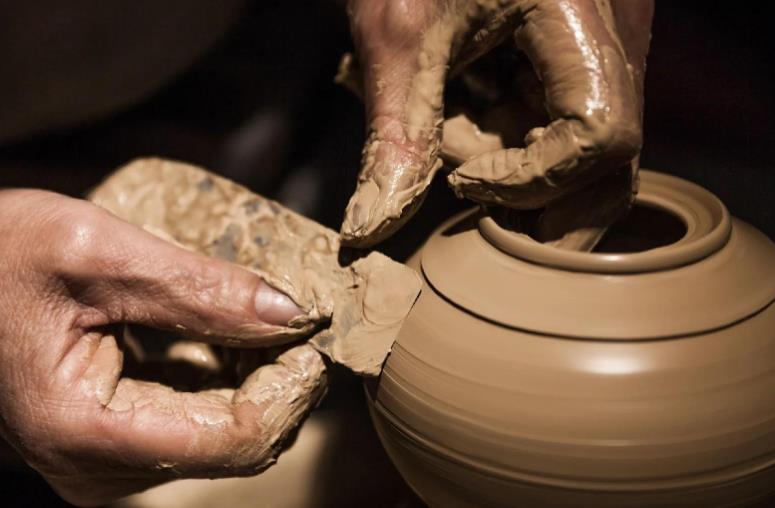
Shaping gives the clay its form. There are two main traditional methods:
- Wheel throwing: placing clay on a rotating potter’s wheel and using the hands to pull it into the shape of a bowl, vase, jar, or cup
- Hand-building or mold-making: shaping small objects by hand, or using molds to create fixed forms
This step depends greatly on the craftsperson’s skill and experience. The same clay can become very different objects in different hands.
Decoration and Glazing
Much of the beauty of Chinese ceramics comes from decoration and glaze.
Common decorative methods include:
- Carving: cutting patterns into the semi-dry clay body
- Stamping: pressing designs into the surface with a mold
- Painting: drawing patterns with special pigments
- Appliqué: attaching decorative motifs onto the surface
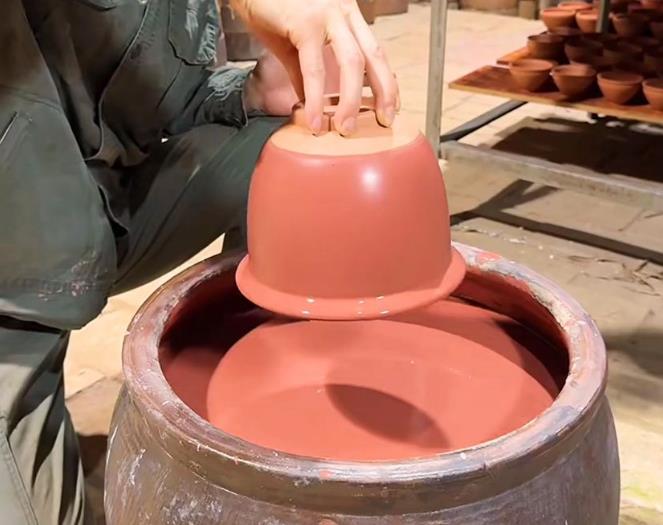
Glaze is a glass-like layer applied to the surface of the ceramic. It protects the object and also gives it color. Through glaze, ceramics can appear green, white, blue, red, black, or many other tones.
The changing colors of glaze are one of the most charming features of Chinese ceramics.
Firing in the Kiln
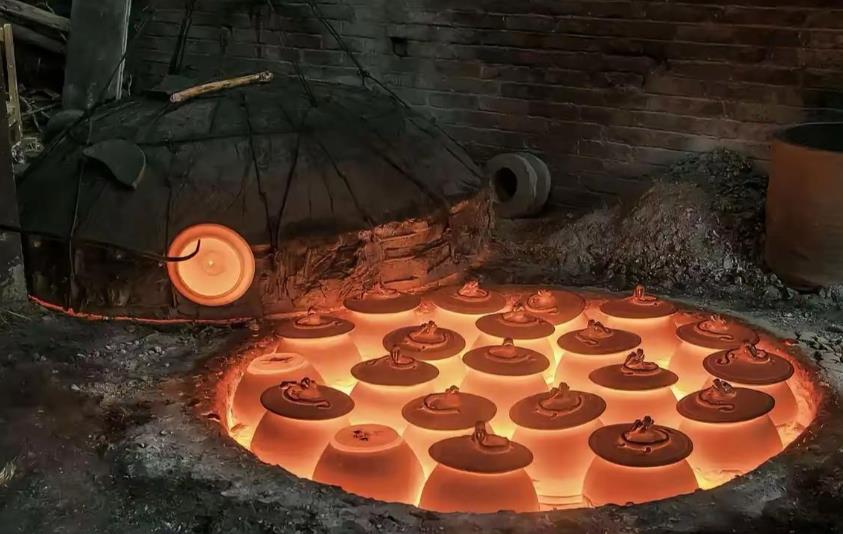
After shaping and glazing, the ceramic piece is placed into a kiln and fired at high temperature.
The firing temperature, firing time, and atmosphere inside the kiln all affect the final result. If the temperature is too low, the piece may not become hard enough. If it is too high, the piece may warp or crack.
Firing is therefore not only a technical process but also a test of experience and patience. This is why people often describe ceramics as a “song of earth and fire”: only through the transformation of fire can clay become a true work of art.
Key Stages in the History of Chinese Ceramics
Chinese ceramics have a very long history, and different dynasties developed different styles. For foreign readers, it is not necessary to remember every dynasty. Understanding a few important stages is enough to appreciate the development of Chinese ceramics.
Early Pottery: Beginning with Daily Needs
The earliest Chinese pottery dates back thousands of years. People at that time used clay to make containers for storing grain, cooking food, and holding water.
These early pieces were simple in shape and modest in color, but they already showed an understanding of form and function. They mark the beginning of Chinese ceramic art.
The Qin and Han Periods: Figurines and Early Porcelain
During the Qin and Han periods, ceramics were used in more varied ways. Besides everyday vessels, people also made ceramic figurines, ceramic buildings, and granary models, often for burial or decorative purposes.
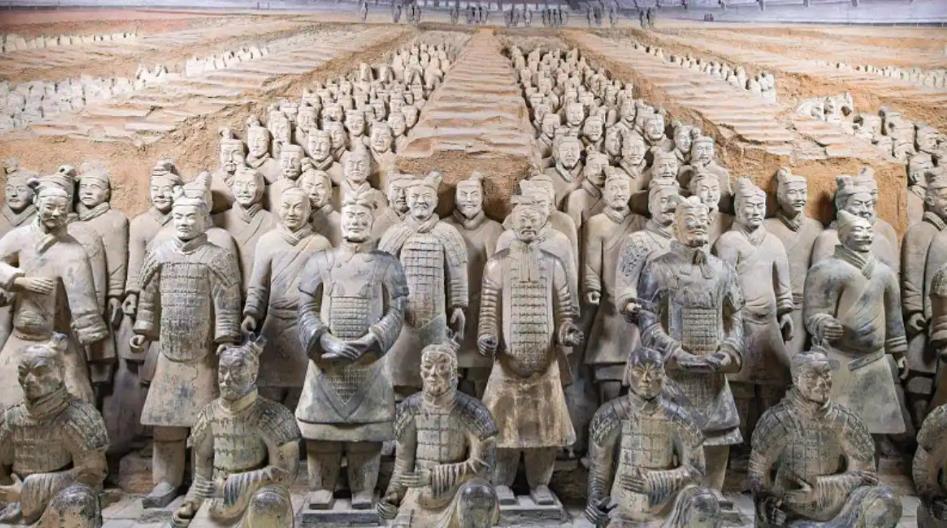
The most famous example is the Terracotta Army of the First Qin Emperor. Although the Terracotta Army belongs to ceramic sculpture rather than porcelain, it shows the impressive shaping skills and large-scale production ability of that time.
This period also laid an important foundation for the later development of porcelain.
The Tang Dynasty: Rich Colors and an Open Spirit
The Tang Dynasty was a prosperous and open period in Chinese history, and its ceramics reflected that confident spirit.
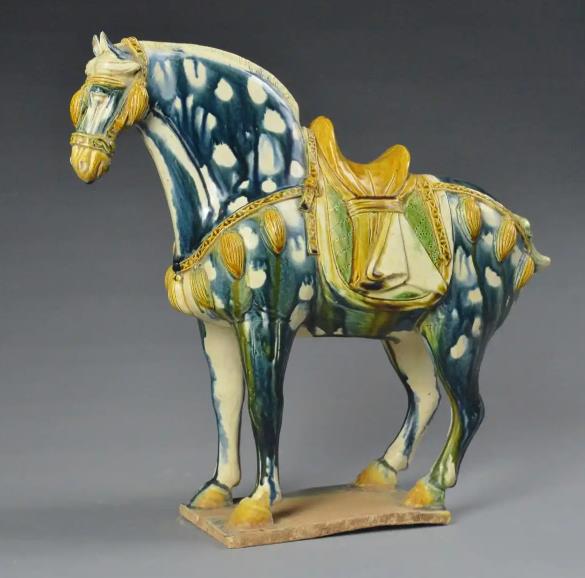
Tang ceramics often had bright colors and full, generous shapes. One famous example is Tang Sancai, or “Tang tri-color glazed pottery.” It mainly uses yellow, green, and white glazes, and was often used for burial figurines and decorative objects.
Although Tang Sancai is technically a type of low-fired glazed pottery, it beautifully represents the color, imagination, and artistic energy of Tang ceramics.
The Song Dynasty: Simplicity, Elegance, and Refinement
Song Dynasty ceramics are often considered one of the highest points of Chinese ceramic aesthetics.
Song porcelain did not usually chase bright or flashy colors. Instead, it valued glaze color, surface texture, and elegant form. Its beauty is quiet, subtle, and refined—like a cup of clear tea that becomes more interesting the longer you look at it.
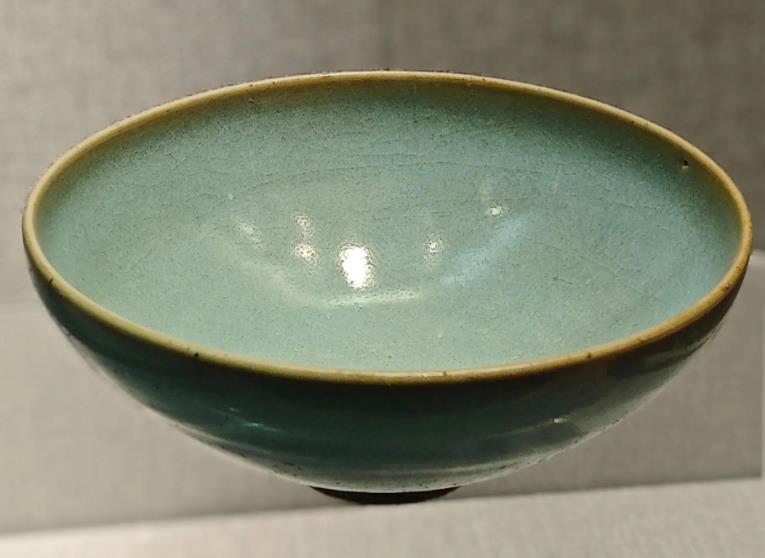
The Song period is famous for its Five Great Kilns: Ru, Guan, Ge, Jun, and Ding. Each had its own character:
- Ru kiln: warm and gentle glaze, often pale blue-green
- Guan kiln: made for imperial use, with a dignified style
- Ge kiln: known for crackle patterns that create a special decorative effect
- Jun kiln: famous for rich glaze changes, often showing purple-red and sky-blue tones
- Ding kiln: known for white porcelain with elegant decoration
Song ceramics had a deep influence on later Chinese porcelain and remain highly admired by collectors around the world.
The Yuan Dynasty: Blue-and-White Porcelain Comes of Age
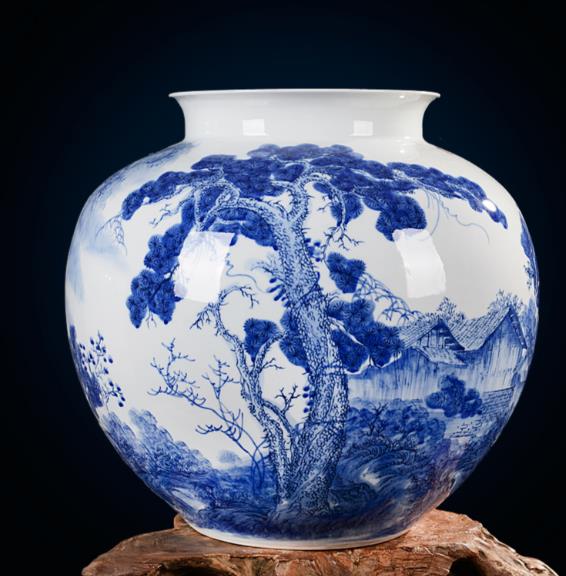
The most important representative of Yuan Dynasty ceramics is blue-and-white porcelain.
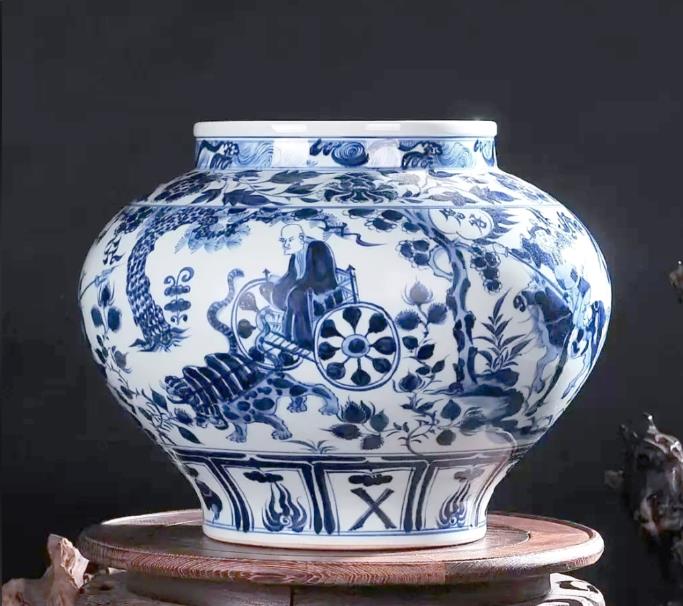
Blue-and-white porcelain is made by painting designs on a white porcelain body with cobalt pigment, covering it with a clear glaze, and firing it at high temperature. After firing, the pattern appears in blue against a white background—fresh, clear, and striking.
Yuan blue-and-white porcelain often had bold shapes and rich decoration. Its designs combined traditional Chinese motifs with influences from other cultures. It marked a new stage in the decorative art of Chinese porcelain.
The Ming and Qing Dynasties: Highly Developed Craftsmanship
The Ming and Qing dynasties were periods when Chinese ceramic craftsmanship reached a very high level.
During the Ming Dynasty, Jingdezhen became the most important porcelain production center in China. Blue-and-white porcelain continued to develop, and new techniques such as doucai and wucai appeared.
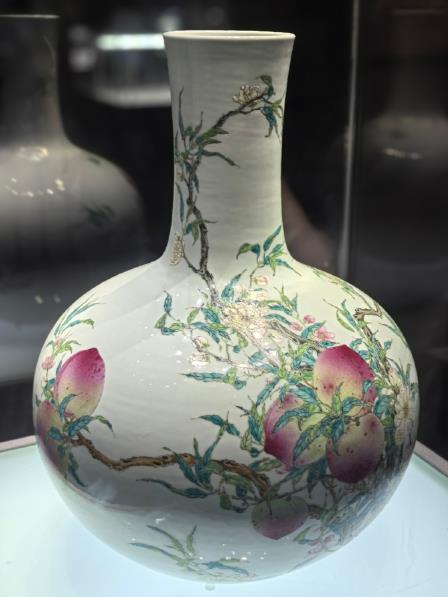
Qing ceramics became even more colorful and decorative. Famille rose and enamelled porcelain were especially admired for their soft colors, fine patterns, and rich visual effects.
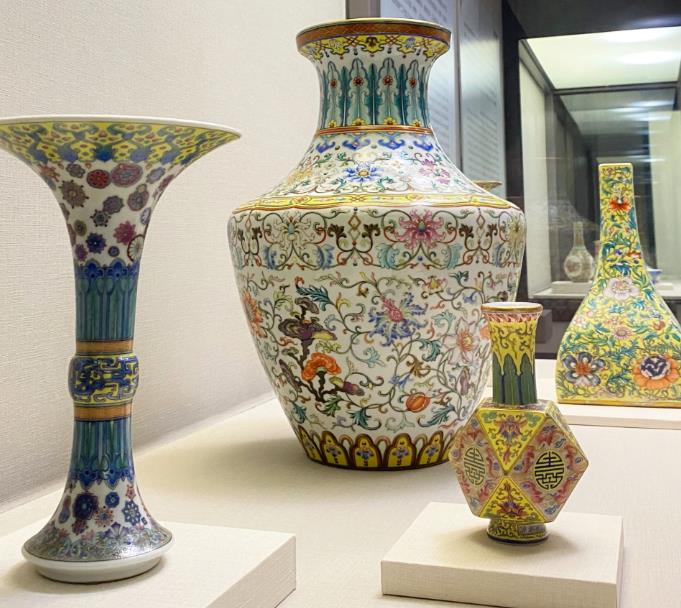
Jingdezhen produced large quantities of fine porcelain during these periods, not only for the imperial court but also for overseas trade. Many people outside China first came to know Chinese ceramics through Ming and Qing blue-and-white porcelain and colorful porcelain.
Why Chinese Ceramics Have a Unique Beauty
The Beauty of Color
Chinese ceramics display a remarkably rich range of colors.
Celadon feels warm and jade-like. White porcelain looks clean and elegant. Blue-and-white porcelain creates a classic contrast of white and blue. Red glazes feel warm and dignified, while black glazes feel deep and steady.
These colors are not simply painted on the surface. Many of them are formed naturally during high-temperature firing. Because glaze color can change with raw materials, temperature, and kiln conditions, each piece may have its own unique tone.
The Beauty of Shape
Chinese ceramics come in many different forms.
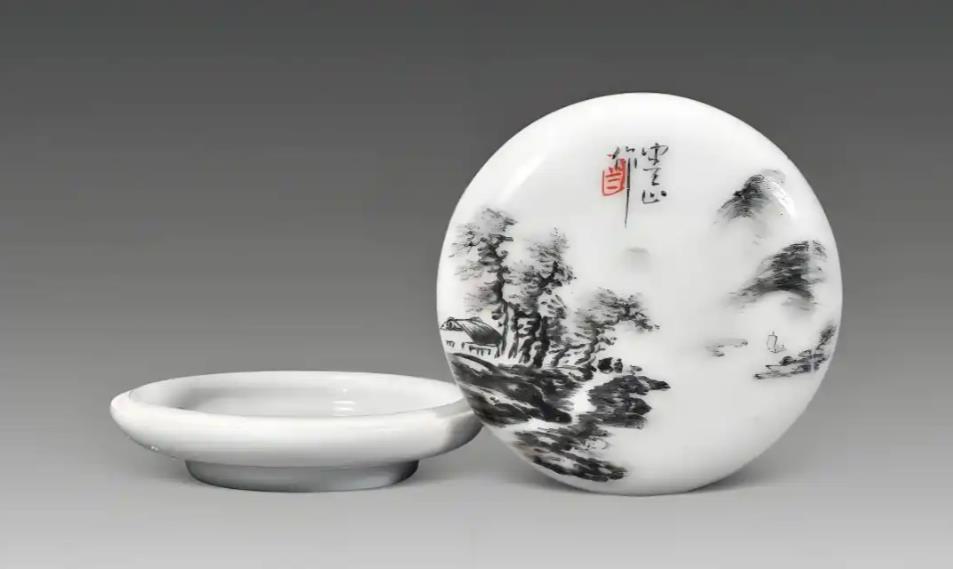
There are round bowls, plates, and vases, as well as square boxes and incense burners. There are small tea cups and tall decorative vases. There are practical jars, pots, and bowls, and there are objects made purely for appreciate and display.
A good ceramic shape is not only beautiful to look at. It also fits well with human use and visual balance. It should feel stable, yet not heavy; lively, yet not unstable.
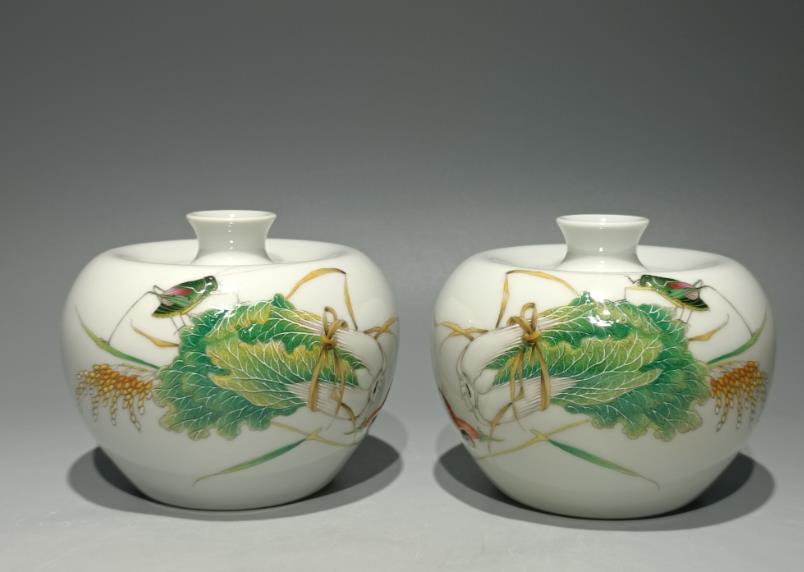
The Beauty of Pattern and Meaning
The patterns on Chinese ceramics often carry cultural meaning.
Common motifs include:
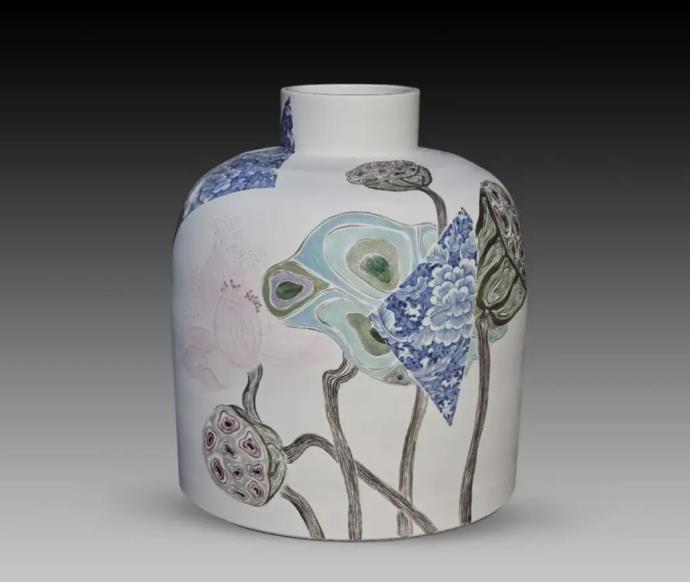
- Flowers: such as peony, lotus, and plum blossom, symbolizing wealth, purity, and resilience
- Dragon and phoenix: symbols of nobility, power, and good fortune
- Landscapes: expressing a sense of nature and poetic mood
- Figures and stories: showing scenes from history, legend, or literature
- Geometric patterns: creating order, rhythm, and decorative beauty
These patterns turn ceramics into more than objects. They become visual carriers of culture.
The Beauty of Craftsmanship
The beauty of Chinese ceramics also comes from the skill of the maker.
From kneading clay and shaping the body to painting designs and firing the kiln, every step requires experience. Especially with glaze color and kiln results, the final effect cannot always be completely controlled.
A successful ceramic piece therefore combines human design with the natural power of fire. This balance between human skill and natural transformation is one of the most fascinating qualities of Chinese ceramics.
The Cultural Meaning of Ceramics in China
A Part of Daily Life
In traditional Chinese life, ceramics were almost everywhere.
People used them for eating, drinking tea, serving soup, arranging flowers, burning incense, and storing tea or medicine. Ceramics were not distant art objects kept only in palaces or museums. They were part of ordinary life.
Because of this, ceramics also carry Chinese ideas about daily living, practicality, and beauty.
A Companion of Tea Culture
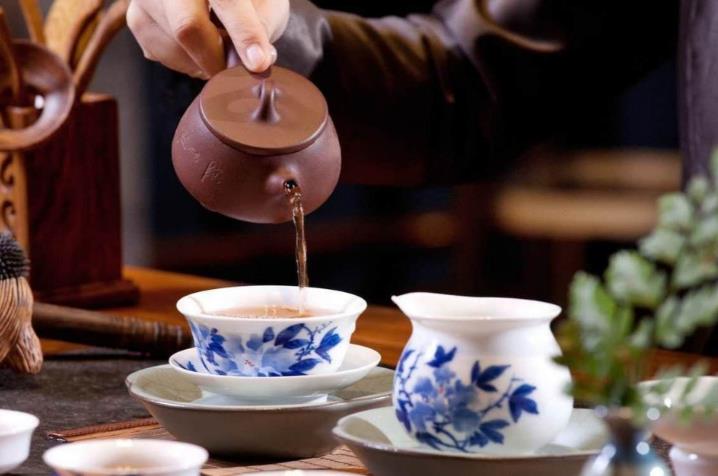
Chinese tea culture cannot be separated from ceramics.
Different teas and different tea-drinking styles are often paired with different tea vessels. Celadon, white porcelain, and purple clay pottery, for example, can all affect the color, temperature, and feeling of the tea.
Ceramic tea ware is not only practical. It also helps turn tea drinking into a calm, ritual, and aesthetic experience.
A Messenger of Cultural Exchange
Chinese ceramics traveled to the wider world very early through land and sea trade.
In ancient times, porcelain was one of China’s most important export goods. Many countries came to know China through ceramics—through its colors, patterns, craftsmanship, and aesthetic taste.
Today, ancient Chinese porcelain can be found in museums around the world. These objects are not only works of art but also historical witnesses to cultural exchange between China and other civilizations.
How Can Foreign Audiences Appreciate Chinese Ceramics?
You do not need to become an expert to enjoy Chinese ceramics. Here are a few simple ways to begin.
Look at the Overall Feeling First
When you see a ceramic piece, ask yourself:
- Does it feel calm or lively?
- Is its color subtle or bright?
- Is its shape simple or complex?
- Does it look like an everyday object, or more like a work of art?
This first impression matters.
Observe the Color and Glaze
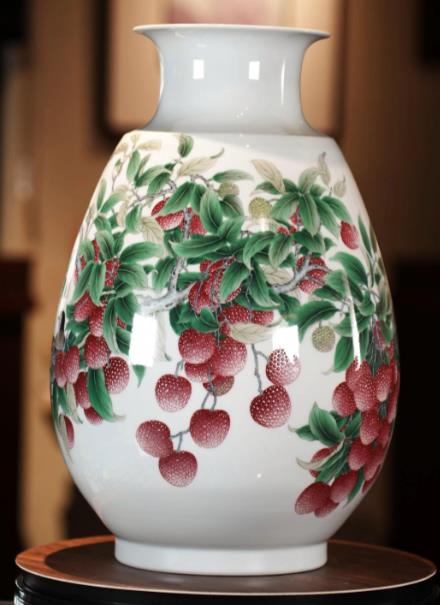
Chinese ceramic colors are often not flat or single-toned.
You can look for:
- Whether the glaze is green, white, blue, red, or black
- Whether the surface is smooth, warm, cracked, or spotted
- Whether the color changes in depth or brightness
- Whether it has a jade-like softness and glow
Many Chinese porcelains aim for a “jade-like” quality: warm, gentle, and not overly bright.
Notice the Patterns and Their Meanings
If the ceramic has decoration, try to observe the motifs.
Lotus, peony, dragon, phoenix, landscape, cloud, and scrolling flower patterns may all carry meanings related to nature, good fortune, or cultural ideals.
You do not need to understand every symbol at first. Simply noticing the beauty of the pattern is already a good way to begin.
Learn Which Type It Belongs To
If you know whether a piece is blue-and-white porcelain, celadon, white porcelain, colorful porcelain, or purple clay pottery, it becomes easier to understand its style.
For example:
- Blue-and-white porcelain: white background with blue decoration; classic and bold
- Celadon: warm greenish glaze; subtle and refined
- White porcelain: clean and elegant; often highlighting shape and form
- Colorful porcelain: rich in color and strong in decorative effect
- Purple clay pottery: often used for tea ware, with a natural and unpolished texture
Why Chinese Ceramics Deserve Global Attention
Chinese ceramics are a remarkable art form that brings together natural materials and human wisdom.
They begin with ordinary clay, pass through human hands and the heat of the kiln, and finally become objects that are both useful and beautiful. They carry the warmth of daily life and the height of artistic achievement. They belong to China, but they are appreciated by the world.
For global audiences, Chinese ceramics offer a wonderful window into Chinese culture. Through them, people can feel the Chinese respect for nature, love of daily life, attention to detail, and long-standing pursuit of beauty.



There are no comments yet, come and comment~