Chinese Calligraphy, known in Chinese as Shufa, is one of the most representative and respected traditional arts in China. At first glance, it may look like simply “writing Chinese characters.” However, it is much more than that.
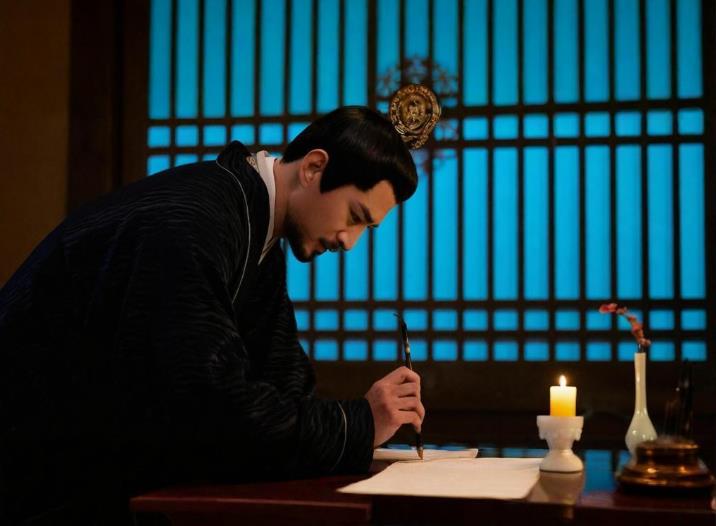
Calligraphy uses a brush, ink, paper, and an inkstone to express the shape, structure, and spirit of Chinese characters. It turns written words into visual art.
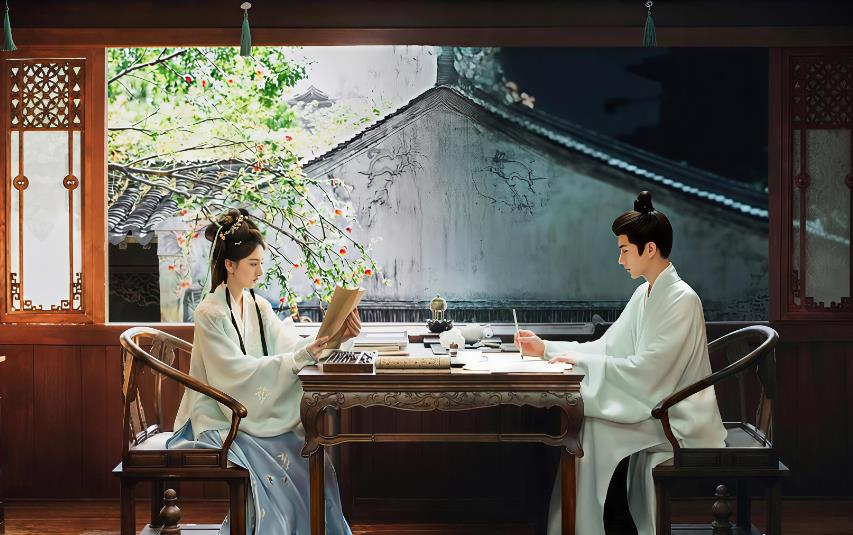
For Chinese people, calligraphy is both a cultural tradition and a way of self-cultivation. When a person practices calligraphy, they must calm their mind, control their breathing, and guide the brush with care. A good piece of calligraphy is not just neat writing; it carries rhythm, energy, and the personality of the writer.
If Peking Opera is the art of “listening” in Chinese culture, calligraphy is the art of “seeing.” It is quiet, yet powerful. It looks simple, but it is deeply meaningful.
What Is Chinese Calligraphy?
More Than Just “Beautiful Writing”
Many people first see Chinese calligraphy and think of it as a kind of decorative writing. In reality, it is much richer than that.
Chinese characters already have their own structure, strokes, and writing order. Calligraphy builds on these rules and adds the writer’s emotion, temperament, and sense of beauty. The same character can look very different when written by different people: some versions may feel strong and bold, some may feel elegant and gentle, and others may feel free and flowing.
So, Chinese calligraphy can be understood as the art of expressing the beauty of Chinese characters through a brush.
Why Is Calligraphy Important?
In traditional Chinese culture, calligraphy has always held a high position. It is often connected with painting, poetry, and seal carving. Together, these arts formed the cultural world of Chinese scholars.
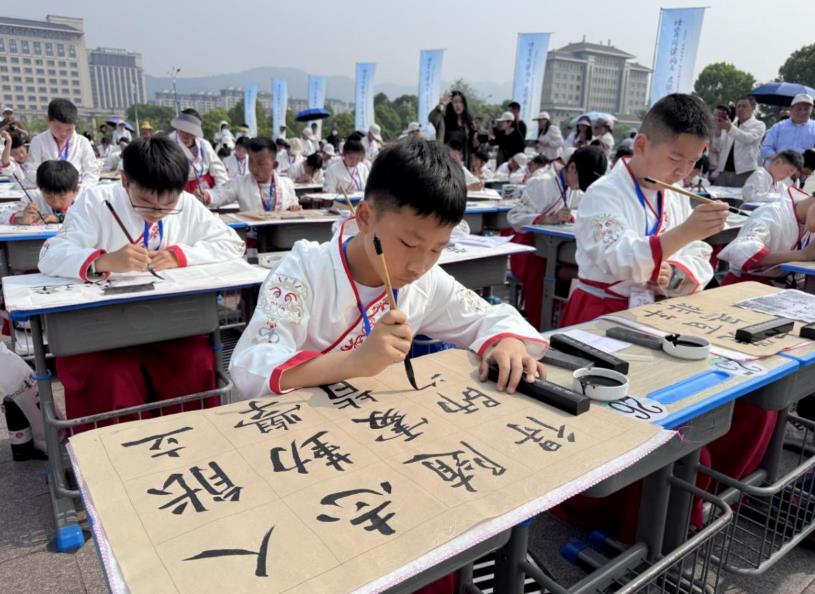
In the past, educated people studied calligraphy not only to write beautifully, but also to train their minds. The process of writing requires focus, patience, and steadiness. In this way, calligraphy becomes a form of spiritual practice.
For foreign audiences, calligraphy is a good window into Chinese culture. Through it, people can see how Chinese tradition understands writing, beauty, nature, and the inner self.
The Basic Tools: The Four Treasures of the Study
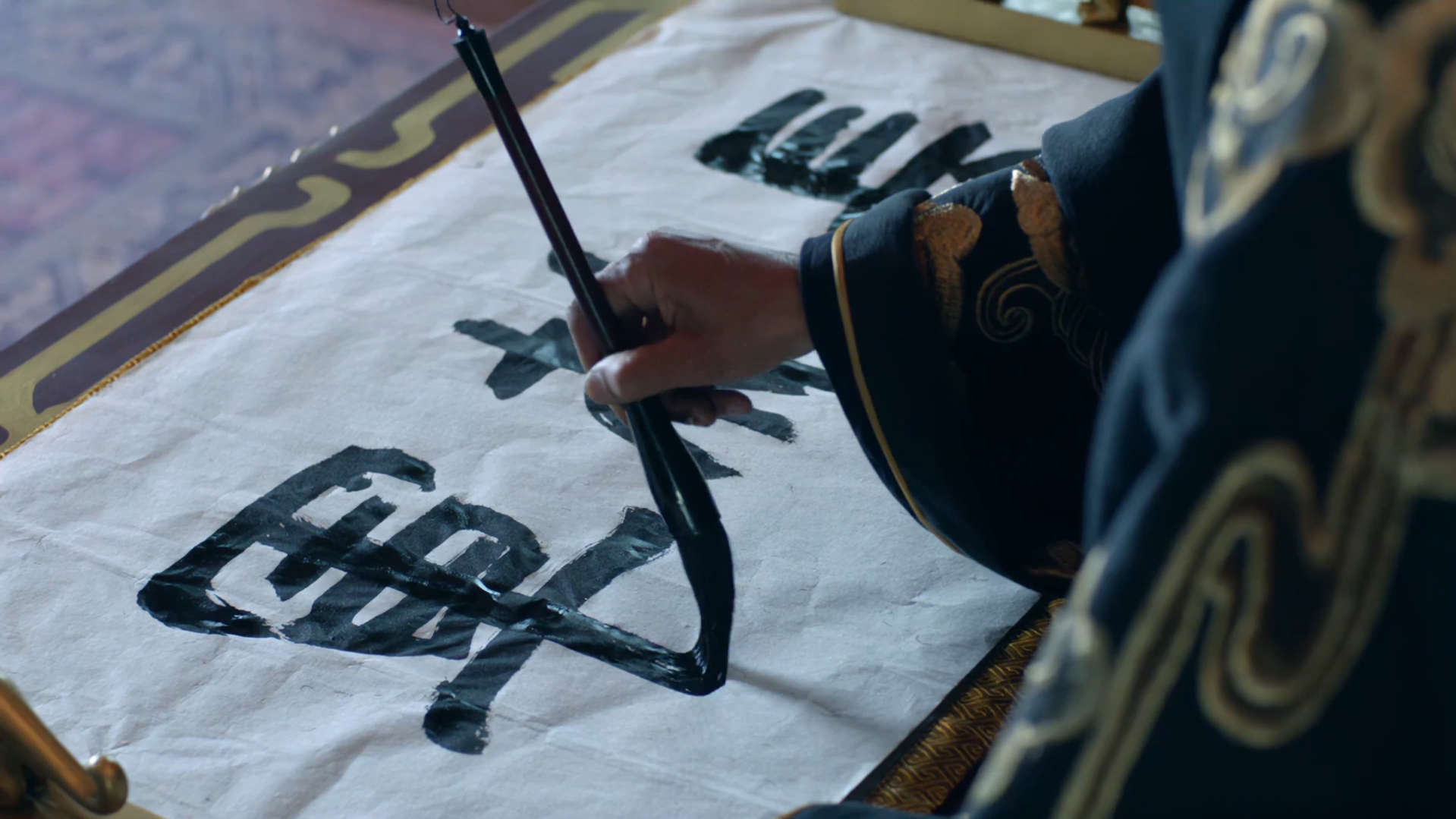
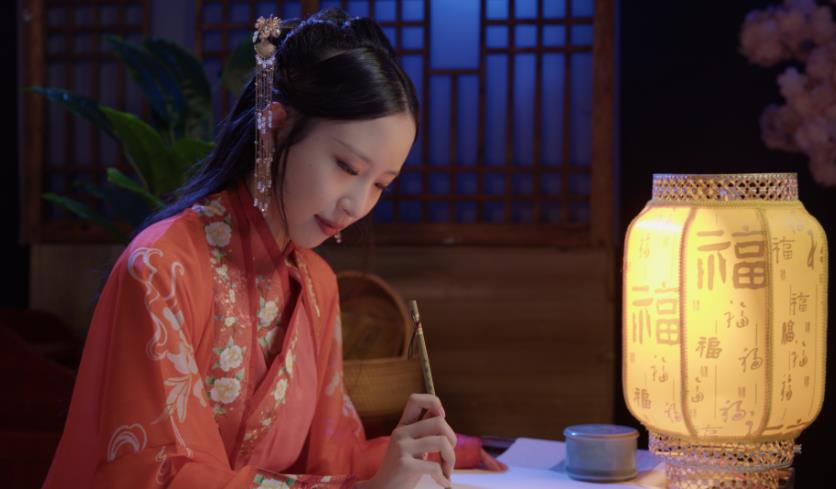
Chinese calligraphy depends on four essential tools, traditionally called the Four Treasures of the Study.
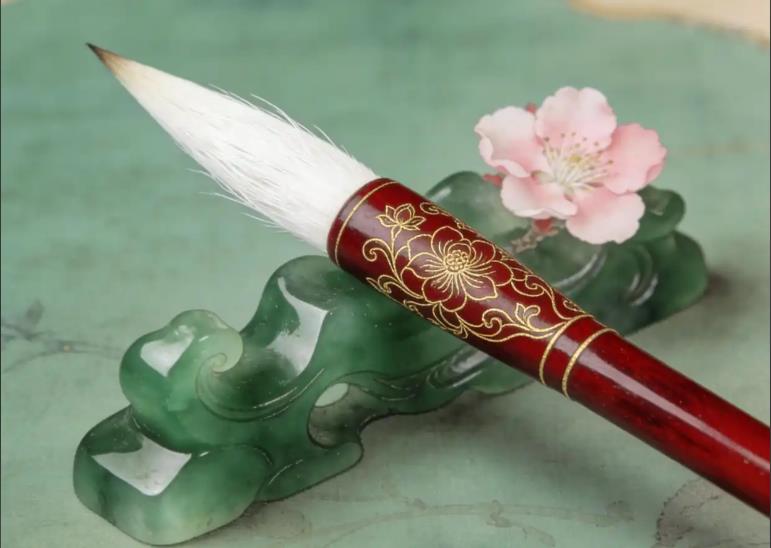
The Brush
The brush is the most important tool in calligraphy. It is usually made of a bamboo handle and animal hair.
The brush is soft and flexible. By lifting, pressing, turning, or pausing the brush, a writer can create lines of different thickness, weight, speed, and texture.
This is one of the most charming parts of calligraphy: a soft brush can create lines full of strength.
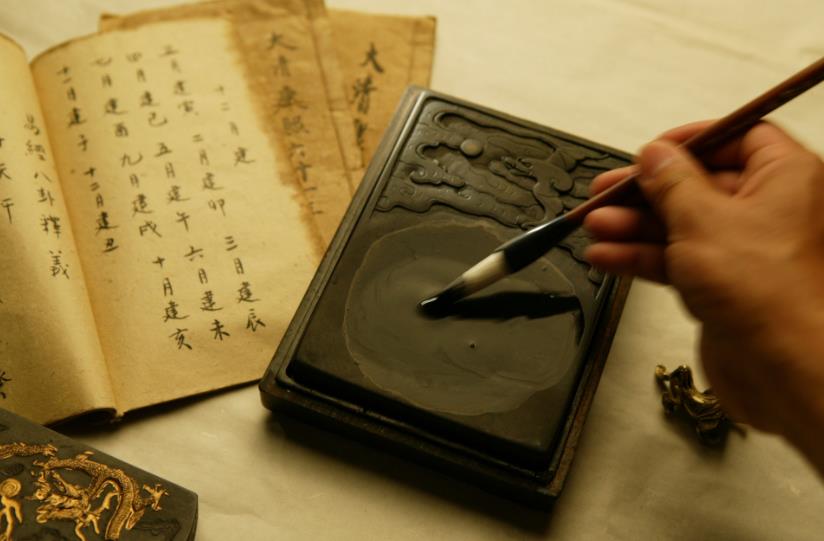
The Ink
Traditional calligraphy often uses an ink stick. The writer grinds the ink stick with water on an inkstone to produce liquid ink. Today, many people also use ready-made bottled ink.
Ink is not just plain black. Good calligraphy can show changes between thick and thin, wet and dry, dark and light. These changes give the artwork more depth.
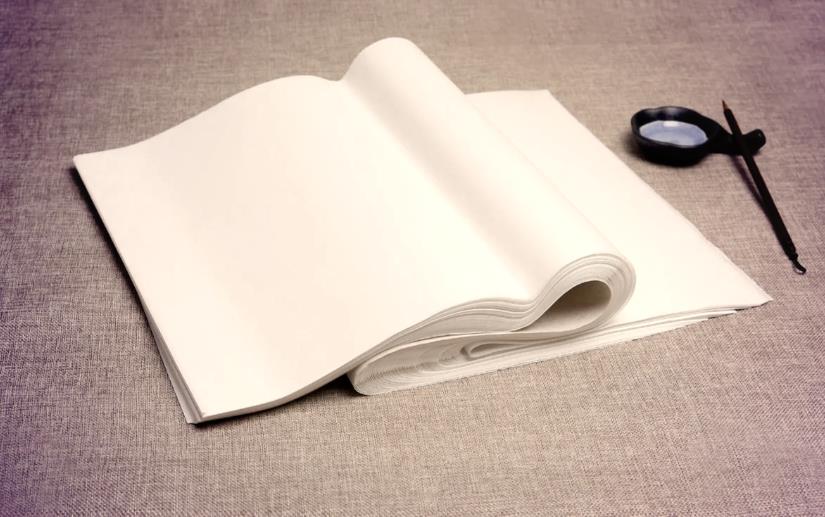
The Paper
The most common paper for calligraphy is Xuan paper, a special kind of rice paper. Xuan paper absorbs ink well and can clearly show the movement of the brush and the texture of the ink.
Different types of Xuan paper are suitable for different styles. Some are better for large characters, while others work well for small characters. Beginners can also start with ordinary practice paper.
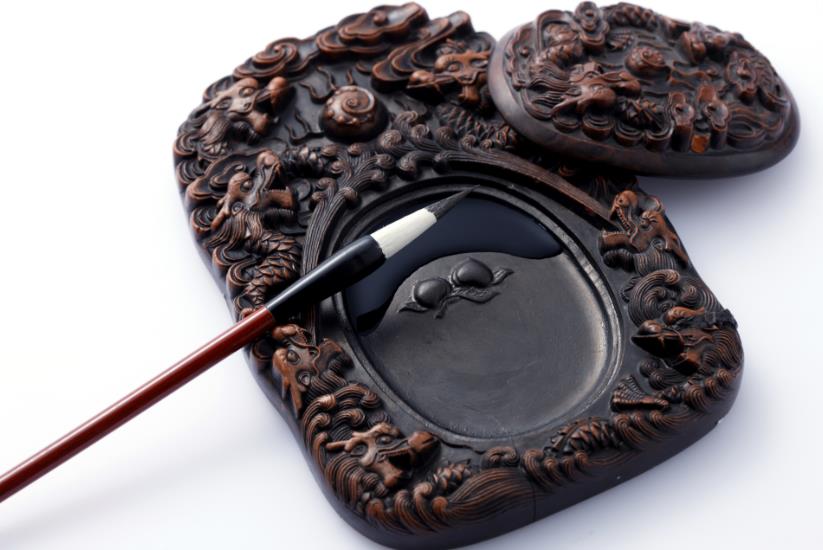
The Inkstone
The inkstone is used to grind the ink stick and hold the ink. Traditional inkstones are often made of stone and valued for their material, craftsmanship, and feel.
Today, the inkstone is not only a practical tool but also a cultural object appreciated by collectors.
The Five Main Calligraphy Styles
Over thousands of years, Chinese calligraphy developed several major writing styles. For beginners, the five most important styles are:
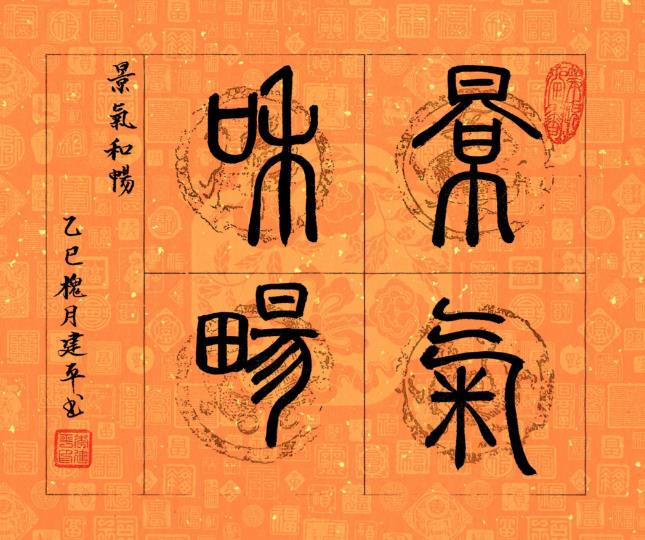
Seal Script: Ancient and Dignified
Seal Script is one of the older Chinese writing styles. Its characters often look rounded, balanced, and ancient.
It is still used today in seals, name stamps, decorative titles, and traditional designs. Foreign viewers may find Seal Script difficult to read, but its lines have a strong decorative beauty.
Clerical Script: Steady and Graceful
Clerical Script is easier to recognize than Seal Script. Its strokes often have a distinctive wave-like shape, and the characters usually look wider and more open.
Clerical Script feels calm, elegant, and classical. It represents an important stage in the development of Chinese characters.
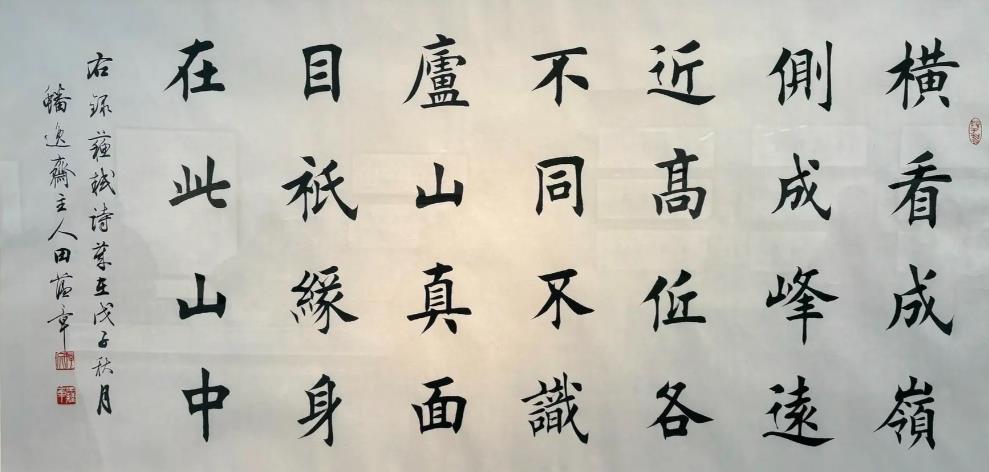
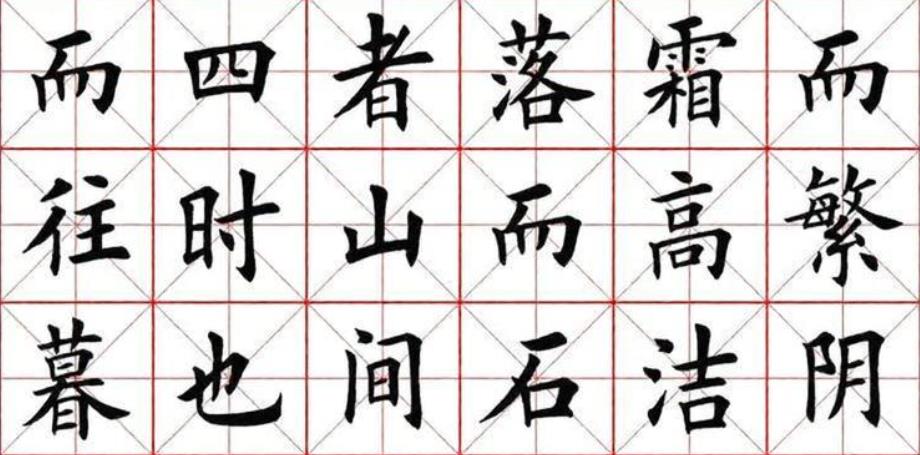
Regular Script: Clear and Standard
Regular Script is the most standard and widely recognized style in modern Chinese writing. Its characters are upright, clear, and easy to read.
If a foreign learner wants to begin understanding Chinese calligraphy, Regular Script is usually the best starting point. Many textbooks, signs, and printed Chinese characters are based on this style.
Running Script: Flowing and Natural
Running Script sits between Regular Script and Cursive Script. It is faster than Regular Script but still easier to read than Cursive Script.
This style feels natural, lively, and personal. Many famous calligraphy works are written in Running Script because it allows the writer’s personality to show clearly.
Cursive Script: Free and Expressive
Cursive Script simplifies many strokes and often connects them in a flowing way. It can look very free, fast, and expressive.
It is usually not easy for beginners to read, but it has strong artistic power. When欣赏 Cursive Script, viewers do not need to recognize every character. Instead, they can enjoy its rhythm, movement, and energy.
The Beauty of Calligraphy: Why Chinese People Say “Writing Reflects the Person”
The Power of Lines
In calligraphy, lines are not just ink marks. They carry life.
Good calligraphic lines often have:
- Strength: the lines feel firm, not weak
- Rhythm: the writing shows changes of speed and pressure
- Variation: the strokes change between thick and thin, wet and dry
- Connection: the strokes feel related, not stiff or isolated
These qualities make calligraphy feel almost like music.
The Beauty of Structure
Chinese characters are not random arrangements of strokes. Each character has its own internal structure, such as left-right, top-bottom, or enclosing forms.
Calligraphy pays close attention to balance and proportion. A well-written character should feel stable without being stiff, and lively without being messy.
The Spirit of the Whole Work
A calligraphy piece is not judged only by individual characters. The whole layout matters too. The spacing between characters, the flow of lines, and the overall rhythm all create the feeling of the work.
Chinese tradition often says, “The writing reflects the person.” This means a calligraphy work can reveal the writer’s character, mood, and inner spirit.
A calm person may write in a steady way. A bold person may write with strong energy. A delicate person may create elegant, refined lines.
Of course, this does not mean beautiful writing always proves good character. It simply means calligraphy can express the writer’s state of mind.
The Cultural Meaning of Calligraphy
It Is Both Writing and Art
In many cultures, writing is mainly used to record information. In China, writing itself can become art.
Calligraphy turns Chinese characters into objects of beauty. People appreciate calligraphy in a way similar to how they appreciate painting, music, or dance.
It Is a Practice of Mind and Life
Traditional Chinese scholars often made calligraphy part of their daily life. Reading, writing poetry, painting, and practicing calligraphy were closely connected.
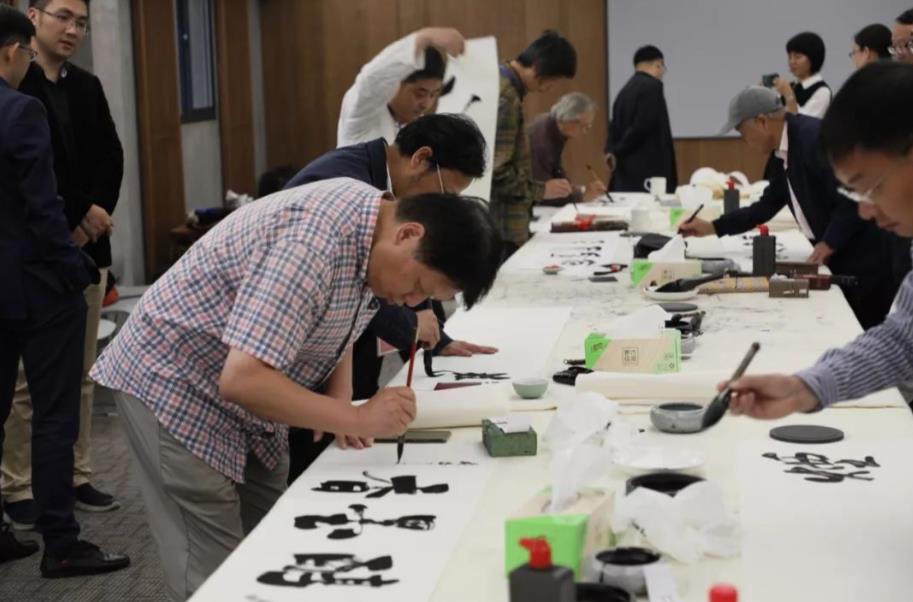
Writing calligraphy requires quietness, focus, and patience. This process can help people slow down, breathe more deeply, and find inner balance.
Today, many Chinese people still practice calligraphy not to become famous artists, but to relax, develop aesthetic taste, and stay connected with traditional culture.
It Connects Past and Present
Chinese calligraphy has thousands of years of history. Different calligraphy works from different periods show how Chinese characters changed over time. They also reflect the culture, values, and artistic taste of their eras.
Looking at a piece of calligraphy is like looking at a piece of living history. Through brush and ink, the thoughts and feelings of the past continue to speak today.
How Can Foreign Audiences Appreciate Chinese Calligraphy?
You do not need professional knowledge to enjoy calligraphy. Here are a few simple ways to begin.
Feel the Overall Mood First
When you look at a calligraphy work, do not rush to read every character. First, notice the general feeling:
- Does it feel calm or energetic?
- Does it look formal or free?
- Does it feel light and elegant, or heavy and powerful?
- Does it look neat and ordered, or wild and expressive?
This first impression is important.
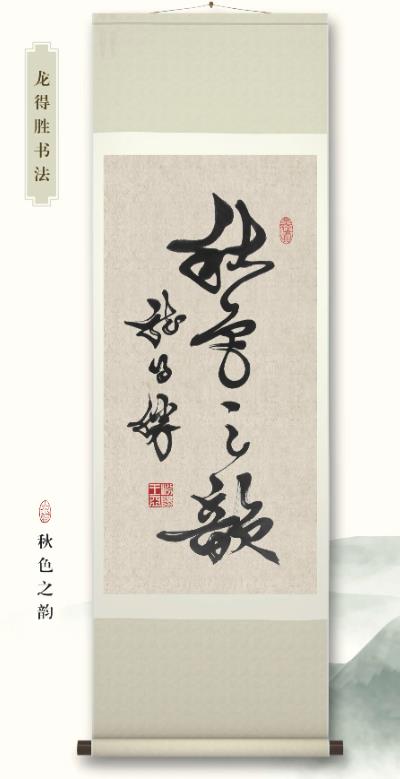
Look at the Strokes and Ink
Next, observe the details:
- Where are the lines thick or thin?
- Where does the brush move fast or slow?
- Is the ink dark, light, wet, or dry?
- Are there special brush effects, such as flying white or dry brush marks?
These details are where much of the art lies.
Learn the Basic Styles
If you know whether a work is written in Regular Script, Running Script, Cursive Script, Clerical Script, or Seal Script, it becomes easier to understand its style.
Generally:
- Regular Script: clear and standard
- Running Script: smooth and natural
- Cursive Script: free and expressive
- Clerical Script: classical and graceful
- Seal Script: ancient and decorative
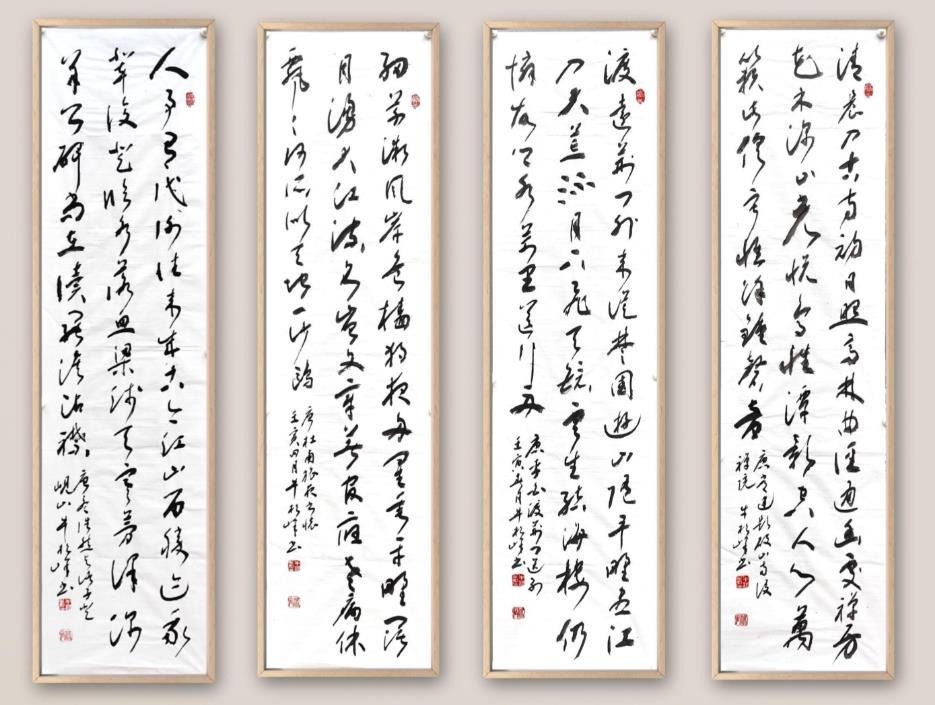
You Do Not Need to Read Every Character
For foreign viewers, Chinese characters may feel unfamiliar. That is completely normal.
You can first appreciate calligraphy as visual art. Enjoy the lines, structure, rhythm, and ink effects. If you become curious, you can later learn the meaning of the characters.
Why Chinese Calligraphy Deserves Global Attention
Chinese calligraphy is a unique Eastern art. It brings together language, writing, beauty, philosophy, and personal expression.
Unlike Western painting, which often describes the outside world, calligraphy uses simple black ink and white paper to express the inner world. It looks quiet, but it is full of energy. It looks simple, but it contains endless variation.
For global audiences, calligraphy is a wonderful way to understand Chinese culture. Through it, people can feel the Chinese respect for writing, the appreciation of nature, the value placed on inner cultivation, and the special beauty of traditional art.
Final Thoughts
Chinese calligraphy is not simply “writing characters.” It is an art that uses the brush to reveal the beauty of Chinese writing. With the Four Treasures of the Study as its tools, and Seal, Clerical, Regular, Running, and Cursive scripts as its main styles, it expresses beauty through line, structure, ink, and spirit.
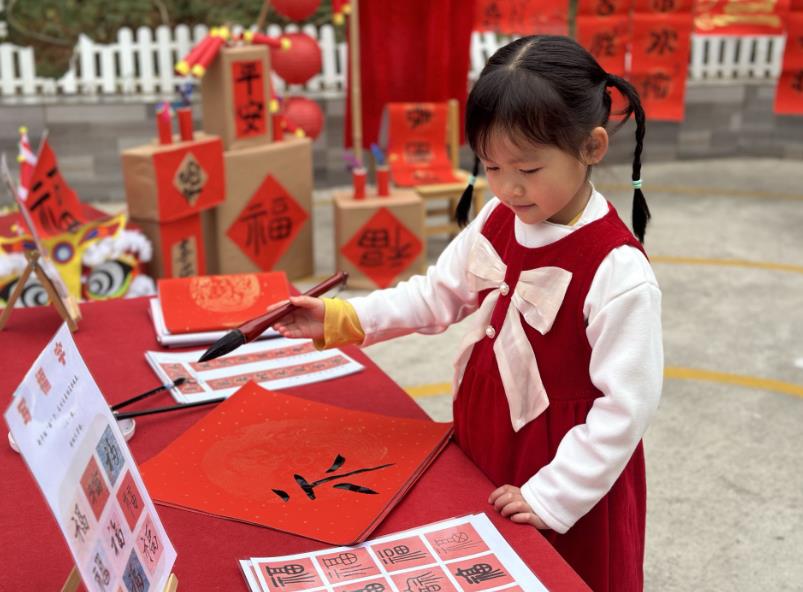
It is ancient, yet still alive today. It belongs to China, but it can be appreciated by the world. For foreign audiences, calligraphy is a quiet but powerful doorway into traditional Chinese culture. Once you pause and look closely, you can discover the unique charm of Eastern art within those simple black lines.



There are no comments yet, come and comment~