
Many people think feng shui requires complicated rituals, special tools, or expert consultation. In reality, the most useful feng shui principles are quite simple. They are about arranging your space so that it feels orderly, comfortable, and supportive.
This guide focuses on practical steps you can apply at home and in the office, without needing professional training.
Start with Clutter
In feng shui, clutter is seen as stagnant energy. When a space is crowded with unused items, it can feel heavy and distracting.
You do not need to clear everything at once. Start with one area:
- A desk covered with old papers
- A drawer full of things you no longer use
- A hallway blocked by shoes or bags
- A corner where broken items have been stored
Removing clutter does not guarantee wealth or luck, but it often makes a space feel lighter and easier to think in. That alone is a good beginning.
Feng Shui Tips for the Home
The Entrance
The entrance is considered an important area because it is where people enter your home. Keep it clean, well lit, and free of obstacles. If the entryway feels dark or blocked, it can set a tense tone for the rest of the home.
The Living Room
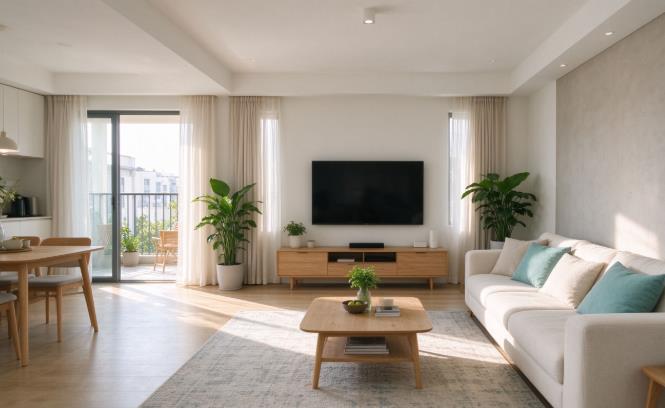
The living room is usually a shared space for family and guests. Arrange seating so people can face each other comfortably. A room where everyone is turned away from one another can feel disconnected.
Natural light, fresh air, and a few healthy plants can help a living room feel more welcoming.
The Bedroom
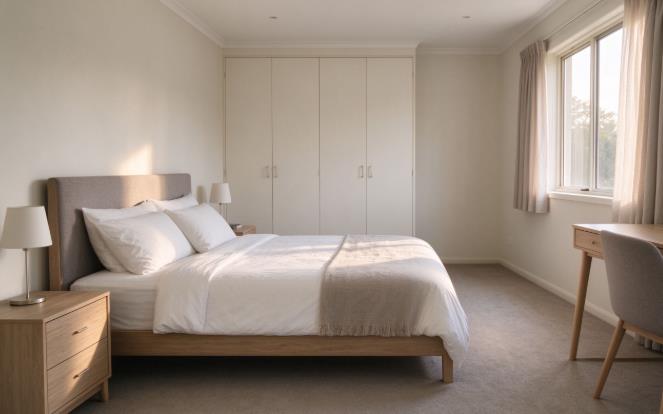
The bedroom is associated with rest. In feng shui, it is best to keep the bedroom calm and simple.
A few common suggestions are:
- Place the bed where you can see the door, but not directly in line with it.
- Avoid placing the bed under a heavy beam or directly below a sloped ceiling if it makes you feel uncomfortable.
- Keep electronics to a minimum, especially near the head of the bed.
- Choose soft lighting in the evening.
These ideas are not strict rules. They are meant to help the bedroom feel like a place of rest rather than stimulation.
The Kitchen
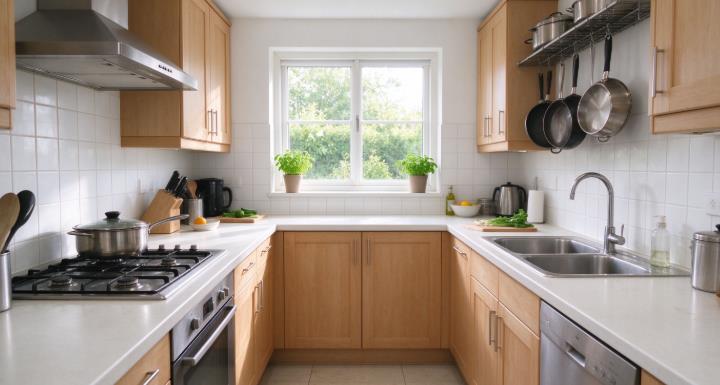
The kitchen is linked with nourishment. A clean stove, organized shelves, and fresh food can make the space feel more supportive.
If the kitchen feels chaotic, start small. Clear expired items, wipe surfaces, and make sure basic tools are easy to reach.
Feng Shui Tips for the Office
Desk Placement
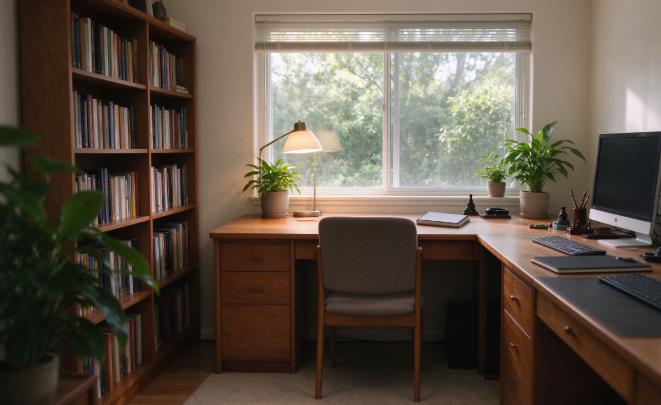
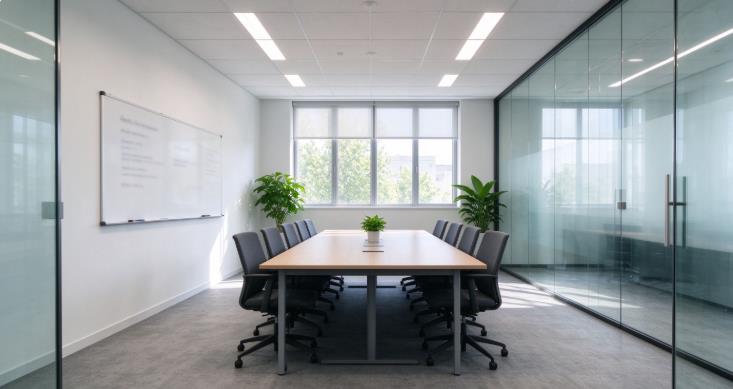
Your desk position matters more than many small decorations. Ideally, you should be able to see the entrance to the room without sitting directly in front of it. This is sometimes called the “command position.”
If your back faces the door, it can feel unsettling. If possible, adjust the desk or use a mirror to expand your view.
Keep the Desk Clear
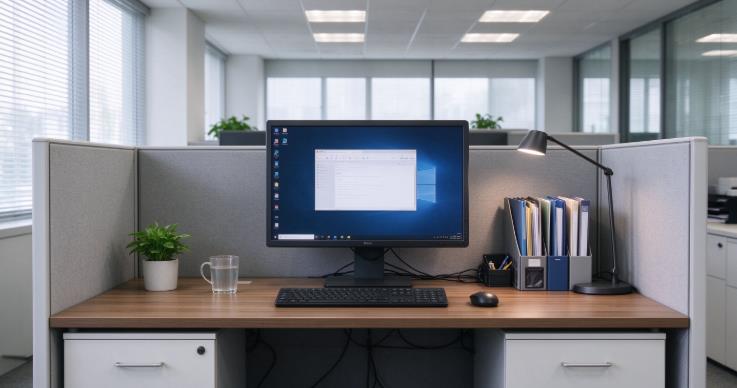
A crowded desk can make work feel more stressful. Try to keep only what you are currently using on the surface. Files, notebooks, and tools can be stored neatly when not in use.
Add Some Life
A small plant, natural light, or a simple piece of art can make an office feel less sterile. You do not need many objects. One or two meaningful items are enough.
Separate Work and Rest
If you work from home, try to keep your work area distinct from your rest area. When work materials spread into the bedroom or dining space, it can become harder to relax.
The Five Elements in Everyday Spaces
The five elements—wood, fire, earth, metal, and water—can be used as a simple design guide.
- Wood can be represented by plants or wooden furniture.
- Fire can be represented by light, candles, or warm colors.
- Earth can be represented by ceramics, stone, or neutral tones.
- Metal can be represented by metal frames, white or gray tones, or simple shapes.
- Water can be represented by mirrors, dark colors, or flowing shapes.
You do not need all five elements in every room. The goal is balance, not decoration overload. If a room already feels comfortable, it probably does not need major changes.
Mirrors, Colors, and Plants
Mirrors
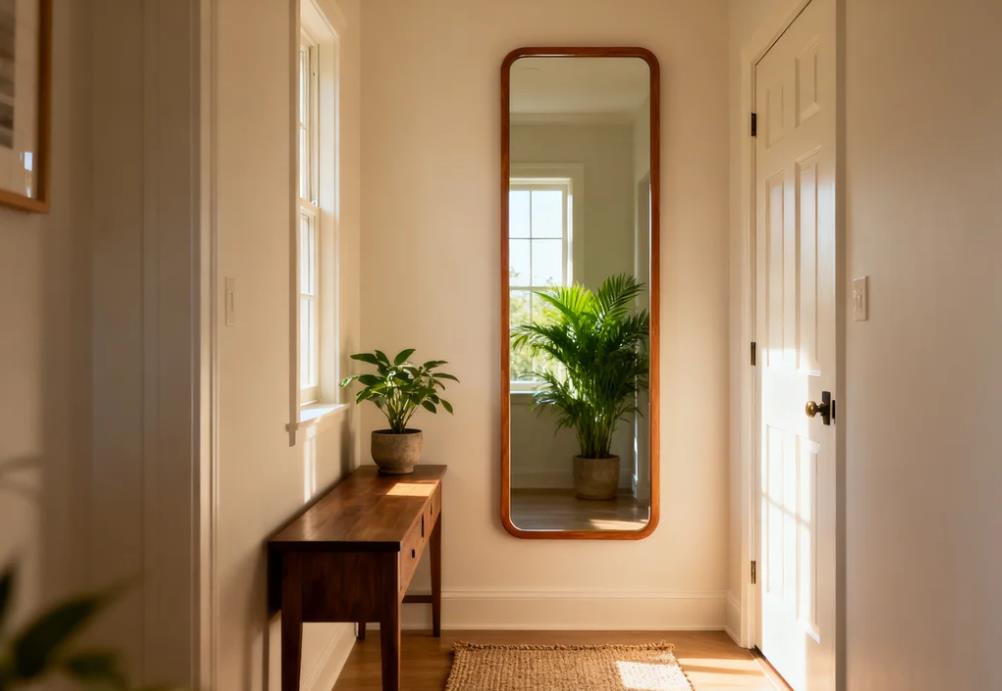
Mirrors can make a space feel larger and brighter. In feng shui, they are often used to expand light or view. However, avoid placing mirrors where they create constant distraction, such as directly facing a desk where you are trying to focus.
Colors
Color choices should match the function of the room. Bedrooms usually benefit from softer, calmer colors. Workspaces can use clearer, brighter tones to support focus. There is no single “best” color for everyone.
Plants
Plants are one of the easiest ways to bring life into a space. Choose plants that are easy to care for. Dying or neglected plants can make a room feel less cared for, so keep them healthy or choose simple artificial greenery if necessary.
What Feng Shui Cannot Do
Feng shui cannot replace practical decisions. It will not fix a poorly paid job, an unsafe home, or a difficult relationship by itself.
It is best understood as a way of paying attention to your environment. A well-arranged space can support mood, focus, and comfort, but it works alongside real-life action.
A Simple Checklist
- Clear one cluttered area this week.
- Make sure your entrance is clean and well lit.
- Adjust your desk so you can see the door comfortably.
- Keep your bedroom calm and restful.
- Add one plant or natural element to your main living space.
- Notice how small changes affect how you feel in the room.
Feng shui does not have to be mysterious. At its most practical level, it is about creating spaces that help you breathe, rest, work, and live with more ease.



There are no comments yet, come and comment~