Yin and yang are among the most recognizable ideas from Chinese culture. Many people have seen the yin-yang symbol, but they may not know what it originally means. Yin and yang are not simply “good and bad” or “two opposite sides.” They describe how things change, relate to each other, and find balance.
In Taoist thought, yin and yang help explain nature, the body, society, and daily life.
What yin and yang mean
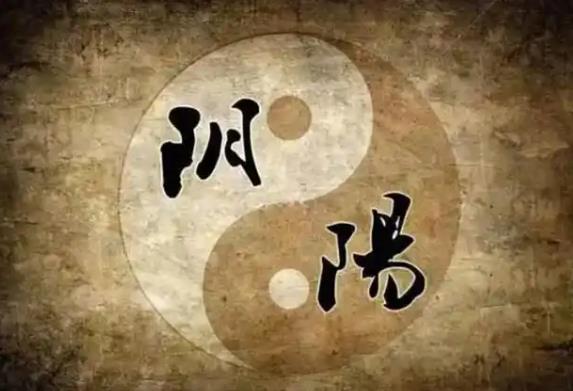
Yin and yang are two complementary forces that depend on and transform into each other. They are not completely separate, and they are not fixed.
These pairs are not moral judgments. Yin is not bad, and yang is not better. Taoism focuses on balance and transformation between them.
Yin and yang are not fixed opposites
Yin and yang are not enemies. They rely on each other. Without night, there is no day. Without stillness, movement has no contrast. Without coolness, warmth cannot be felt.
The small dots in the yin-yang symbol are also important. Yin contains yang, and yang contains yin. This shows that nothing is purely one thing. Every state carries the possibility of change.

Yin, yang, and Taoism
Taoism values nature, balance, and change. Yin and yang express this worldview well.
Day turns into night. Summer turns into autumn. Strength may give way to decline. Softness may contain new growth. If people pursue only one extreme—such as constant speed, control, or success—they may lose balance.
Taoism encourages observing natural rhythms instead of forcing one state to last forever.

Yin and yang in Chinese medicine
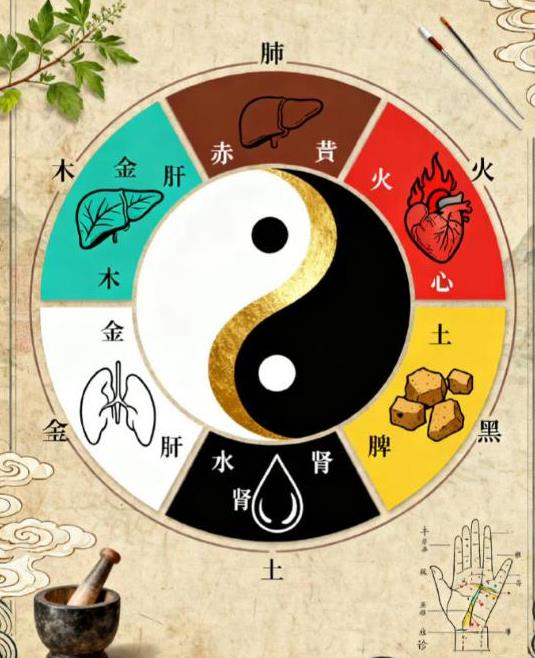
Traditional Chinese medicine is strongly influenced by yin-yang thought. Health is seen as a relative balance among different forces in the body.
- Overwork may weaken the body
- Long exposure to cold may affect circulation
- Strong emotions may disturb mind and body
- Rest and activity should be balanced
Chinese medicine does not treat yin or yang as inherently harmful. The focus is whether they are in balance.
Yin and yang in food culture
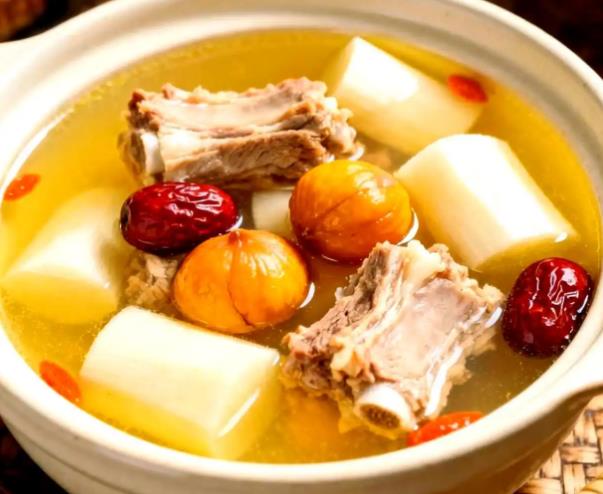
Chinese food culture also uses yin-yang ideas. Foods are often described as cooling, warming, hot, or cool.
- Lighter, cooling foods may suit summer
- Warmer, nourishing foods may suit winter
- People with a cold constitution may avoid too many cooling foods
- People with a hot constitution may avoid too many heating foods
This is not a strict rule for everyone. It is a reminder to adjust eating habits according to season, body, and condition.
Yin and yang in martial arts
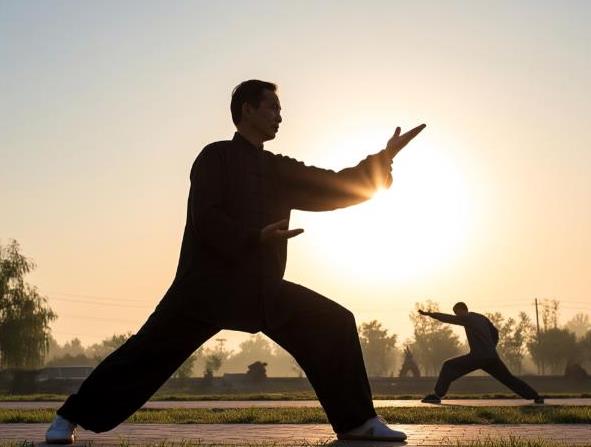
Tai chi is a clear example of yin-yang practice. It combines softness and strength, stillness and movement, receiving and redirecting. Instead of meeting force with force, it uses relaxation, balance, and flow.
This kind of training develops both the body and the sense of rhythm.
Yin and yang in daily life
Yin-yang thinking can help people reflect on balance in modern life.
- Work and rest
- Effort and acceptance
- Speaking and listening
- Planning and flexibility
- Strength and softness
It reminds us that life is not about staying in one state forever. It is about finding the right rhythm as conditions change.
Common misunderstandings
Misunderstanding 1: Yin is bad, yang is good
Yin and yang are not moral labels. Both are necessary. Balance matters more than choosing one side.
Misunderstanding 2: Yin and yang are superstition
Yin-yang ideas have been used in feng shui and divination, but they began as a way of thinking about change and relationship. They should not be reduced to superstition.
Misunderstanding 3: Yin and yang are just black and white
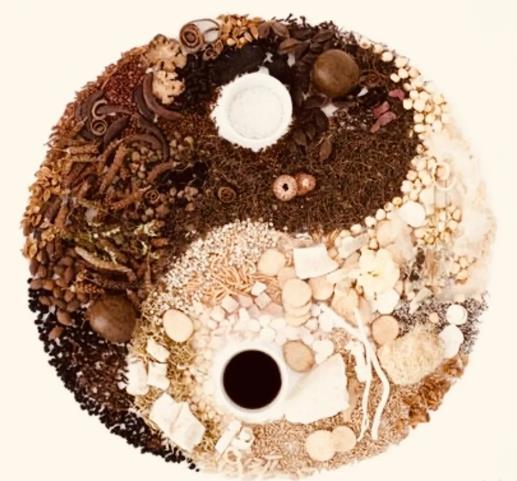
Black and white are symbolic. Yin and yang describe dynamic relationships, not colors.
Misunderstanding 4: Balance means fifty-fifty
Balance does not always mean equal parts. The right proportion depends on time, context, and personal condition.
Frequently asked questions
Do yin and yang come from Taoism?
Yin-yang ideas existed before some Taoist texts, but Taoism helped shape their development. Later, they influenced Chinese medicine, martial arts, feng shui, and daily life.
Are yin-yang and the Five Elements the same?
No. Yin-yang describes two complementary forces. The Five Elements include wood, fire, earth, metal, and water. They are often used together in Chinese thought, but they are different concepts.



There are no comments yet, come and comment~