
If you are new to Chinese cooking, the hardest part is often not the recipe itself, but knowing what to keep in your kitchen. Many beginners ask: Do I need every Chinese sauce? Can I cook Chinese food without a wok or steamer? The answer is no. You do not need a fully stocked Chinese pantry on day one. A small set of core ingredients and tools is enough to cook most home-style dishes.
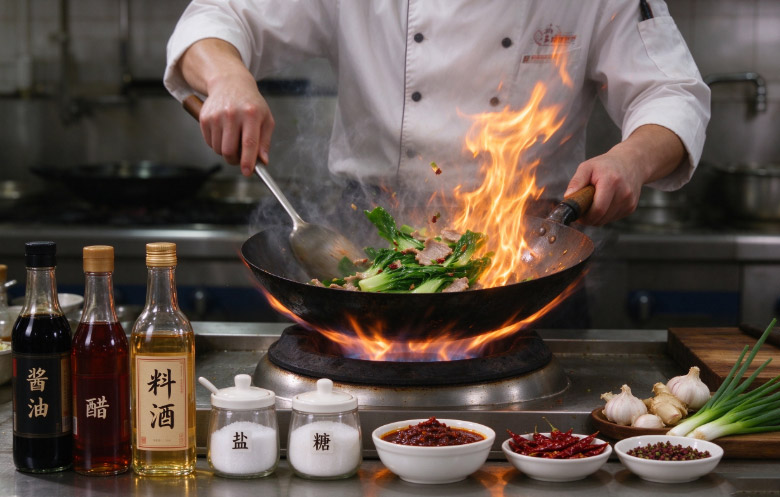
This guide covers the essential Chinese cooking ingredients, basic kitchen tools, practical substitutions, storage tips, and common beginner mistakes. It is designed for home cooks who are building their first Chinese kitchen.
Core Chinese pantry ingredients
Chinese home cooking relies on a few foundational seasonings. Instead of buying dozens of sauces at once, start with these categories.
Soy sauce
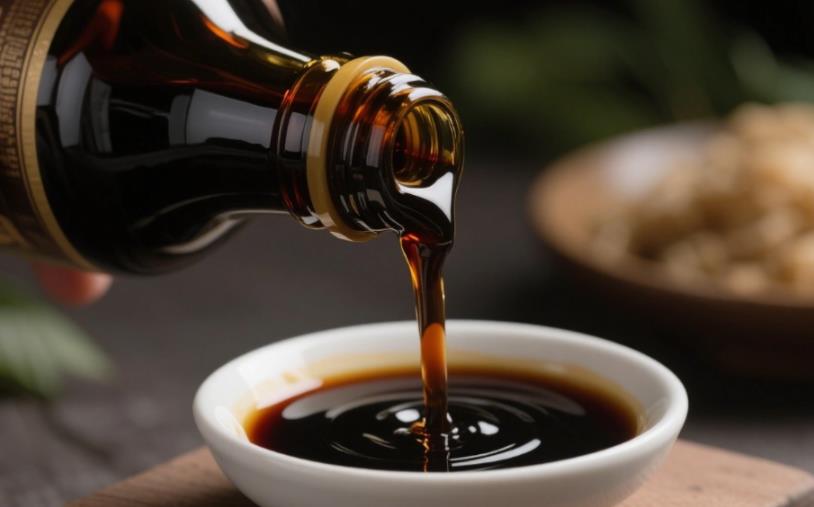
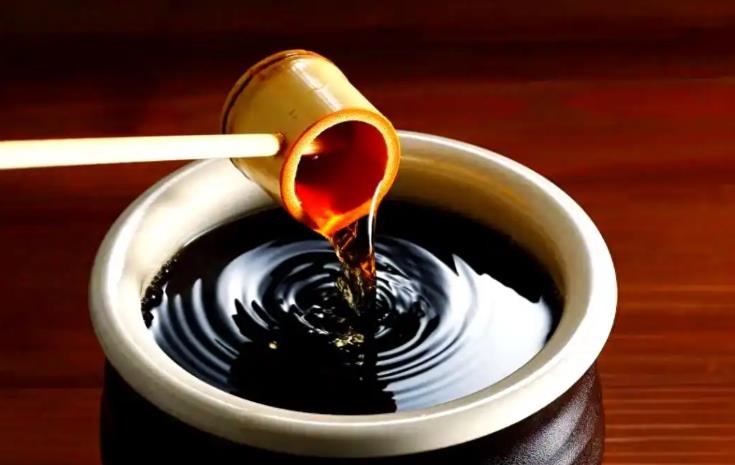
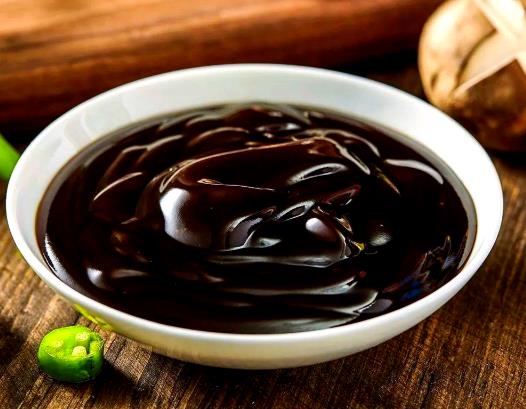
Soy sauce is one of the most important Chinese condiments. The two main types are light soy sauce and dark soy sauce. Light soy sauce is saltier and thinner, used for stir-frying, seasoning, and dipping. Dark soy sauce is thicker, darker, and slightly sweeter, often used for braising and adding color.
Cooking oil
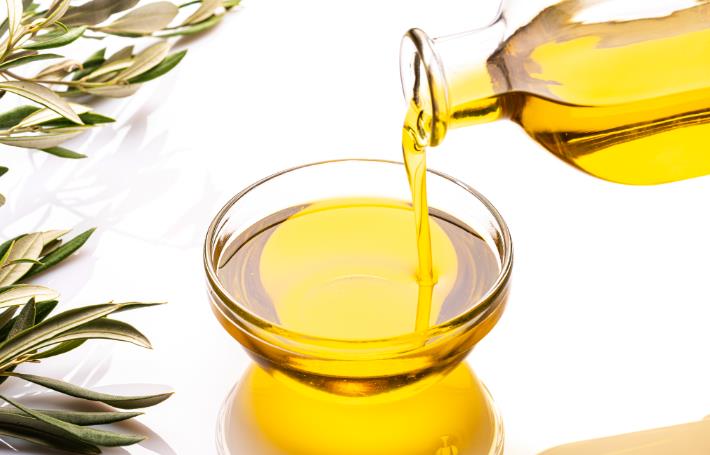
Chinese stir-frying usually uses neutral, high-heat oils such as peanut oil, rapeseed oil, or soybean oil. Sesame oil has a strong aroma, but it is typically added at the end of cooking rather than used for high-heat frying.
Rice, noodles, and starch
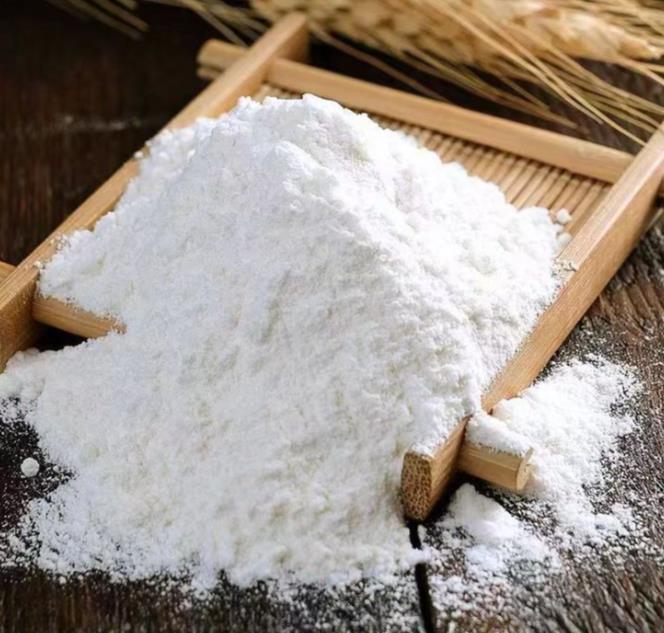
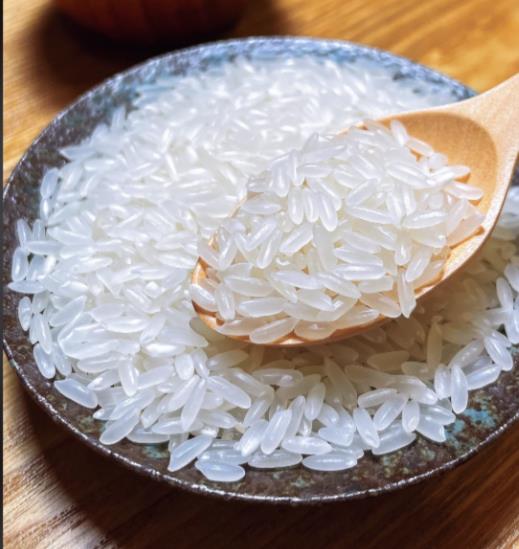
Rice is the staple of many Chinese meals. Noodles, dumpling wrappers, and wonton wrappers are also common. Cornstarch or potato starch is widely used for thickening sauces, marinating meat, and creating crisp coatings.
Vinegar
Chinese vinegar varies by region. Chinkiang vinegar has a rich, mellow flavor and works well with dumplings, cold dishes, and braises. Black vinegar is slightly softer and sweeter. Rice vinegar is lighter and suitable for dishes that need a gentle acidity.
Common spices and seasonings
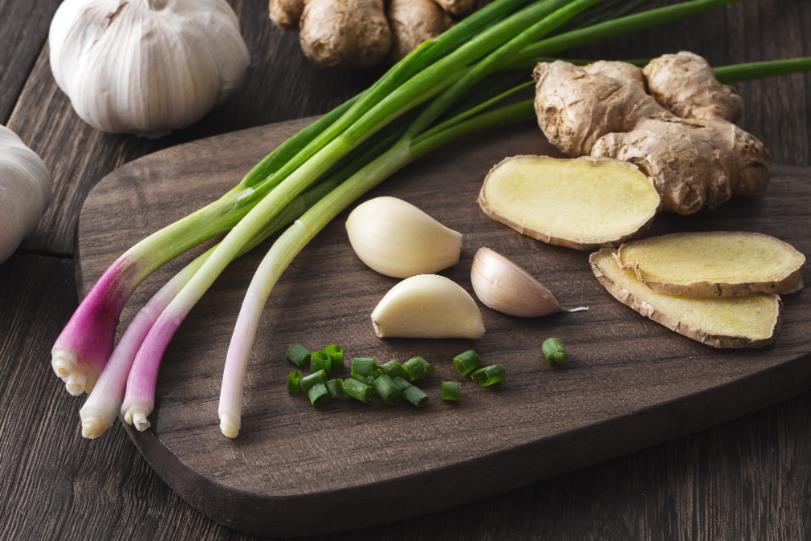
Ginger, garlic, and scallions form the basic aromatic trio in Chinese cooking. Dried chili peppers, Sichuan peppercorns, star anise, white pepper, and five-spice powder are also common. You do not need all of them at once; add them as your recipes require.
Essential Chinese kitchen tools
Chinese kitchen tools are relatively simple, but a few key items make cooking much easier.
Wok
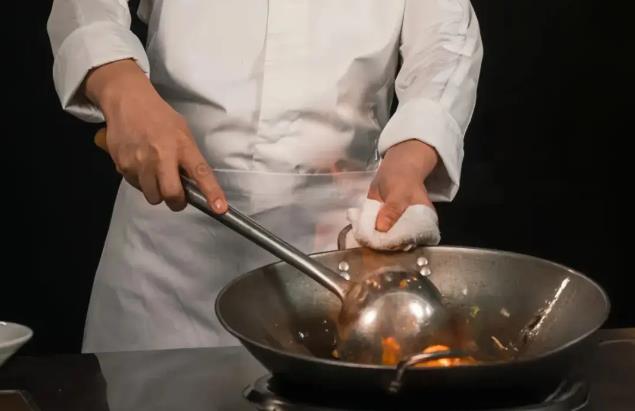
The wok is the most recognizable Chinese cooking tool. Traditional round-bottom woks work best with high heat, while flat-bottom woks or deep skillets are more practical for standard home stoves. Choose one based on your stove type, size needs, and maintenance comfort.
Spatula and ladle
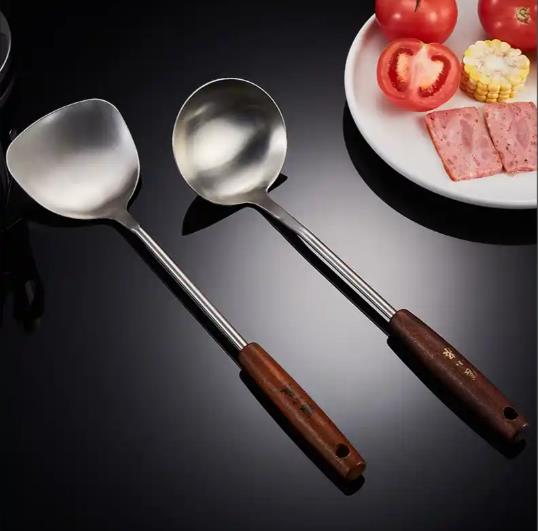
A wok spatula helps move food quickly during stir-frying. Metal spatulas work well with carbon steel or cast iron woks, while wooden or silicone spatulas are better for non-stick pans. A ladle is useful for soups, sauces, and serving.
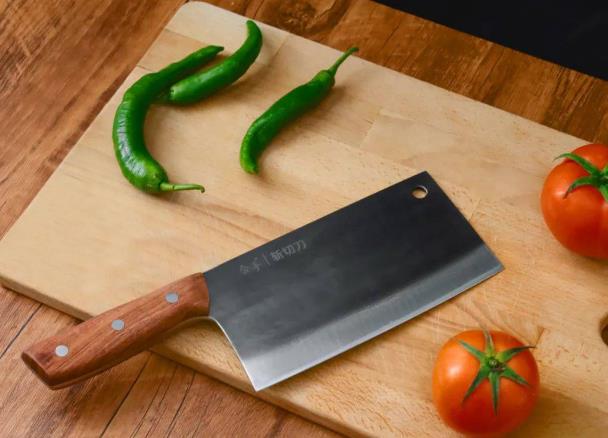
Chinese cleaver
A Chinese cleaver is heavier and broader than many Western knives. It is efficient for slicing, chopping, crushing garlic, and preparing vegetables. It is not mandatory, but it is very practical for Chinese-style prep.
Cutting board
Use at least one dedicated cutting board for raw meat, vegetables, and cooked foods. Keeping raw and cooked items separate is a common practice in Chinese home kitchens.
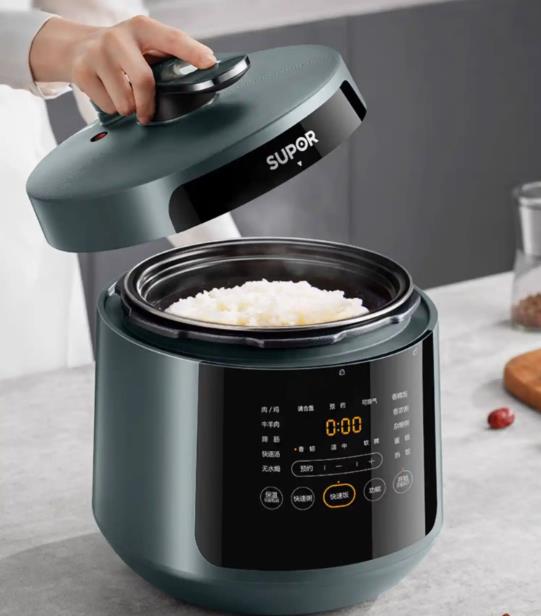
Rice cooker
Rice cookers are standard in Chinese households. They can cook rice, porridge, and steamed dishes, and keep food warm. For beginners, a rice cooker is one of the easiest tools to use.
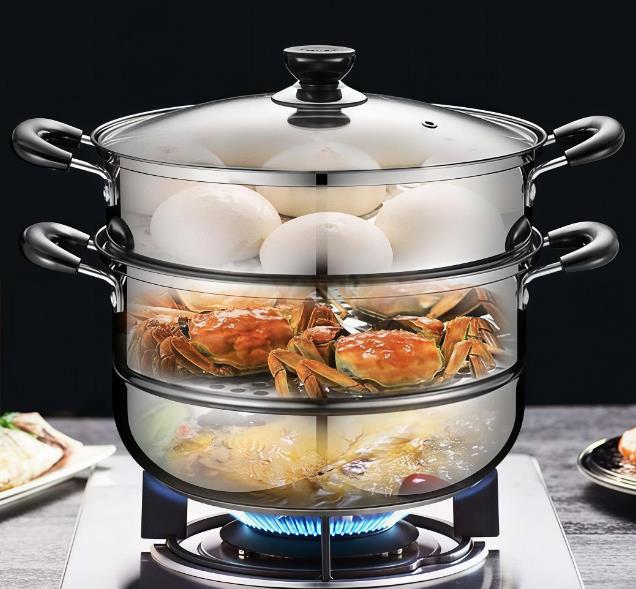
Steamer
Steaming is an important Chinese cooking method. You can use a bamboo steamer, metal steamer, or a steaming rack inside a pot. If you do not have a dedicated steamer, a deep pot with a rack can work.
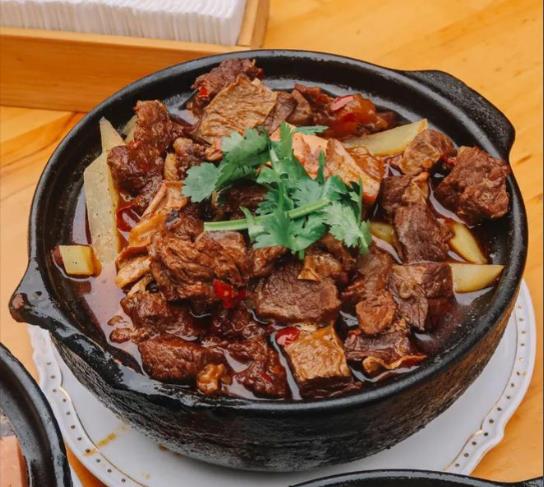
Clay pot and soup pot
Clay pots are good for braising, soups, and slow cooking because they retain heat well. A regular soup pot or Dutch oven can also handle most stews and soups.
Substitutions for Chinese ingredients and tools
If you do not have specialized Chinese equipment, you can often use what you already have.
| Chinese tool | Possible substitute | Best for |
|---|---|---|
| Round-bottom wok | Flat-bottom wok, deep skillet | Stir-frying |
| Chinese cleaver | Chef’s knife | Chopping and slicing |
| Bamboo steamer | Metal steaming rack | Steaming buns, fish |
| Clay pot | Heavy soup pot, Dutch oven | Braising and soups |
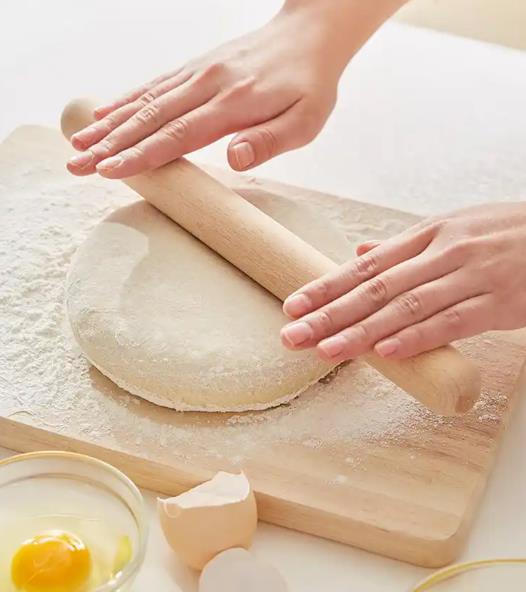
| Rolling pin | Clean bottle, cylindrical jar | Making wrappers |
Sauces can also be substituted flexibly. For example, Chinkiang vinegar can be replaced with black vinegar or rice vinegar; five-spice powder can be approximated with small amounts of star anise, cinnamon, and Sichuan pepper; and oyster sauce can be replaced with light soy sauce plus a little sugar, though the flavor will differ.
Shopping and storage tips for beginners
Start small. Prioritize light soy sauce, dark soy sauce, vinegar, cooking oil, cornstarch, sesame oil, rice, ginger, garlic, and scallions. Buy spices such as Sichuan peppercorns, star anise, and dried chili in small quantities.
Storage tips:
- Keep soy sauce and vinegar in a cool, dark place after opening
- Store sesame oil in a sealed bottle to preserve its aroma
- Keep dried spices in airtight containers away from moisture
- Store starch, rice, and flour in dry conditions
- Wrap fresh ginger in paper towel or refrigerate it
Common beginner mistakes
Buying every Chinese sauce at once
You do not need a full pantry to start. A few core ingredients are enough for many recipes.
Thinking you must have a traditional wok
A flat-bottom wok or deep skillet can handle most stir-fries. Heat control and oil amount matter more than the exact shape.
Assuming Chinese cooking is always complicated
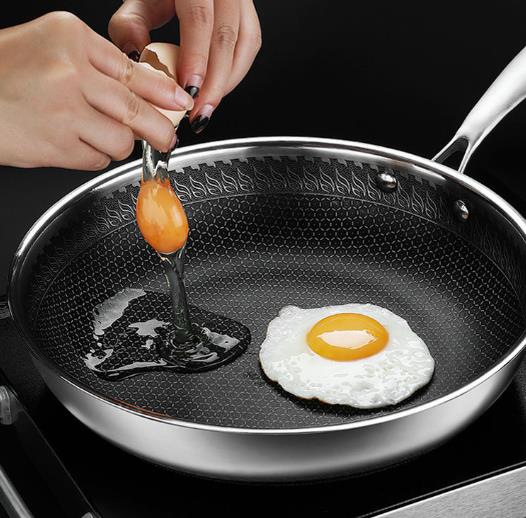
Many Chinese home-style dishes are simple, such as tomato and egg stir-fry, green pepper with pork, egg fried rice, steamed fish, and stir-fried greens.
Treating all sauces as interchangeable
Light soy sauce, dark soy sauce, Chinkiang vinegar, rice vinegar, and oyster sauce have different functions. Substitutions work, but the flavor will change.
Frequently asked questions
What should I buy first for Chinese cooking?
Start with light soy sauce, dark soy sauce, vinegar, cooking oil, cornstarch, sesame oil, ginger, garlic, and scallions.
Can I cook Chinese food without a wok?
Yes. A deep skillet or non-stick pan can work for most home-style stir-fries.
Do I need a Chinese cleaver?
It is helpful if you cook Chinese food often, but a chef’s knife is a reasonable substitute for beginners.
Which ingredients expire fastest?
Sesame oil, oyster sauce, Sichuan peppercorns, and dried chili peppers should be used within a few months after opening. Soy sauce and vinegar last longer but should still be sealed properly.



There are no comments yet, come and comment~