Taoism is one of the most influential schools of thought in Chinese culture. It emphasizes harmony with nature, wu wei, simplicity, and balance. Its ideas have shaped Chinese medicine, martial arts, art, literature, and everyday life. For Western readers, Taoism can be both fascinating and confusing. Many people mix up Taoist philosophy, religious Taoism, and folk beliefs, or misunderstand wu wei as “doing nothing.”
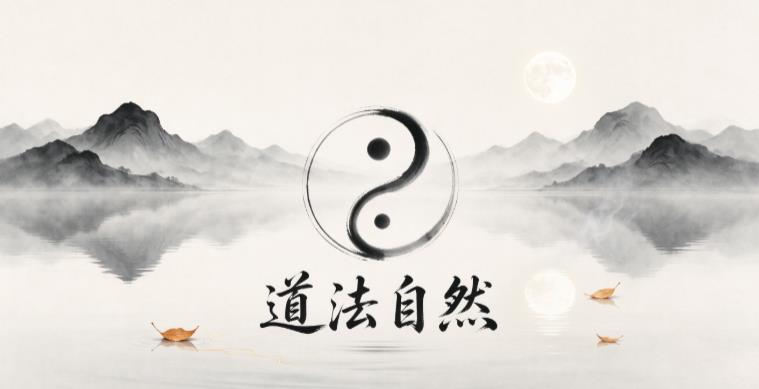
This guide explains the origins, core concepts, classic texts, and cultural influence of Taoism. It is designed for beginners who want a clear starting point.
The origins of Taoism
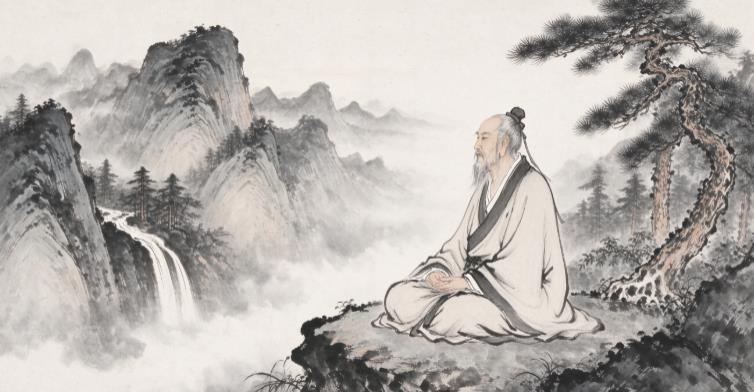
Taoism developed during the Spring and Autumn and Warring States periods in ancient China. Laozi is traditionally regarded as a central figure, and the Tao Te Ching is one of its most important texts. Zhuangzi is another major Taoist thinker, known for his parables, dialogues, and imaginative stories.
It is important to distinguish Taoist philosophy from religious Taoism. Taoist philosophy focuses on worldview, wisdom, and ways of living. Religious Taoism includes rituals, deities, spiritual practices, and folk traditions. They are related, but not the same.
Core concept 1: The Tao
The Tao is the central idea in Taoism. It refers to the natural order of the universe and the way all things unfold. The Tao is not an object that can be fully defined. It is more like a continuous, natural, and unforced pattern of life.
The Tao Te Ching begins by saying that the Tao that can be spoken is not the eternal Tao. This reminds readers that the deepest truths cannot be reduced to simple labels.
A practical way to understand the Tao is to observe nature. Water flows downward, seasons change, and plants grow in their own time. These processes are not forced. They follow natural patterns.
Core concept 2: Wu wei
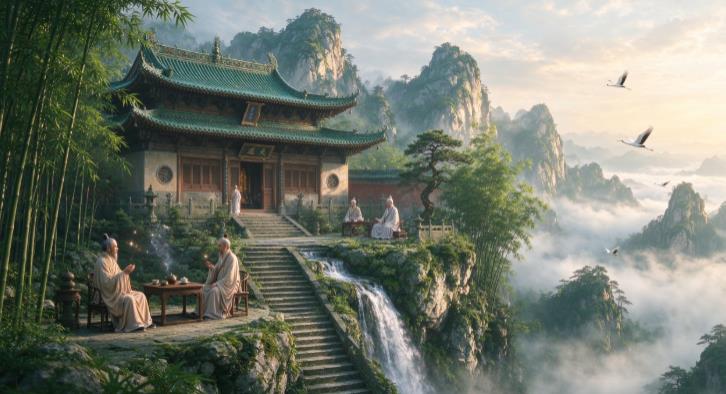
Wu wei is often misunderstood. It does not mean laziness or inaction. It means acting without forcing, resisting, or interfering with the natural flow of things.
Wu wei can be understood as:
- going with the flow
- avoiding unnecessary control
- reducing artificial effort
- allowing things to develop under the right conditions
For example, a gardener cannot force a plant to grow, but can provide soil, water, and sunlight. This attitude—creating conditions without forcing outcomes—is close to wu wei.
Core concept 3: Yin and yang
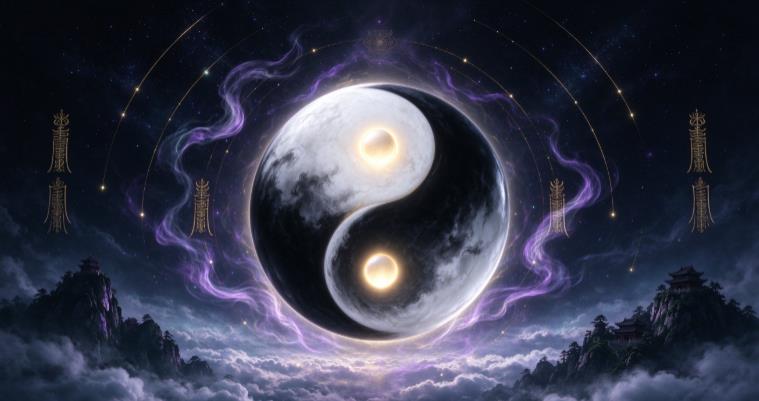
Yin and yang describe how opposite forces depend on and transform into each other. They are not fixed enemies. They are complementary.
Common associations include:
| Yin | Yang |
|---|---|
| Stillness | Movement |
| Softness | Strength |
| Darkness | Light |
| Coolness | Warmth |
| Inward | Outward |
Taoism sees health and harmony as a balance between yin and yang. Too much of either side can create imbalance. This idea later influenced Chinese medicine, feng shui, martial arts, and food culture.
Core concept 4: Naturalness
In Taoism, “naturalness” does not only mean nature. It also means allowing things to be as they are. Taoism encourages people to reduce excessive desire, respect natural rhythms, and avoid forcing everything to fit personal expectations.
This leads to a life of simplicity, moderation, and contentment. Happiness does not always come from having more. Inner peace often comes from accepting what cannot be controlled.
Core concept 5: Softness overcomes hardness
Taoism values softness, humility, and flexibility. Water is a common symbol. Water is soft, yet it can wear away stone. It flows to low places, yet it gathers into rivers and seas.
This does not mean weakness. It suggests that patience, adaptability, and persistence can be more powerful than force, aggression, or rigid control.
Important Taoist texts
The two most well-known Taoist texts are the Tao Te Ching and the Zhuangzi.
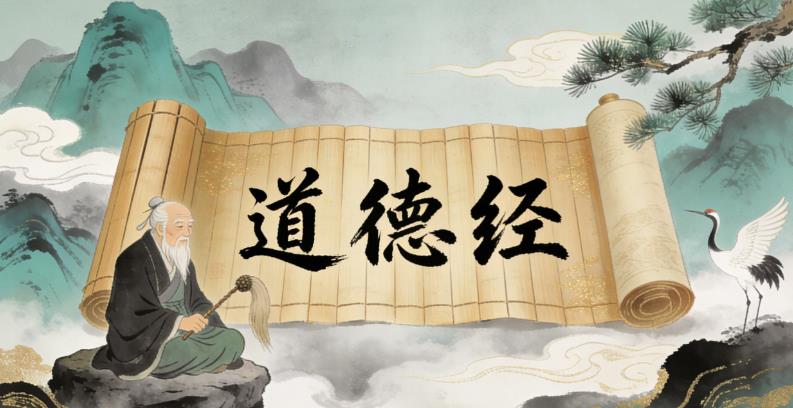
The Tao Te Ching
Traditionally attributed to Laozi, the Tao Te Ching is short but profound. It discusses the Tao, virtue, wu wei, leadership, and personal cultivation. Because its language is concise, many translations and interpretations exist.
The Zhuangzi
The Zhuangzi is famous for its parables and stories, such as “Zhuangzi dreams he is a butterfly” and “the butcher who carves an ox.” It emphasizes spiritual freedom, naturalness, and seeing beyond fixed judgments. Compared with the Tao Te Ching, it is more literary and playful.
Beginners do not need to understand every line at once. Taoist texts often leave room for reflection, and their meaning can change as readers grow.
Taoism and Confucianism
Taoism and Confucianism are both central to Chinese thought, but they focus on different things.
| Aspect | Taoism | Confucianism |
|---|---|---|
| Focus | Nature, the Tao, wu wei | Ethics, ritual, social order |
| Ideal person | One who follows nature | One who cultivates virtue |
| Way of living | Simplicity, humility, balance | Responsibility, learning, duty |
| View of rules | Cautious about excessive control | Values ritual and responsibility |
They are not simply opposites. Many people in Chinese culture have been influenced by both. Confucianism often guides social life, while Taoism offers a way to find balance, freedom, and inner calm.
Taoism’s influence on Chinese culture
Taoist ideas appear in many areas of Chinese life.
Chinese medicine and wellness
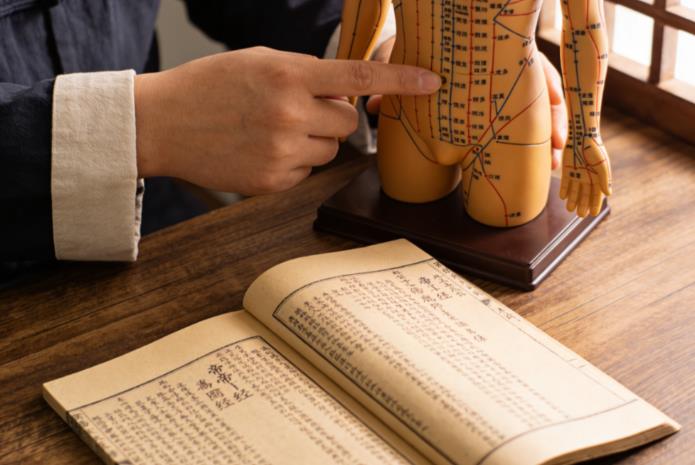
Traditional Chinese medicine emphasizes yin-yang balance, qi, and harmony with the seasons. Practices such as moderation, breathing, meditation, and gentle movement reflect Taoist thinking.
Martial arts
Tai chi is a clear example. It uses softness, balance, and relaxed strength. Instead of meeting force with force, it redirects energy.
Art and aesthetics
Chinese landscape painting, calligraphy, and poetry often value empty space, simplicity, and natural feeling. The goal is not always realistic detail, but a sense of depth and harmony.
Everyday life
Ideas such as “go with the flow,” “know when enough is enough,” and “step back to find peace” carry Taoist influence. They offer a calm response to pressure, competition, and conflict.
Taoist wisdom for modern life
Taoism still has practical value today.
- In a fast-paced life, it reminds us to reduce unnecessary busyness
- In anxiety and competition, it encourages acceptance of what cannot be controlled
- In relationships, it suggests less forcing and more understanding
- In change, it values flexibility and openness
Taoism does not ask people to escape life. It warns that excessive control, desire, and comparison can move us further away from peace.
Frequently asked questions
Is Taoism a religion?
Taoist philosophy and religious Taoism are related but different. Taoist philosophy focuses on ideas and ways of living. Religious Taoism includes rituals, deities, and spiritual practices.
Does wu wei mean doing nothing?
No. Wu wei means acting without forcing. It is closer to flowing with natural conditions rather than resisting them.
Is the Tao Te Ching good for beginners?
Yes, but it helps to read it with notes or a reliable translation. Its short lines can have many meanings.
Is Taoism or Confucianism more important?
Both are important. Confucianism emphasizes social ethics and responsibility. Taoism emphasizes nature, balance, and inner freedom. Together, they shape Chinese culture.
Is Taoism still relevant today?
Yes. Its ideas about simplicity, balance, flexibility, and natural living can help people manage stress, health, and relationships in modern life.



There are no comments yet, come and comment~