
Chinese sauces can be confusing for beginners. Light soy sauce, dark soy sauce, oyster sauce, hoisin sauce, sweet bean paste, and chili bean paste all look similar, but they serve very different purposes. Many home cooks ask: What is the difference between light and dark soy sauce? Can I substitute oyster sauce? Are hoisin sauce and sweet bean paste the same?
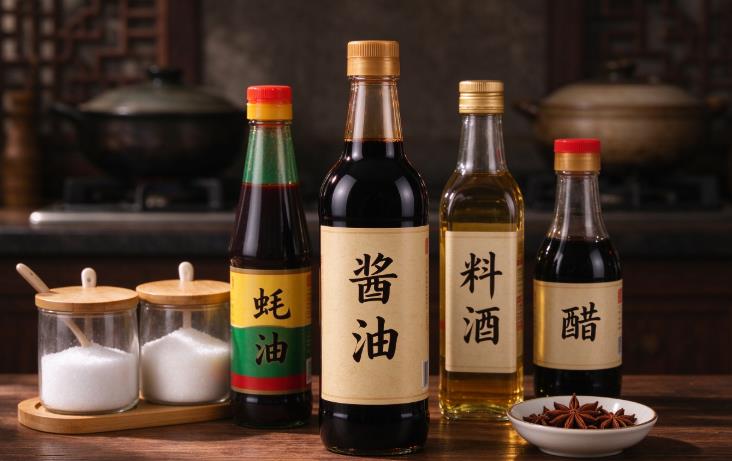
This guide explains the most common Chinese sauces, how to use them, and how to substitute them when necessary. It works well as a quick reference page for beginners.
Soy sauce: the foundation of Chinese cooking
Soy sauce is one of the most essential Chinese condiments. The two main types are light soy sauce and dark soy sauce.
Light soy sauce
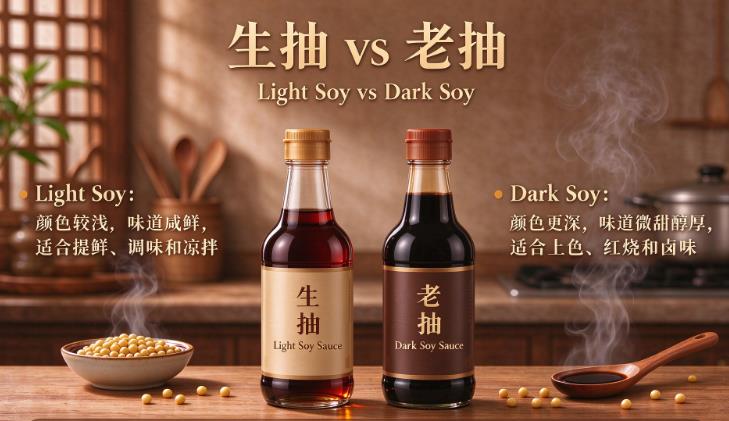
Light soy sauce is thinner, saltier, and lighter in color. It is used for stir-frying, seasoning, noodle dishes, and dipping sauces. When a recipe simply calls for “soy sauce,” it usually means light soy sauce.
Dark soy sauce
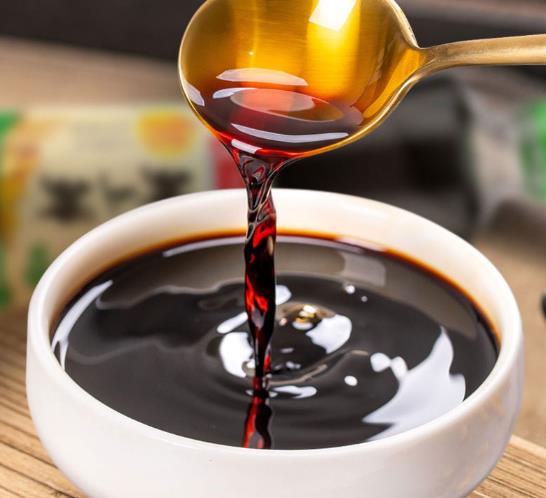
Dark soy sauce is thicker, darker, and slightly sweeter. It is mainly used for braising, marinating, and adding rich color to dishes. It is rarely used alone for seasoning and is usually combined with light soy sauce.
Simple rule:
Light soy sauce adds salt and umami. Dark soy sauce adds color and depth.
Oyster sauce: umami and thickness
Oyster sauce is made from oyster extract, sugar, salt, and thickening agents. It has a savory, slightly sweet flavor and a thick texture. It is commonly used in stir-fried vegetables, beef, mushrooms, and everyday home-style dishes.
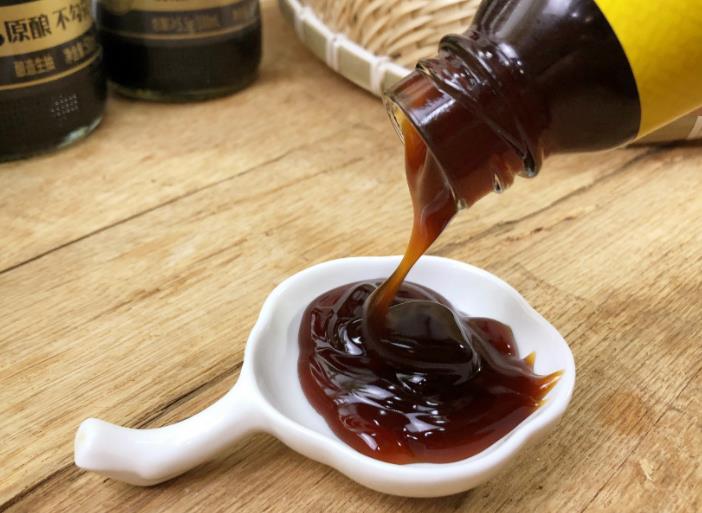
Oyster sauce not only adds flavor but also helps sauces cling to ingredients. It is usually added near the end of cooking to preserve its taste.
If you do not have oyster sauce, you can mix light soy sauce with a little sugar, but the result will be less rich and less thick.
Hoisin sauce: a sweet and savory condiment
Hoisin sauce is a sweet, thick, and complex sauce often used in Cantonese cooking. It typically contains soybeans, sugar, vinegar, sesame, and garlic.
Hoisin sauce works well for:
- Peking duck and char siu dipping
- Brushing on roasted chicken or pork
- Adding sweet-savory flavor to stir-fries
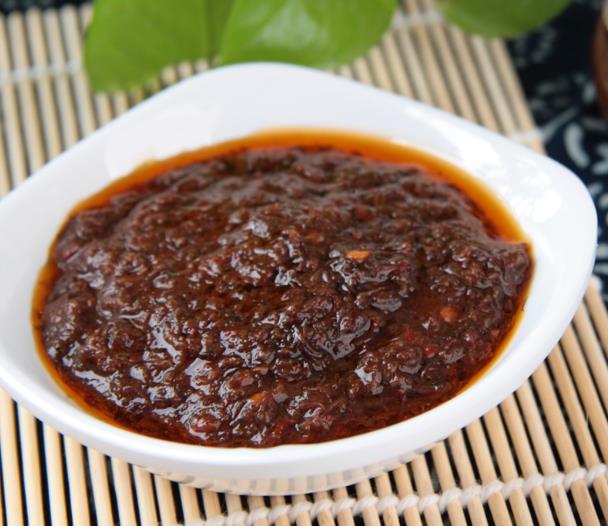
Despite its name, hoisin sauce does not always contain seafood. The name comes from traditional usage rather than ingredients.
Sweet bean paste: a Northern Chinese staple
Sweet bean paste is made from fermented wheat flour. It has a sweet, earthy, and fermented flavor. It is commonly used in Jingjiang pork shreds, zhajiangmian, and Peking duck wraps.
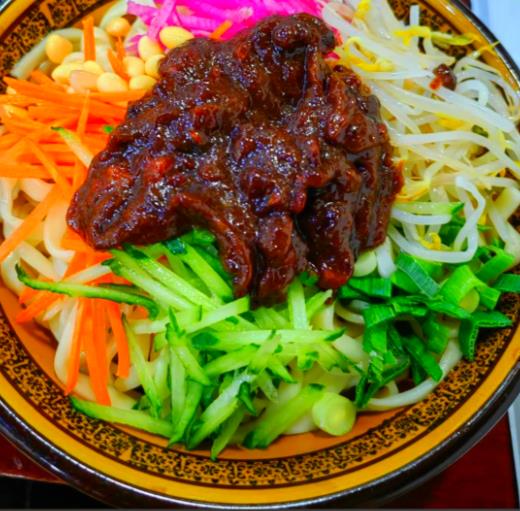
Sweet bean paste and hoisin sauce are similar, but they are not the same. Sweet bean paste has a stronger fermented grain flavor, while hoisin sauce is usually sweeter and more complex.
Chili bean paste: the soul of Sichuan cooking
Chili bean paste, also known as doubanjiang, is made from fermented broad beans, chili peppers, and salt. It is salty, spicy, and deeply aromatic.
It is essential for dishes such as mapo tofu, twice-cooked pork, and water-boiled beef. For best results, it is usually fried in oil first to release its fragrance.
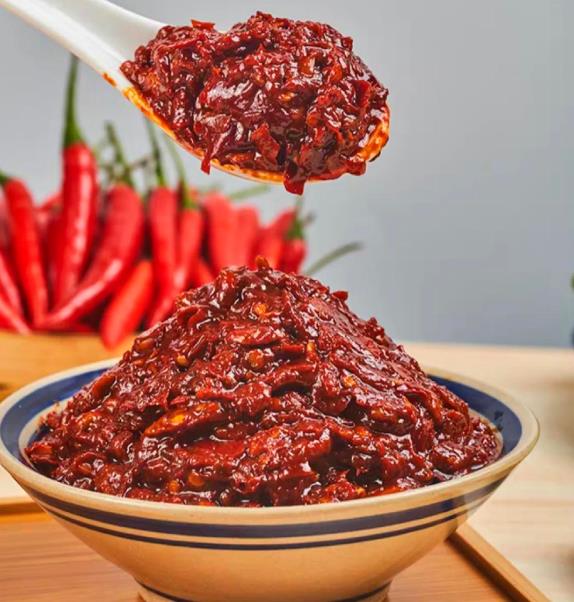
If you cannot find authentic chili bean paste, you can try mixing chili paste with a small amount of bean paste or miso, but the flavor will be different.
Other common Chinese sauces
Sesame paste
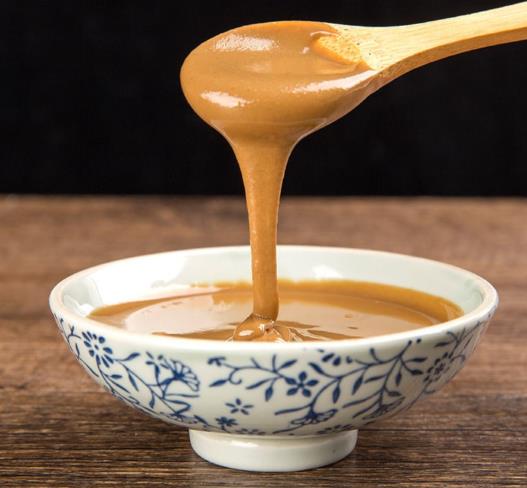
Sesame paste is rich and nutty. It is used in cold noodles, hot pot dipping sauces, and dan dan noodles. It usually needs to be thinned with water or broth before use.
Chinese vinegar
Chinese vinegar is another important seasoning. Chinkiang vinegar is rich and mellow, suitable for dumplings and braises. Black vinegar is softer and slightly sweet. Rice vinegar is lighter and works well in dishes that need gentle acidity.
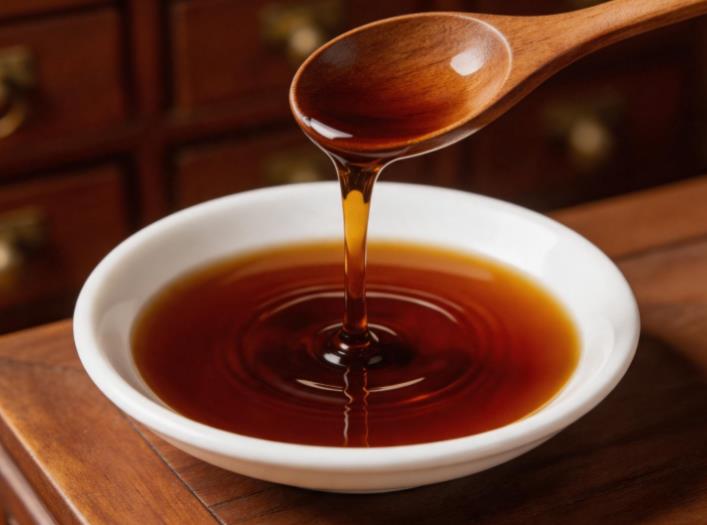
Chili oil
Chili oil is made from chili peppers, oil, and spices. It adds heat and aroma to noodles, dumplings, soups, and cold dishes.
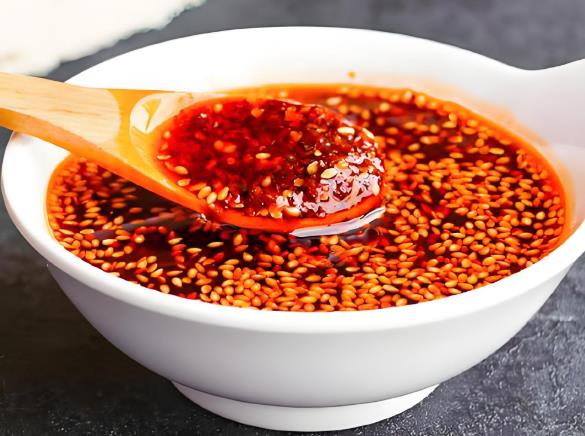
Chinese sauce quick reference
| Sauce | Main flavor | Common uses |
|---|---|---|
| Light soy sauce | Salty, umami | Stir-fries, noodles, seasoning |
| Dark soy sauce | Dark color, mild sweetness | Braising, coloring, marinades |
| Oyster sauce | Savory, sweet, thick | Vegetables, beef, mushrooms |
| Hoisin sauce | Sweet, savory, complex | Peking duck, char siu, BBQ |
| Sweet bean paste | Sweet, fermented | Jingjiang pork, zhajiangmian |
| Chili bean paste | Salty, spicy, fermented | Sichuan dishes, mapo tofu |
| Sesame paste | Nutty, rich | Cold noodles, hot pot dips |
| Chili oil | Spicy, aromatic | Noodles, dumplings, cold dishes |
Substitution tips
Substitutions can help, but they will not perfectly replicate the original sauce.
- No dark soy sauce: use light soy sauce with a little sugar or caramel color
- No oyster sauce: use light soy sauce with a little sugar and cornstarch slurry
- No hoisin sauce: use sweet bean paste with a little sugar and ketchup
- No sweet bean paste: use hoisin sauce or bean paste with a little sugar
- No chili bean paste: use chili paste with a small amount of bean paste or miso
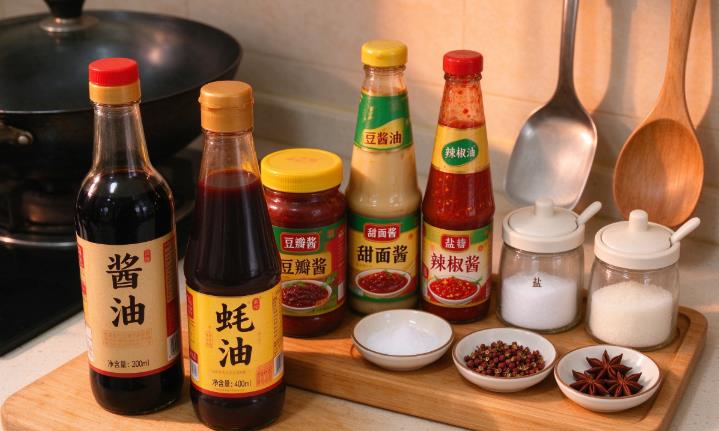
Storage tips
- Store soy sauce and vinegar in a cool, dark place after opening
- Refrigerate oyster sauce after opening, especially in warm weather
- Keep fermented sauces such as chili bean paste and sweet bean paste sealed
- Stir sesame paste before use, as it may separate
- Keep chili oil dry; water can cause spoilage
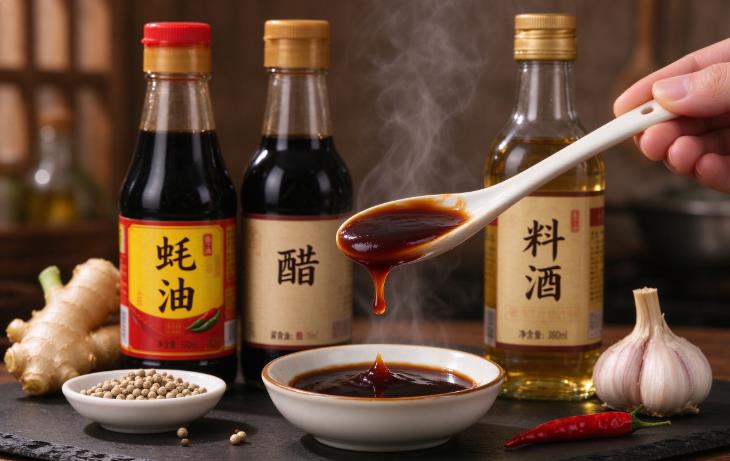
Frequently asked questions
Can I substitute light soy sauce for dark soy sauce?
Not ideally. Light soy sauce is saltier, while dark soy sauce adds color. Small substitutions are possible, but flavor and color will change.
Should oyster sauce be refrigerated?
Yes, refrigeration is recommended after opening, especially if you use it infrequently.
Are hoisin sauce and sweet bean paste the same?
No. Hoisin sauce is sweeter and more complex. Sweet bean paste has a stronger fermented grain flavor.
Is chili bean paste very spicy?
Authentic chili bean paste is usually noticeably spicy, but milder versions exist. Check the label for heat level.
Which sauces should beginners buy first?
Start with light soy sauce, dark soy sauce, oyster sauce, and Chinese vinegar. Add hoisin sauce, sweet bean paste, and chili bean paste as your recipes require.



There are no comments yet, come and comment~