
The Tao Te Ching is one of the most famous Taoist texts, but many beginners find it short, abstract, and difficult to understand. It does not tell stories in a normal way. Instead, it uses short lines, metaphors, and aphorisms to express deep ideas.
This guide offers simple ways to start reading it without feeling overwhelmed.
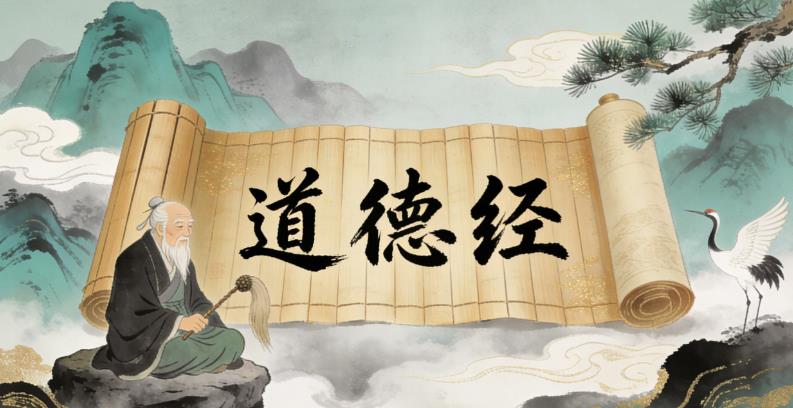
Do not try to understand everything at once
The Tao Te Ching has more than eighty chapters, and each chapter is short. But its language is subtle. Many lines can be understood in more than one way. Beginners do not need to master every chapter immediately.
- Read a few chapters at a time
- Focus on one line that stands out
- Accept that some parts will feel unclear
- Return to the text later
The Tao Te Ching is not usually a book you finish once. It is a book you return to.
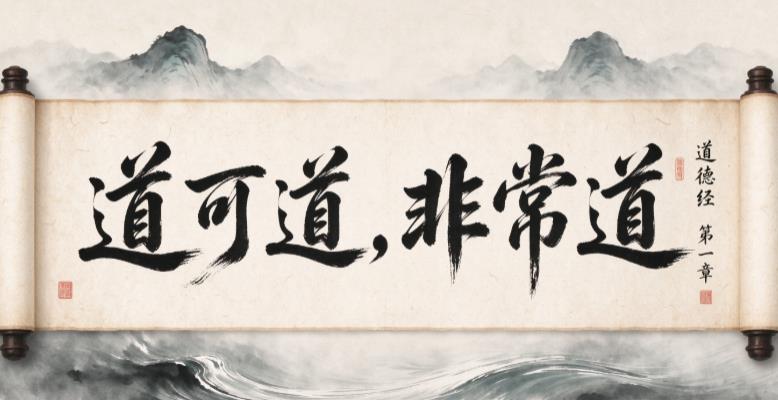
Choose a translation that fits you
Many English translations of the Tao Te Ching exist. Some stay close to the original Chinese. Others are more poetic. Some add personal interpretation.
- Whether it includes notes or short explanations
- Whether the language feels clear
- Whether it suits a beginner
- Whether it avoids being too religious or too modern
You can start with an accessible version and compare others later.
Learn the key concepts first
As you read, pay attention to a few recurring ideas:
- Tao: the natural order of life and the universe
- Te: virtue or power that comes from following the Tao
- Wu wei: action without forcing
- Naturalness: allowing things to be as they are
- Softness: flexibility, humility, and gentle strength
- Contentment: knowing when enough is enough
You do not need to memorize these terms. But recognizing them makes the text easier to follow.
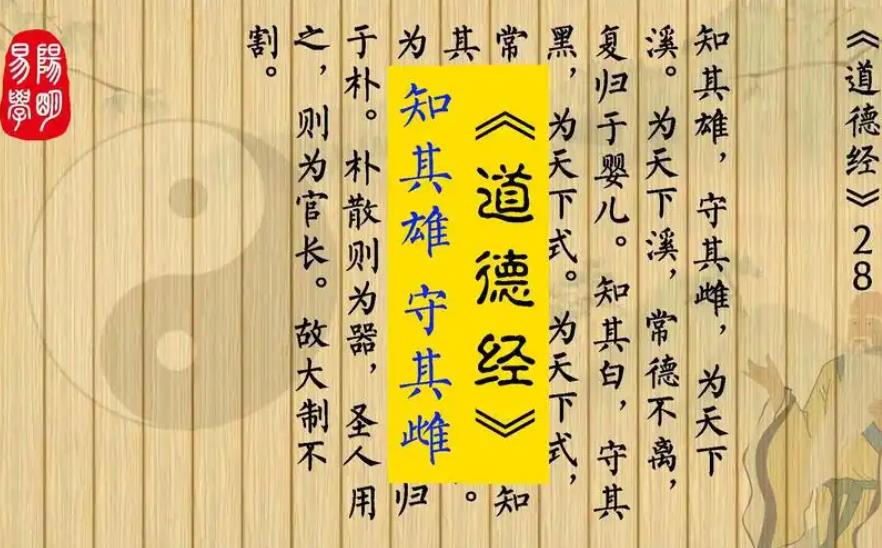
Connect it with daily life
The Tao Te Ching is ancient, but many of its ideas still feel relevant.
- In stressful moments, am I trying to control too much?
- In competition, do I always need to be first?
- In change, can I be more flexible?
- In desire, do I know when to stop?
Reading becomes easier when you connect the text with your own experience.
Use notes or guides
Beginners may find it helpful to read the Tao Te Ching with notes, introductions, or short commentaries. These can explain historical context and difficult phrases.
Still, different commentators may interpret the same line differently. Treat notes as guidance, not as the only correct answer.
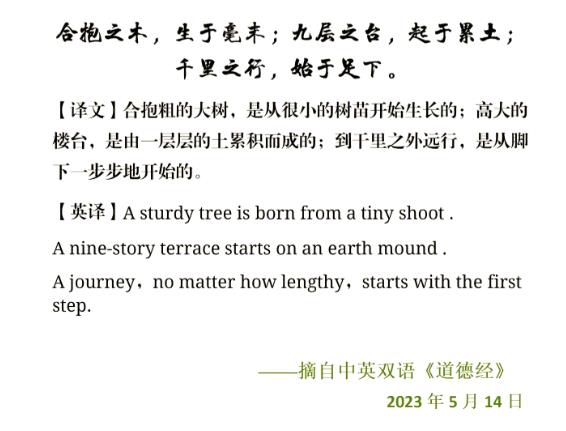
Common misunderstandings
Misunderstanding 1: Wu wei means doing nothing
Wu wei does not mean laziness. It means acting without forcing outcomes. It is closer to moving with natural conditions.
Misunderstanding 2: The Tao Te Ching is only mystical
The text has mysterious parts, but it also discusses leadership, behavior, simplicity, and daily life. It is not only a spiritual or mystical book.
Misunderstanding 3: You must read it in order
The chapters do not form a continuous story. Beginners can start with shorter or clearer chapters if they wish.
Misunderstanding 4: There is only one correct meaning
The Tao Te Ching is open to interpretation. Readers can respect the text while also reflecting on what it means to them.
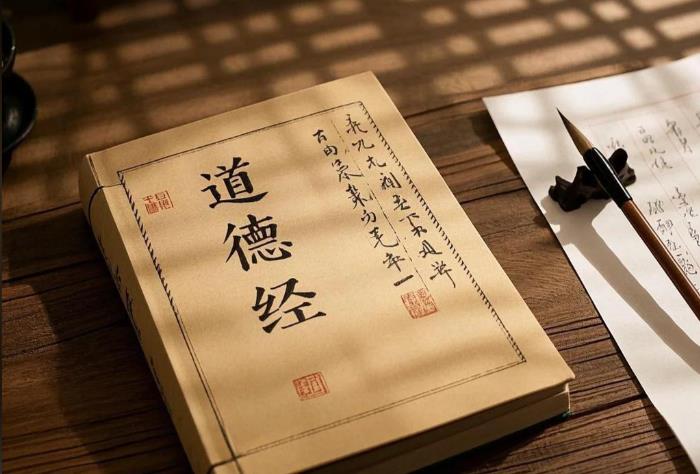
A simple reading plan
If you want a steady approach, try this:
- Read one to three chapters per day
- Choose one line that speaks to you
- Write a short note in your own words
- Review your notes after a week
- Reread the same chapters after a month
This way, the Tao Te Ching becomes part of your reflection, not just a reading task.
Frequently asked questions
Is the Tao Te Ching hard to read?
It can be challenging for beginners, but it is not impossible. Read slowly, read less at a time, and use notes when needed.



There are no comments yet, come and comment~