Confucianism is one of the most influential systems of thought in Chinese culture. It began during the Spring and Autumn period and was founded by Confucius. Over time, it shaped Chinese education, family life, politics, ritual, and social ethics.
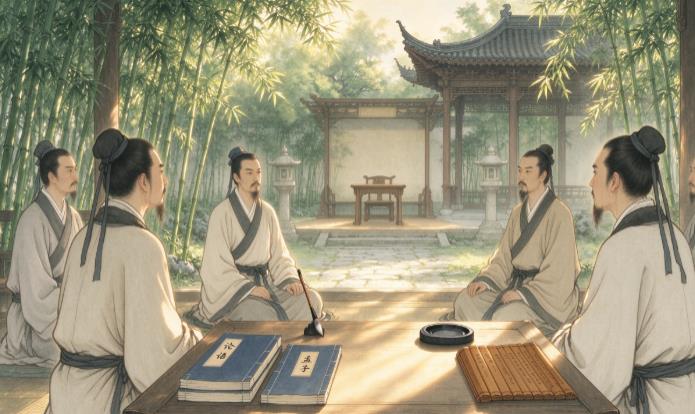
Many people have heard of Confucius, but they may not know what Confucianism actually teaches. In simple terms, Confucianism focuses less on the supernatural and more on how people can become better, how families can live harmoniously, and how society can maintain order.
Confucius and the origins of Confucianism
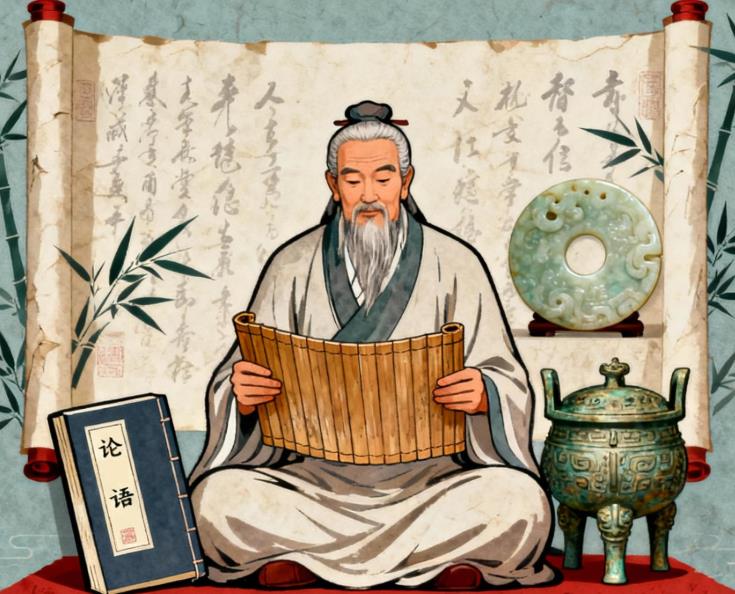
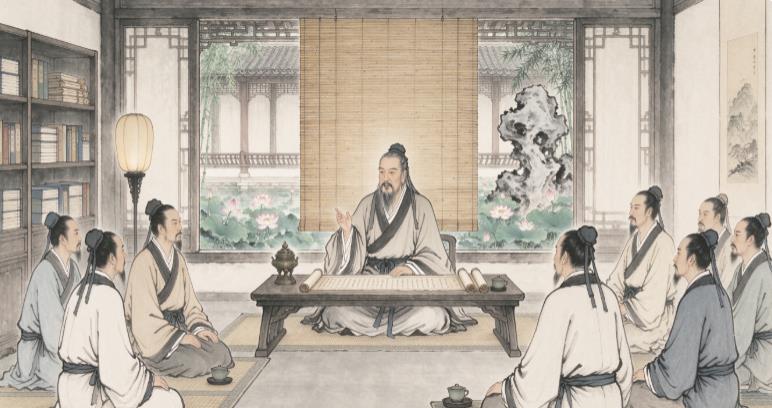
Confucius lived during the Spring and Autumn period. His personal name was Kong Qiu, and he was also known as Kong Zi. The Analects records his conversations with students and is one of the most important texts for understanding his thought.
Confucius did not present himself as the founder of a religion. He was more concerned with practical life, especially:
- How individuals cultivate moral character
- How families maintain ethical relationships
- How society creates stable order
- How rulers govern through virtue
Later thinkers such as Mencius and Xunzi developed Confucian ideas further, helping them become a more complete philosophical tradition.
Core concepts in Confucian thought
Confucianism includes many important ideas. The most common ones are:
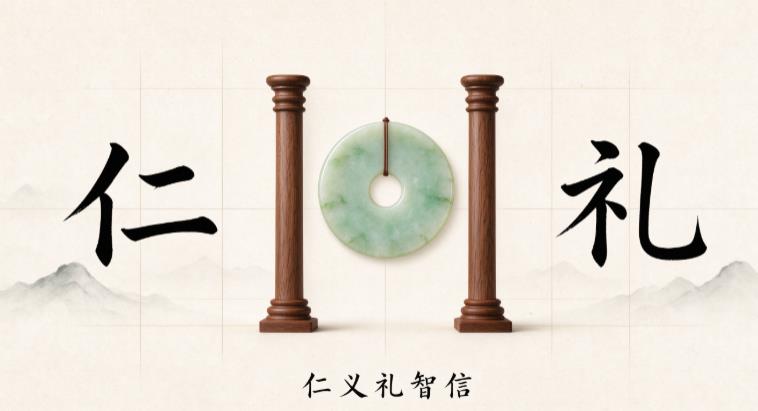
- Ren: humaneness, care for others, moral sensitivity
- Yi: righteousness, doing what is morally appropriate
- Li: ritual, propriety, social norms
- Zhi: wisdom, the ability to judge right from wrong
- Xin: trustworthiness, honesty
- Xiao: filial piety, respect for parents and elders
- Junzi: the morally cultivated person
These concepts are connected. A person with ren expresses it through li. A person with yi will not abandon principle for profit.
Ren: the heart of Confucian ethics
Ren is often translated as benevolence, humaneness, or kindness. It is more than simple goodness. It is the moral capacity to care for others, respect others, and act with empathy.
Confucius said that a person with ren loves others. This shows that Confucianism places human relationships at the center of moral life. Ren is not only an inner feeling; it should appear in daily behavior.
Li: order, respect, and proper conduct
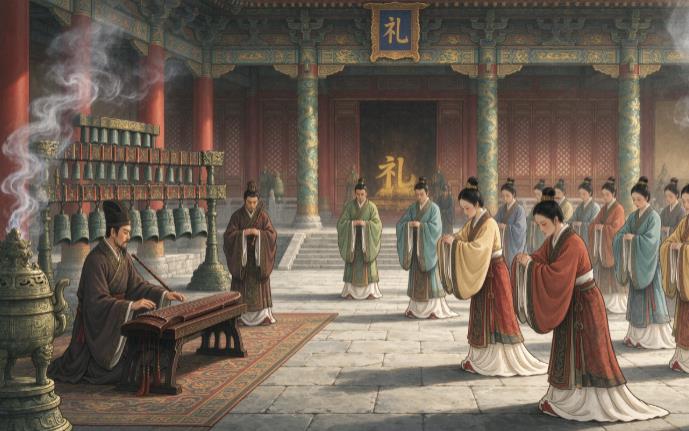
Li is often translated as ritual or propriety. It includes manners, social norms, ceremonial practices, and respectful behavior toward others.
Confucians did not see li as empty formality. They believed it helps stabilize relationships. For example:
- Children have responsibilities toward parents
- Students show respect to teachers
- Friends act with trust and sincerity
- Rulers and people also have mutual duties
Li encourages everyone to act appropriately within their relationships.
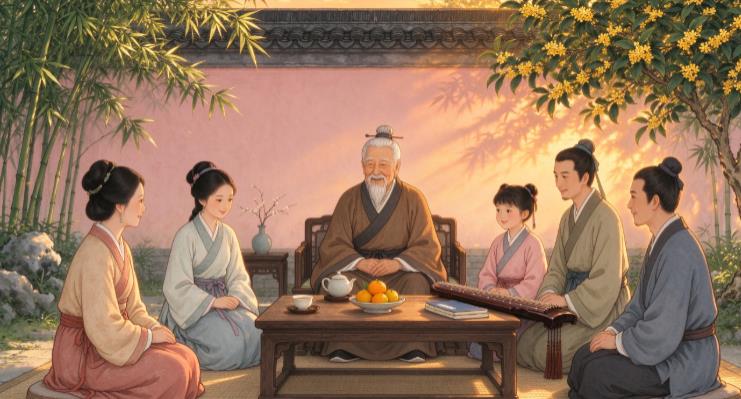
Xiao: the foundation of family ethics
Filial piety, or xiao, is a central Confucian value. It means respecting parents, caring for elders, and taking family responsibility seriously.
In Confucian thought, the family is the basic unit of society. If family relationships are stable, social order becomes more secure. Filial piety is not only about providing material support; it also includes respectful attitude.
Junzi: the ideal person
Confucianism does not expect everyone to become a sage. Instead, it encourages people to strive toward becoming a junzi, often translated as a gentleman or exemplary person.
A junzi is not defined by noble birth, but by moral character. Such a person values righteousness over profit, learning over ignorance, and self-reflection over blame.
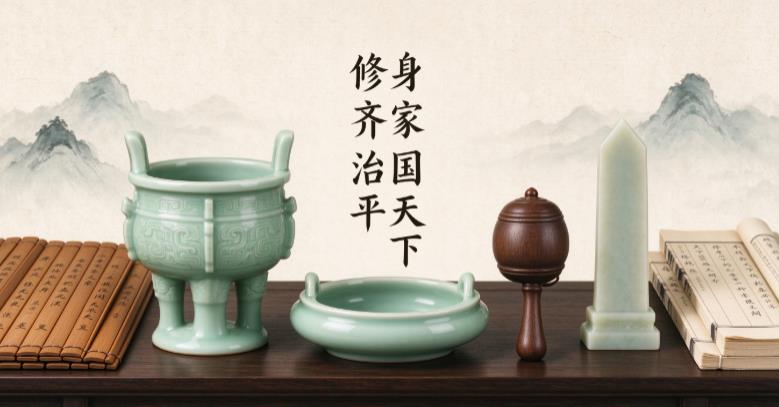
Confucianism’s influence on Chinese culture
Confucianism has long influenced Chinese society, especially in these areas:
- Education: emphasis on study, self-cultivation, and moral learning
- Family: respect for elders and filial responsibility
- Politics: rule by virtue and selection of capable officials
- Ethics: responsibility, honesty, and proper conduct
- Social relations: appropriate behavior between people
For much of Chinese history, the civil examination system required study of Confucian classics. This helped Confucian values become deeply embedded in social life.
Confucianism and Taoism
People often compare Confucianism and Taoism. Both come from traditional Chinese thought, but they focus on different things.
| Aspect | Confucianism | Taoism |
|---|---|---|
| Focus | Human relations, society, order | Nature, change, freedom |
| Ideal person | Junzi | Person who follows the Tao |
| Way of action | Self-cultivation, learning, propriety | Naturalness, wu wei |
| Social attitude | Active engagement | Detachment |
| Key figures | Confucius, Mencius | Laozi, Zhuangzi |
Confucianism emphasizes responsibility, education, and social order. Taoism emphasizes nature, flexibility, and following the natural way. They are not simply opposites and have often complemented each other in Chinese culture.
Common misunderstandings
Misunderstanding 1: Confucianism is only rigid tradition
Confucianism was sometimes used to support hierarchy, but it also teaches benevolence, honesty, responsibility, and self-improvement. It should not be reduced to stiff ritualism.
Misunderstanding 2: Confucianism is a religion
Confucianism has rituals, classics, and moral traditions, but it is not a religion in the modern sense. It focuses more on ethics, education, and daily life than on worship of gods.
Misunderstanding 3: Confucianism only teaches obedience
Confucianism values order, but it also expects rulers to be virtuous, parents to be caring, and friends to be trustworthy. It is not one-sided obedience.
Misunderstanding 4: Confucianism is outdated
Confucianism comes from ancient society, but its reflections on learning, responsibility, honesty, family, and self-cultivation still influence modern values.
Frequently asked questions
Who founded Confucianism?
Confucianism was founded by Confucius. The Analects is the most important text for understanding his teachings.
What is the core idea of Confucianism?
Ren is often seen as the core, but li, yi, xiao, zhi, and xin are also essential. Together they form a system of moral and social ethics.
How is Confucianism different from Taoism?
Confucianism focuses more on social order, family ethics, and personal cultivation. Taoism focuses more on nature, freedom, and following the natural way.
Does Confucianism still matter today?
Not every Confucian idea fits modern life, but its emphasis on learning, responsibility, honesty, family, and self-improvement remains relevant.



There are no comments yet, come and comment~