Ren, li, and xiao are among the most frequently discussed concepts in Confucianism. For beginners, it is helpful to understand them together, because they are closely connected.
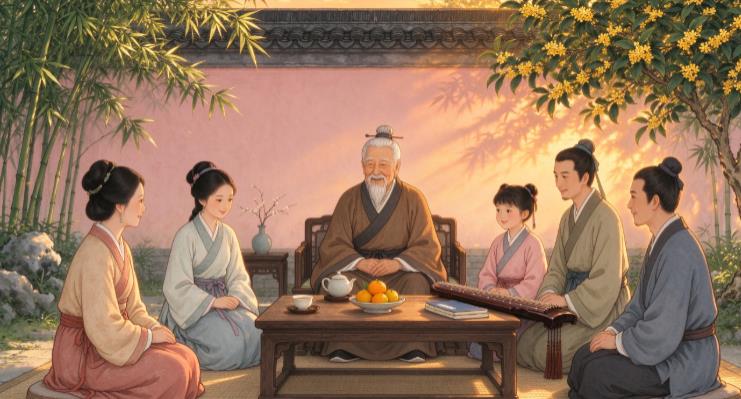
In simple terms:
- Ren is inner moral care for others
- Li is proper outward conduct
- Xiao is respect and responsibility within the family
Confucianism suggests that good intentions alone are not enough. Without proper expression, kindness may become careless. Without sincere feeling, manners may become empty form. Ren, li, and xiao work together to shape character, relationships, and social harmony.
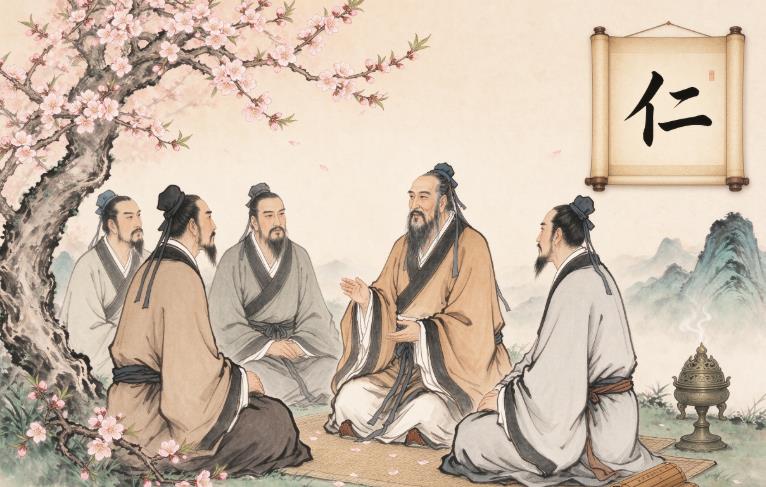
Ren: moral care for others
Ren is often translated as benevolence, humaneness, or moral care. It is one of the central values in Confucian thought.
Confucius said that a person with ren loves others. This shows that ren is not an abstract idea. It appears in how people treat one another.
Ren includes:
- Noticing others’ situations
- Respecting human dignity
- Acting with genuine kindness
- Avoiding harm for personal gain
- Being sincere in relationships
Ren does not demand perfection. It encourages continuous self-cultivation. A person with ren tries to make others feel respected and cared for.

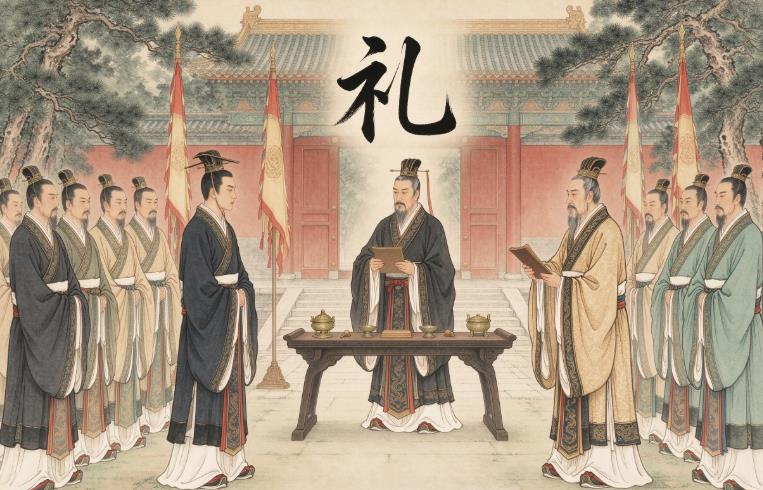
Li: proper conduct and respect
Li is often translated as ritual, propriety, or proper conduct. It includes manners, social norms, ceremonial practices, and the sense of appropriate behavior.
Confucians valued li because it turns inner goodwill into suitable action. For example, caring for parents is not only a feeling; it should also be expressed through respectful words, attentive care, and considerate communication.
The functions of li include:
- Expressing respect
- Reducing conflict
- Maintaining family and social order
- Giving emotions a proper form
- Reminding people of their relational responsibilities
Li is not empty formalism. Meaningful li comes from sincere respect for others.
Xiao: respect and responsibility in the family
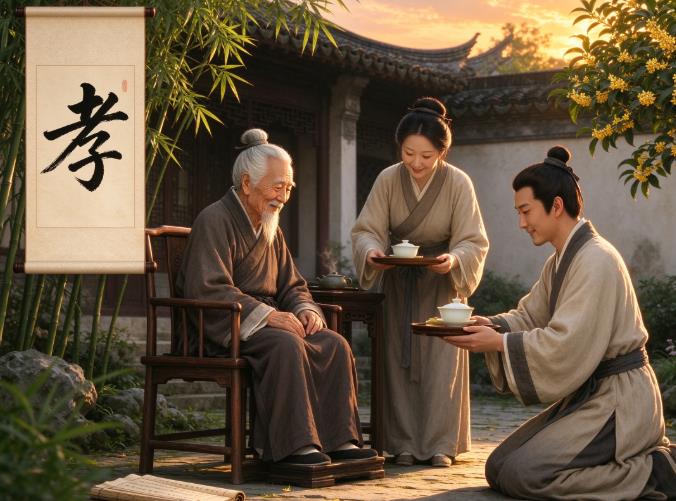
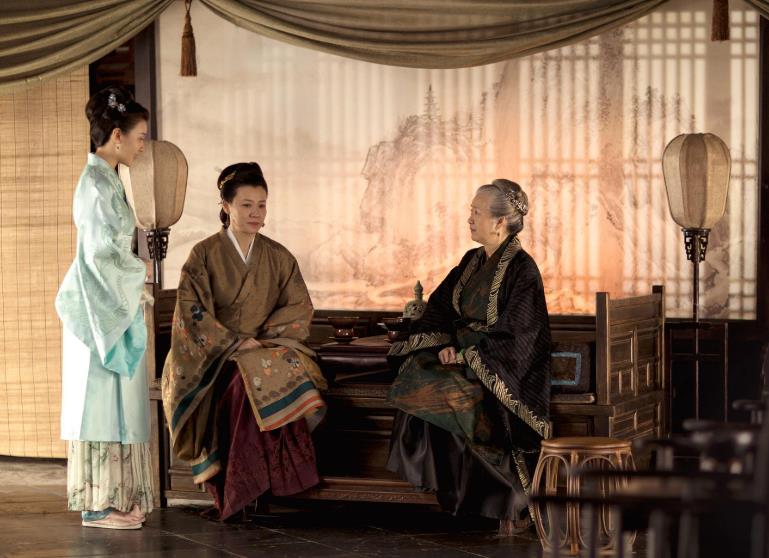
Xiao, or filial piety, means respecting parents, caring for elders, and taking family responsibility seriously. It is the foundation of Confucian family ethics.
In Confucian thought, the family is where people first learn moral relationships. If one learns respect, gratitude, and responsibility at home, it becomes easier to relate well to others in society.
Filial piety is more than material support. Confucius warned that providing food without respect is not very different from caring for animals. True xiao includes:
- Respecting parents
- Caring for their well-being
- Communicating with gentleness
- Taking responsibility at home
- Avoiding unnecessary hurt
Xiao is also not blind obedience. Confucianism expects parents to be caring, and it allows children to remonstrate with parents in a respectful way.
How ren, li, and xiao connect
These three values form a connected system:
- Ren provides inner motivation
- Li provides proper expression
- Xiao provides an early field of practice
A person with ren expresses it through li. A person who understands li practices it at home through xiao. A person who learns xiao at home gradually learns how to respect others in wider society.
For example:
- Speaking gently to parents is both xiao and li
- Caring for parents’ health is xiao and also an expression of ren
- Showing respect to elders in public is li and reflects xiao
- Keeping promises with friends is li and grows from ren
Confucianism does not see people as isolated individuals. It sees them as people living within relationships. Ren, li, and xiao help people find their proper place in those relationships.
Common misunderstandings
Misunderstanding 1: Ren is just kindness
Ren is deeper than simple kindness. It includes moral judgment, empathy, responsibility, and self-cultivation. Good intentions without wisdom can still cause harm. Ren asks for both sincerity and discernment.
Misunderstanding 2: Li is only politeness
Li is not hypocrisy politeness. Confucianism emphasizes that li should come from sincerity. Without ren, li can become performance. With ren, li helps relationships become more stable and respectful.
Misunderstanding 3: Xiao means total obedience
Filial piety values respect, but it is not blind obedience. Confucianism also expects parents to be caring, and it allows children to advise parents in a gentle, respectful manner.
Misunderstanding 4: These ideas belong only to ancient times
Ren, li, and xiao come from ancient society, but they still speak to modern life: how to care for others, how to show respect, how to handle family relationships, and how to live with responsibility.
Frequently asked questions
Which is most important: ren, li, or xiao?
Confucianism usually treats ren as the core value, but li and xiao are also essential. Ren gives inner direction, li gives proper form, and xiao gives a practical starting point in family life.
How are ren and li related?
Ren is inner moral care; li is outward expression. Without ren, li may become empty. Without li, ren may not be expressed appropriately.
Is filial piety still relevant today?
The forms of filial piety may change, but respecting parents, caring for elders, and taking family responsibility remain important in many cultures.
How can ordinary people practice these values?
Start with small daily actions: speak kindly, keep promises, care for family members, show respect, and reflect on your own behavior. Confucian cultivation is not abstract; it happens through everyday relationships.



There are no comments yet, come and comment~