
The Analects is one of the most important texts for understanding Confucianism, but many beginners find it fragmented, brief, and difficult. It is not a continuous story. Instead, it is a collection of short sayings, conversations, and reflections attributed to Confucius and his disciples.
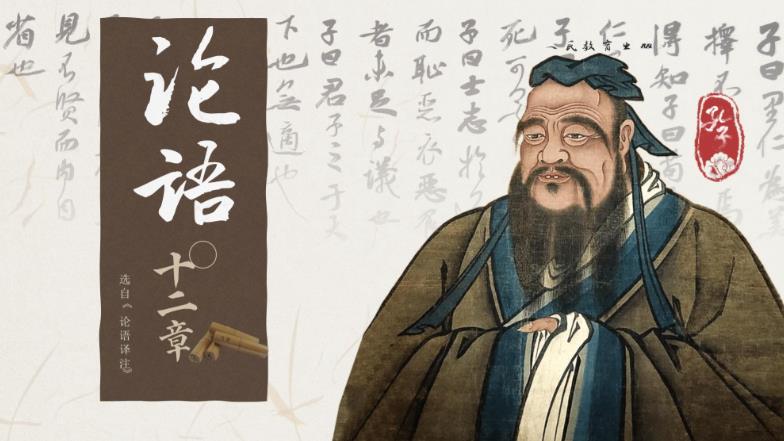
This guide helps beginners read it without feeling overwhelmed.
Do not treat it like a normal book
The Analects has twenty books, each made up of many short passages. These passages do not form a continuous plot, and you do not have to read them strictly in order. Beginners can start with shorter or clearer chapters.
A gentler approach works better:
- Read a few passages at a time
- Focus on one line that stands out
- Accept that some parts will feel unclear
- Return to the text later
The Analects is not a book you must finish quickly. It is a book you return to.

Choose a translation that fits you
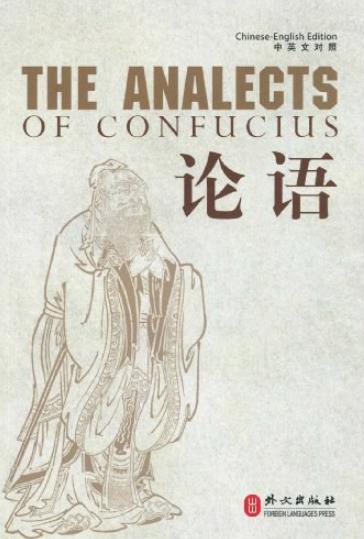
Many English translations exist, and they differ in style. Some are more academic, some more readable, and some more philosophical.
Common translations include:
- D.C. Lau: clear and scholarly
- Arthur Waley: elegant and widely read
- Roger T. Ames & Henry Rosemont Jr.: philosophical and contextual
- Edward Slingerland: accessible with helpful notes
- Simon Leys: concise, with attention to Confucius as a person
- Annping Chin: modern and easy to read
When choosing a translation, consider:
- Whether it includes notes or short explanations
- Whether the language feels clear
- Whether it suits a beginner
- Whether it avoids being too archaic or too modern
Try a few pages before committing to one version.
Learn the key concepts first
As you read, pay attention to a few recurring ideas:
- Ren: humaneness, care for others, moral sensitivity
- Yi: righteousness, doing what is appropriate
- Li: ritual, propriety, proper conduct
- Xiao: filial piety, respect for parents and elders
- Junzi: the morally cultivated person
- Xue: learning, practice, self-improvement
These terms may shift slightly across passages. You do not need to master them immediately. Recognizing them will make the text easier to follow.
Connect it with daily life
The Analects is ancient, but many of its ideas still feel relevant.
Ask yourself:
- When I learn something, do I only memorize it, or do I practice it?
- Am I trustworthy with friends?
- Can I stay steady under pressure?
- Do I know what is right to take and what is not?
Reading becomes easier when you connect the text with your own experience.
Use notes or guides
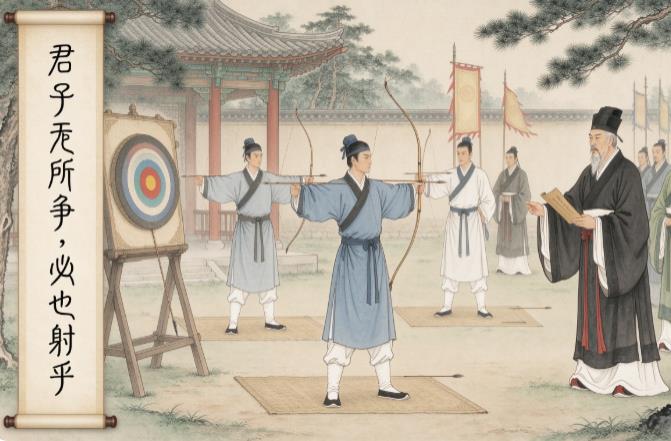
Beginners may find it helpful to read the Analects with notes, introductions, or short commentaries. These can explain historical context and difficult phrases.
Still, different commentators may interpret the same line differently. Treat notes as guidance, not as the only correct answer.
Common misunderstandings
Misunderstanding 1: The Analects is just a book of quotes
It contains many famous lines, but it is not a random collection of sayings. Many passages reflect teacher-student relationships, political contexts, ritual traditions, and moral judgment.
Misunderstanding 2: You must read it from start to finish
The books do not form a continuous story. Beginners can start with shorter or clearer passages if they wish.
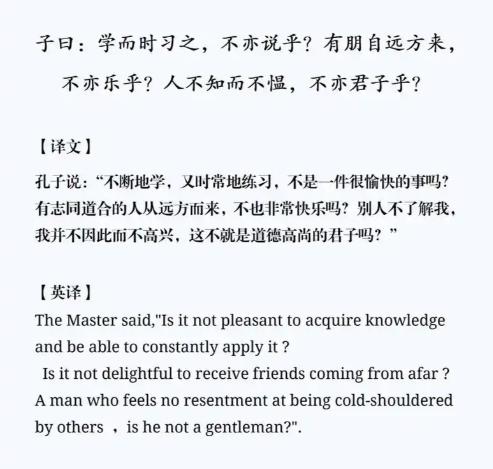
Misunderstanding 3: Every famous line has only one meaning
The language is concise, and many lines have multiple interpretations. For example, “to learn and then practice it” is often closer to putting learning into action, not merely reviewing it. Readers can compare interpretations while respecting the text.
Misunderstanding 4: Confucius only teaches obedience
The Analects values order, but it also emphasizes virtue, trustworthiness, and self-reflection. Confucius does not always appear as an unquestionable authority, and his disciples sometimes question or discuss his views.
A simple reading plan
If you want a steady approach, try this:
- Read one to three passages per day
- Choose one line that speaks to you
- Write a short note in your own words
- Review your notes after a week
- Reread the same passages after a month
This way, the Analects becomes part of your reflection, not just a reading task.

Frequently asked questions
Is the Analects hard to read?
It can be challenging for beginners, but it is not impossible. Read slowly, read less at a time, and use notes when needed.
Which translation is the best?
There is no single best translation. A good beginner translation is clear, readable, and not too heavy with interpretation. Try a few pages before committing.
Do I need to study Confucianism first?
It helps, but it is not required. Many people learn Confucianism by reading the Analects itself.
Will I understand Confucianism after reading it?
The Analects is an important entry point, but Confucianism also includes the Mencius, the Great Learning, the Doctrine of the Mean, and later ethical and political discussions. It is a beginning, not the whole picture.



There are no comments yet, come and comment~