
For many people interested in Buddhism, the biggest question is not “What is Buddhism?” but “How do I begin?” Chinese Buddhism has deep traditions, but it does not require beginners to master complex philosophy or enter monastic life right away. A more practical approach is to start with simple, steady, and sustainable daily practice.
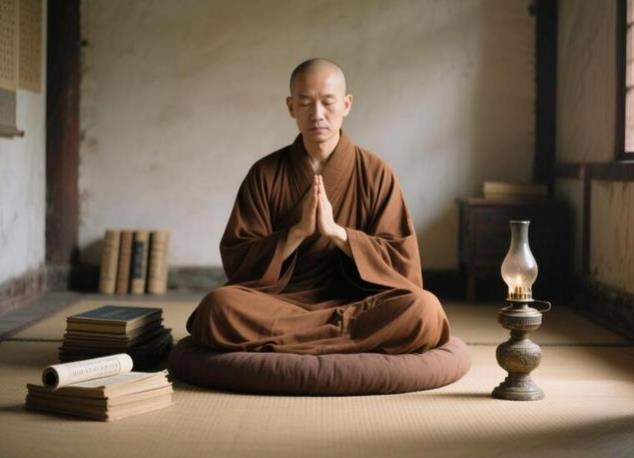
This guide is suitable for complete beginners, as well as readers who have already learned some basics and want to build a regular practice.
Step 1: Begin with steady mindfulness
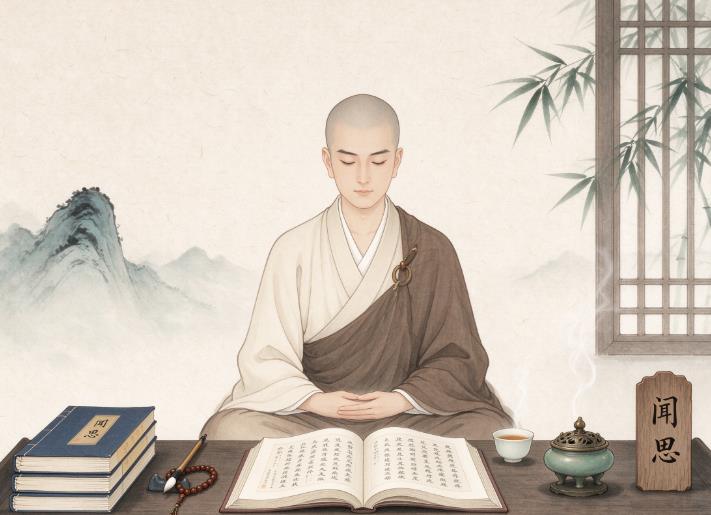
Mindfulness, or clear awareness of the present moment, is an important foundation in Chinese Buddhist practice. It does not require long meditation sessions or immediate study of advanced doctrine.
Start with 5 to 10 minutes a day:
- Sit in a quiet place
- Keep your back naturally upright
- Rest your attention on the breath
- When thoughts arise, do not criticize yourself
- Gently return your attention to the breath
A common beginner mistake is expecting the mind to become instantly quiet. The purpose of meditation is not to suppress thoughts, but to learn how to observe them. Over time, you may notice that a calmer mind helps you see your emotions, speech, and choices more clearly.
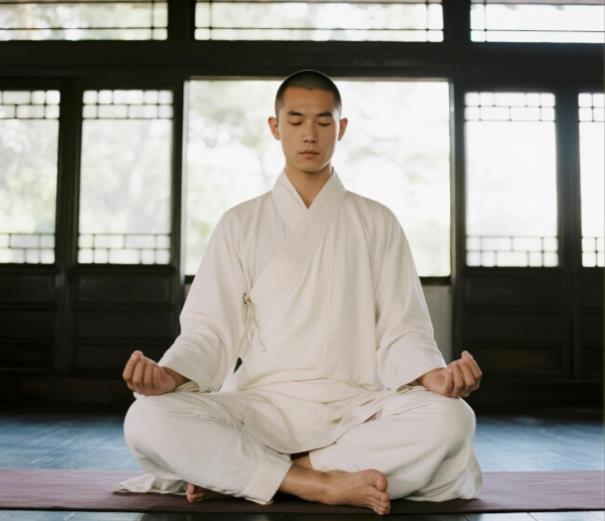
In Chinese Buddhism, especially in the Chan tradition, meditation aims at “seeing one’s true nature.” But beginners do not need to chase special awakening experiences. What matters most is developing stable awareness.
Step 2: Learn basic temple etiquette
Many beginners feel unsure when visiting a Chinese Buddhist temple for the first time. The good news is that most temples welcome sincere learners. The key is to be respectful and quiet.
When visiting a temple:
- Dress neatly and avoid overly revealing clothing
- Enter main halls calmly
- Do not touch Buddha statues, ritual instruments, or offerings
- Ask before taking photos
- If unsure, observe others or ask a monastic or volunteer
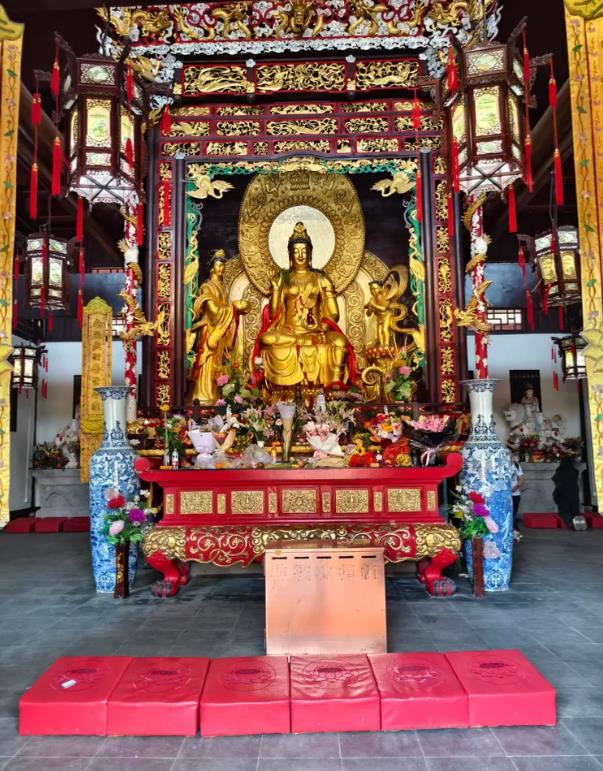
Bowing before a Buddha statue is not superstition. For Buddhist practitioners, it is a way of expressing respect, letting go of pride, and reminding oneself to cultivate goodness. If bowing feels unfamiliar, you may simply place your palms together.
To do this, bring your hands together at chest level and bow slightly. It is a simple gesture, yet it helps cultivate reverence and focus.
Step 3: Try simple chanting or sutra recitation
Pure Land chanting is one of the most accessible practices in Chinese Buddhism. It requires no special equipment and does not demand immediate understanding of deep philosophy.
The most common practice is chanting “Namo Amituofo” (Homage to Amitabha Buddha). You can:
- Chant for 5 to 10 minutes at a fixed time each day
- Chant aloud or silently while walking
- Keep your attention on the Buddha’s name
- Avoid chasing special feelings
- Let the mind gradually settle
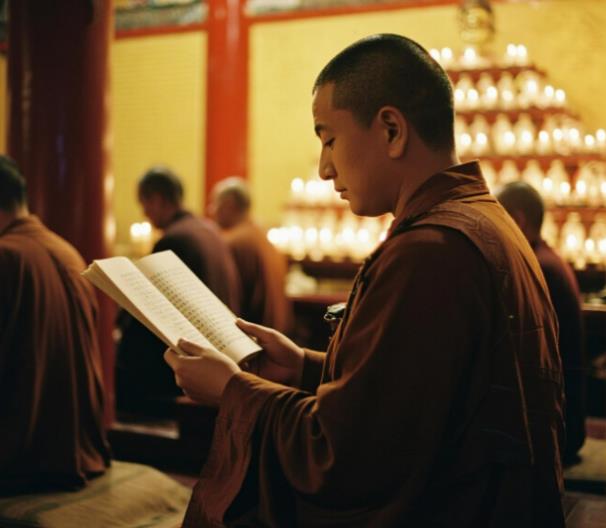
Chanting is not merely repeating sounds. It trains the mind not to be carried away by distractions, and it nurtures reverence, gratitude, and wholesome intention.
If you prefer sutra recitation, you may begin with shorter texts such as the Heart Sutra. It is brief, yet it contains important ideas such as emptiness, non-self, and letting go of attachment. Beginners can follow an audio recording at first without needing to understand every line.
Step 4: Build a sustainable daily routine
The biggest obstacle for beginners is starting too intensely and then losing momentum. A simple, consistent routine is more helpful than occasional long sessions.
A basic daily structure could look like this:
| Time | Practice | Suggested Length |
|---|---|---|
| Morning | Sitting meditation or chanting | 5–10 minutes |
| Daytime | Mindful breathing, kind speech | As needed |
| Evening | Short reflection or sutra reading | 5–15 minutes |
Evening reflection does not need to be complicated. You can ask yourself three questions:
- Did I harm anyone today?
- Did I help anyone today?
- What can I do better tomorrow?
This kind of reflection is close to Buddhist practices of confession and mindful observation. It is not meant to create guilt, but to help you live more consciously.

Step 5: Practice basic Buddhist values
Chinese Buddhist practice is not limited to the meditation cushion. It also appears in everyday behavior. Beginners can start with a few core values:
Non-harming
Try to avoid harming others, including animals and the natural environment. Vegetarianism is an important tradition in Chinese Buddhism, but beginners may proceed gradually. What matters most is cultivating compassion and reducing harm.
Honest and gentle speech
Speak truthfully, kindly, and helpfully. Buddhism emphasizes “right speech,” which means avoiding lies, harsh words, divisive talk, and idle gossip.
Contentment
This does not mean abandoning material life. It means learning not to be controlled by desire. Shopping, eating, and entertainment can all be enjoyed in moderation, without letting them become sources of anxiety.
Gratitude and generosity
Appreciate what you already have, and share time, kindness, or resources when possible. Generosity is not only about donating money; it can also mean listening patiently, offering help, or giving encouragement.
Step 6: Choose reliable learning resources
Beginners often face two extremes: avoiding Buddhist texts altogether, or diving into advanced teachings too soon and becoming confused.
A steadier approach is to:
- Start with introductory materials before reading major sutras
- Choose resources from reputable temples, academic publishers, or established Buddhist organizations
- Be cautious of claims promising “instant enlightenment” or miraculous cures
- Observe and learn when attending temple activities
The Heart Sutra, Diamond Sutra, Platform Sutra, and Amitabha Sutra are frequently mentioned in Chinese Buddhism. Beginners do not need to read all of them immediately. Start with shorter, accessible texts, ideally with guided explanations or audio support.

Common beginner mistakes
Mistake 1: Thinking you must become a monastic
Laypeople can absolutely practice. Chinese Buddhism has a large community of lay practitioners who cultivate through chanting, meditation, sutra recitation, and ethical living.
Mistake 2: Believing you must become vegetarian immediately
Vegetarianism is an important Chinese Buddhist tradition, but beginners may approach it gradually. Understanding non-harming and compassion matters more than creating pressure around food.

Mistake 3: Expecting a thought-free mind during meditation
Thoughts will arise. That is normal. The point of meditation is not to eliminate thoughts, but to stop being carried away by them.
Mistake 4: Assuming Buddhism only concerns the afterlife
Chinese Buddhism does discuss rebirth and Pure Land aspiration, but it also emphasizes present-moment training. Mindfulness, compassion, honesty, and self-restraint directly improve daily life.
Frequently asked questions
Can I learn Chinese Buddhism without being religious?
Yes. Many people begin through meditation, philosophy, or cultural interest. You do not need to accept every belief at once. You can start with mindfulness, ethics, and introductory readings.
How much time should I practice each day?
Ten to twenty minutes a day is enough for beginners. Consistency matters more than duration.

Should I visit a temple first?
If possible, visiting a reputable temple can be very helpful. You can observe chanting, bowing, and temple life, which makes Chinese Buddhism easier to understand.
How do I know if I am making progress?
Do not look for mystical experiences. More practical signs include greater emotional stability, increased patience, less impulsiveness, stronger willingness to take responsibility, and clearer awareness of your thoughts and actions.



There are no comments yet, come and comment~