
After Buddhism was transmitted to China, it developed over two thousand years into a distinctly Chinese tradition known as Chinese Buddhism (汉传佛教). Alongside Tibetan Buddhism, Theravada Buddhism, and Vajrayana Buddhism, it forms one of the major branches of world Buddhism.
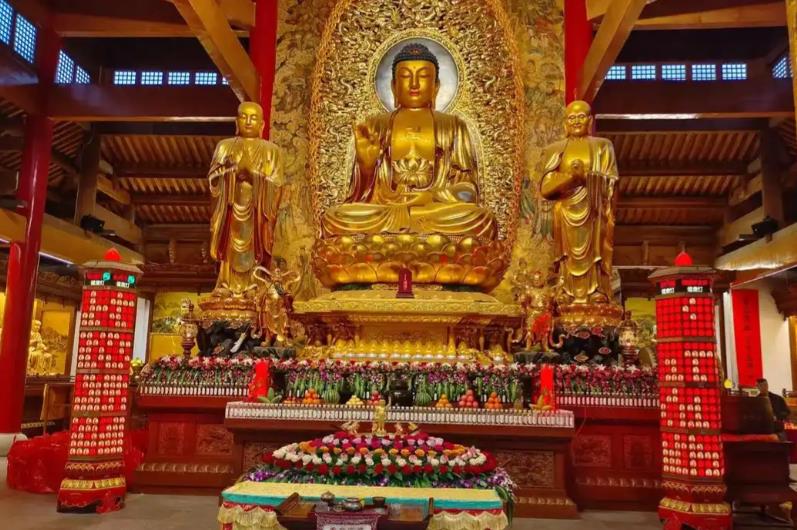
Many people have heard of Buddhism, but few understand what makes the Chinese tradition unique. Chinese Buddhism absorbed Indian Buddhist philosophy while integrating it with indigenous Chinese culture, developing its own monastic institutions, meditation methods, and philosophical systems.
Historical Origins of Chinese Buddhism
Buddhism entered China around the 1st century CE (Eastern Han Dynasty) via the Silk Road from India. Initially regarded as a foreign religion, it coexisted with— and sometimes clashed against — Confucian and Daoist traditions. Over time, Buddhism gradually sinicized, forming a Buddhist tradition with distinctly Chinese characteristics.
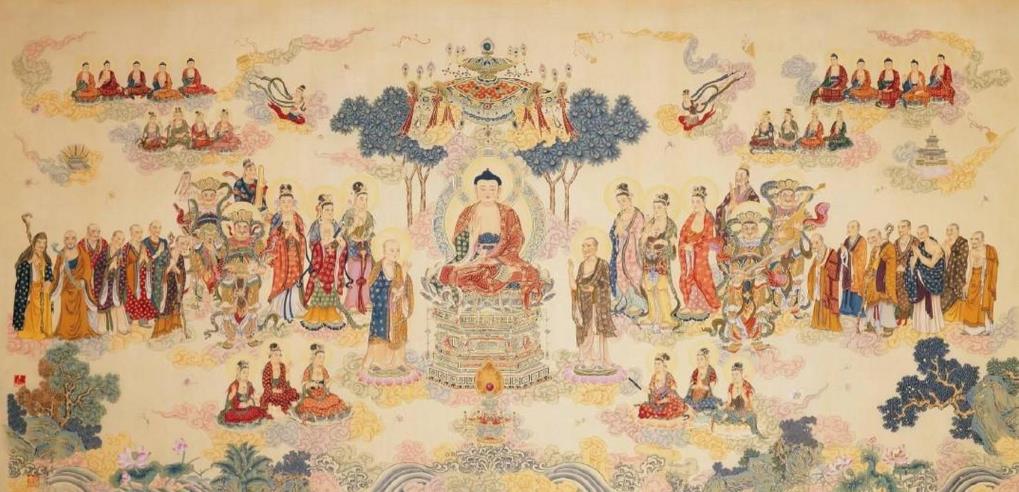
During the Wei-Jin and Northern-Southern Dynasties period, Buddhism spread rapidly in China, and a large number of Buddhist scriptures were translated into Chinese. The Sui and Tang Dynasties marked its golden age, when several distinctly Chinese schools emerged: Tiantai, Huayan, Faxiang, and Sanlun. Later, Chan (Zen) and Pure Land Buddhism became the two most influential schools and remain dominant in Chinese Buddhism today.
Core Doctrines of Chinese Buddhism
Chinese Buddhism inherited the fundamental teachings of Indian Buddhism while developing unique philosophical systems. Here are some core concepts:
The Four Noble Truths
The Four Noble Truths are Buddhism’s most fundamental teaching:
- Dukkha (Suffering): Life is permeated with suffering and dissatisfaction
- Samudaya (Origin): The root of suffering is craving and ignorance
- Nirodha (Cessation): Suffering can cease; liberation (Nirvana) is possible
- Magga (Path): The Noble Eightfold Path leads to the cessation of suffering
The Noble Eightfold Path
The Noble Eightfold Path is Buddhism’s practical guide to practice, consisting of: Right View, Right Intention, Right Speech, Right Action, Right Livelihood, Right Effort, Right Mindfulness, and Right Concentration. It encompasses thought, language, conduct, and mental training.
Dependent Origination and Emptiness
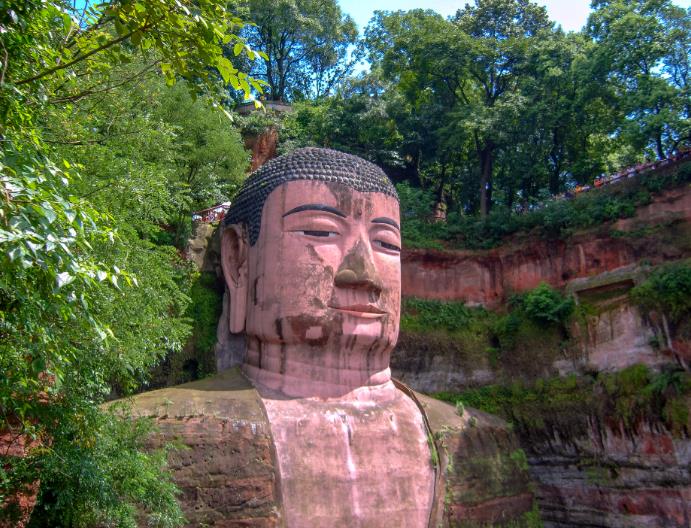
Dependent Origination (Pratityasamutpada) is a central philosophical concept in Buddhism. It teaches that all phenomena arise in dependence upon causes and conditions — nothing exists independently. Because things lack independent, permanent essence, they are “empty” (Sunyata).
“Emptiness” does not mean nothingness. It means that phenomena have no fixed, independent self-nature. This idea was fully developed in Mahayana Buddhism and became a cornerstone of Chinese Buddhist philosophy.
Karma and Rebirth
Karma refers to the causal power of action. Skillful actions produce favorable results; unskillful actions produce suffering. Beings, driven by ignorance and attachment, cycle through repeated existence (samsara). The goal of Buddhist practice is to transcend this cycle and attain liberation.
Chinese Buddhism particularly emphasizes that “karma never fails,” encouraging people to cultivate goodness and accumulate merit.
Pure Land Devotion
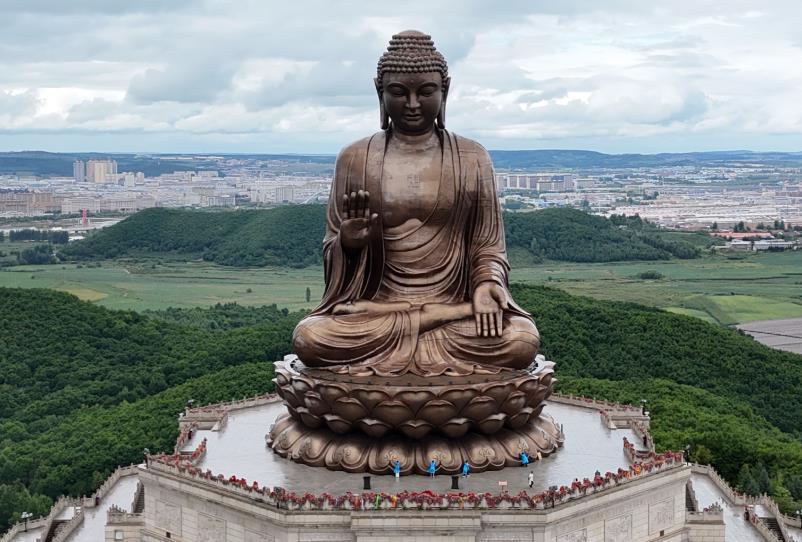
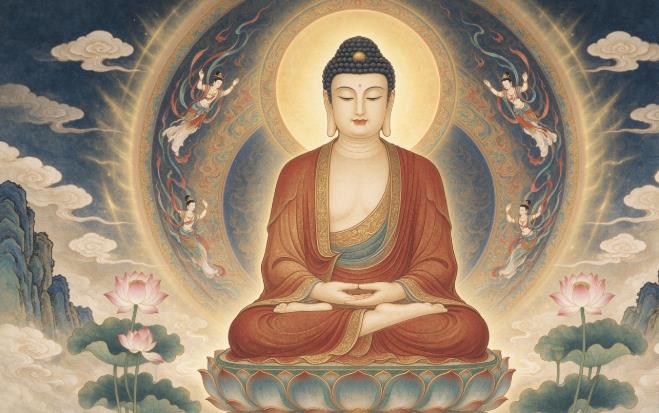
Pure Land Buddhism is one of the most widely practiced schools in Chinese Buddhism. It teaches that by chanting the name of Amitabha Buddha (“Namo Amituofo”), practitioners can be reborn in the Western Pure Land — a realm conducive to attaining enlightenment. Pure Land practice is simple and accessible to people of all capacities, which explains its deep popularity among ordinary believers.
Major Schools of Chinese Buddhism
Throughout history, Chinese Buddhism developed many schools. The most influential include:
| School | Key Texts | Practice Focus |
|---|---|---|
| Chan (Zen) | Platform Sutra, etc. | Direct seeing into one’s nature, sudden enlightenment |
| Pure Land | Amitabha Sutra, etc. | Chanting Buddha’s name, rebirth in Pure Land |
| Tiantai | Lotus Sutra, etc. | Calm-abiding and insight, “three thousand in one thought” |
| Huayan (Avatamsaka) | Avatamsaka Sutra, etc. | Interpenetration of all phenomena, non-obstruction |
| Faxiang (Yogacara) | Yogacarabhumi, etc. | Consciousness-only, transforming consciousness into wisdom |
| Vinaya | Dharmaguptaka Vinaya, etc. | Monastic discipline and ethical conduct |
Among these, Chan and Pure Land have had the widest influence. The tradition of “Chan and Pure Land practiced together” (禅净双修) remains common — many temples practice both meditation and Buddha-name chanting, seeing them as complementary rather than contradictory.
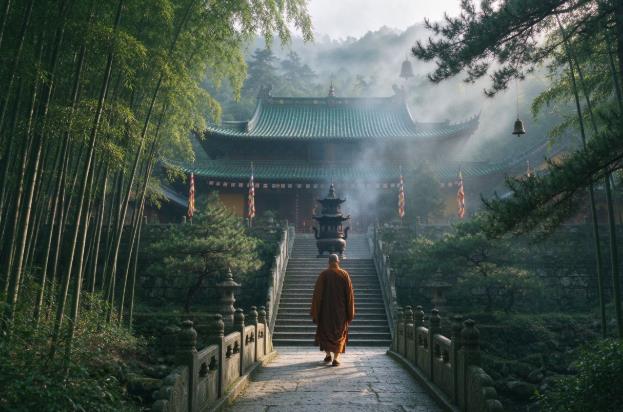
Practices in Chinese Buddhism
Chinese Buddhist practice is rich and diverse, including:
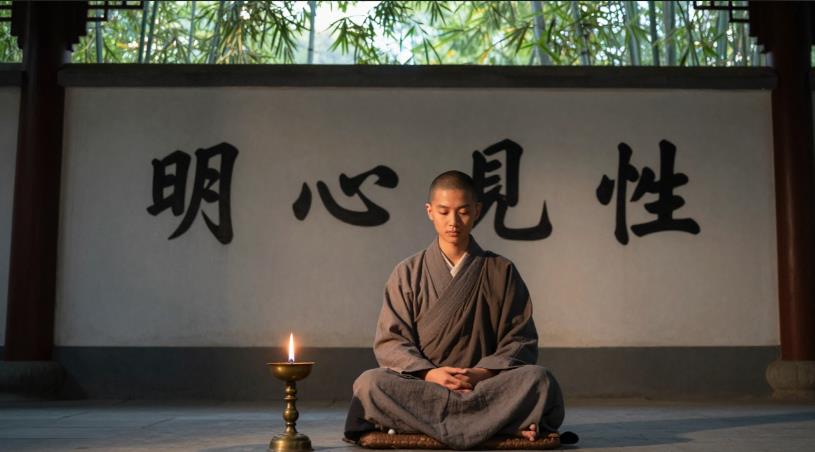
Meditation (Chan)
Meditation is one of the most important practices in Chinese Buddhism. The Chan school especially emphasizes meditation, teaching “direct pointing to the human mind, seeing one’s nature and becoming a Buddha.” Meditation is not limited to sitting; it also includes mindful awareness in daily activities.
Buddha-Name Chanting
Chanting the name of Amitabha Buddha is the core practice of Pure Land Buddhism. By repeatedly chanting “Namo Amituofo,” practitioners focus the mind, purify the heart, accumulate merit, and aspire for rebirth in the Pure Land.
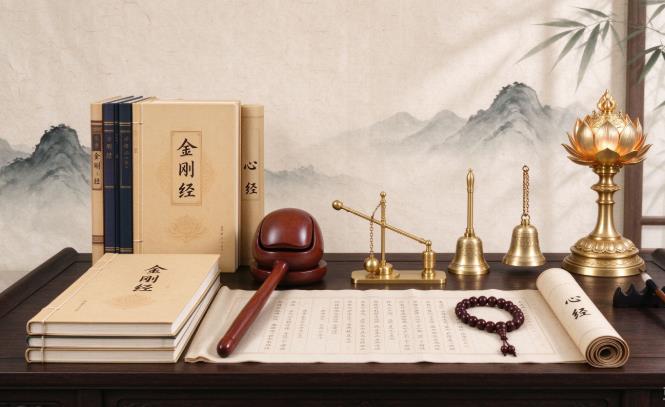
Scripture Recitation and Mantra Practice
Reciting sutras and chanting mantras are common practices. Through these, practitioners deepen their understanding of the Dharma while purifying the mind and accumulating merit.
Good Deeds and Giving
Chinese Buddhism emphasizes “benefiting oneself and others.” Practitioners are encouraged to practice generosity (dana), refrain from harming living beings, and cultivate compassion — not only for their own liberation but for the welfare of all beings.
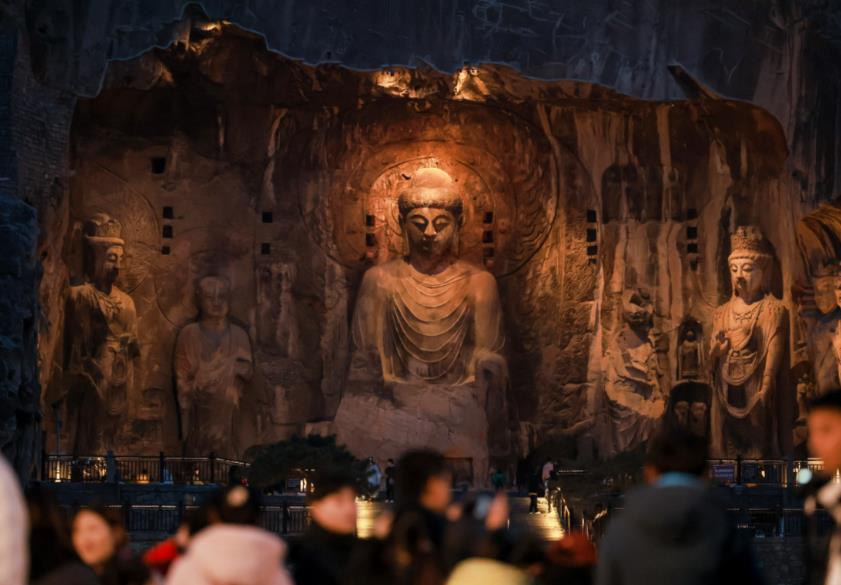
Chinese Buddhism and Chinese Culture
Chinese Buddhism has profoundly influenced Chinese culture:
- Philosophy: Chan thought deeply influenced Neo-Confucianism and literati philosophy
- Literature and Art: Buddhist themes enriched poetry, novels, and painting
- Language: Countless Buddhist terms entered everyday Chinese, such as “world” (世界), “cause and effect” (因果), “affliction” (烦恼), “awakening” (觉悟)
- Architecture: Buddhist temples blended Indian stupa forms with Chinese architectural styles
- Food Culture: Buddhist vegetarian traditions influenced Chinese dietary practices
Common Misunderstandings
Misunderstanding 1: Buddhism is superstition
Buddhism has a complete philosophical system and practical methods. It is not mere superstition. While folk Buddhism may incorporate superstitious elements, the core teachings emphasize wisdom and liberation.
Misunderstanding 2: Buddhism is escapist
While Buddhism encourages monastic life, it also teaches practitioners to live ethically in the world. Mahayana Buddhism especially emphasizes engaged practice — benefiting others as part of one’s own spiritual development.
Misunderstanding 3: Buddhism is only Asian
Although Buddhism originated in India and flourished in Asia, its teachings have universal relevance. Today, Buddhism has a significant presence in the West with many practitioners and teachers.
Frequently Asked Questions
How is Chinese Buddhism different from Tibetan Buddhism?
Chinese Buddhism is practiced primarily in Han Chinese regions and follows the Mahayana tradition. Tibetan Buddhism preserves many Vajrayana (esoteric) practices. They differ in meditation methods, monastic systems, and scriptural lineages, but share core Buddhist teachings.
Does Chinese Buddhism have gods?
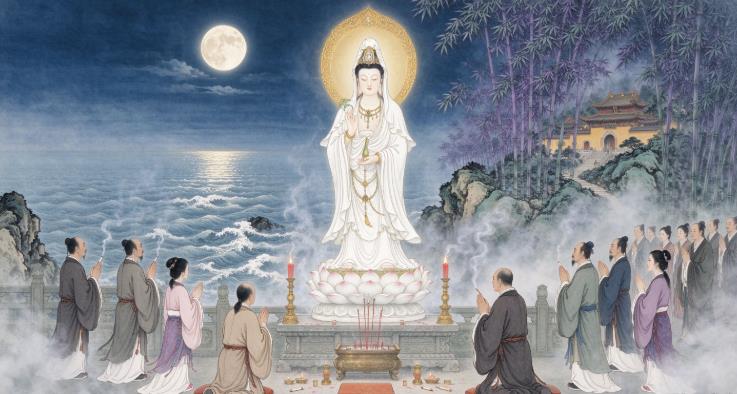
Chinese Buddhism includes Buddhas, Bodhisattvas, and protective deities, but they are not creator gods or supreme rulers. A Buddha is an awakened being, a Bodhisattva is a compassionate practitioner who delays final nirvana to help others, and protective deities are beings who vow to guard the Dharma.
Can ordinary people learn Buddhism?
Yes. Buddhism welcomes anyone interested in its teachings. One does not need to become a monastic to practice. Beginners can start by reading scriptures, attending meditation sessions, and cultivating kindness.
Is Chinese Buddhism still influential today?
Yes. Chinese Buddhism remains active in Taiwan, Hong Kong, Southeast Asian Chinese communities, and the Western world. Many temples continue to serve as important centers of practice, culture, and education.



There are no comments yet, come and comment~