
Classical Chinese poetry is one of the oldest continuous poetic traditions in the world. For more than two thousand years, poetry has been central to Chinese education, social life, political expression, and personal emotion.
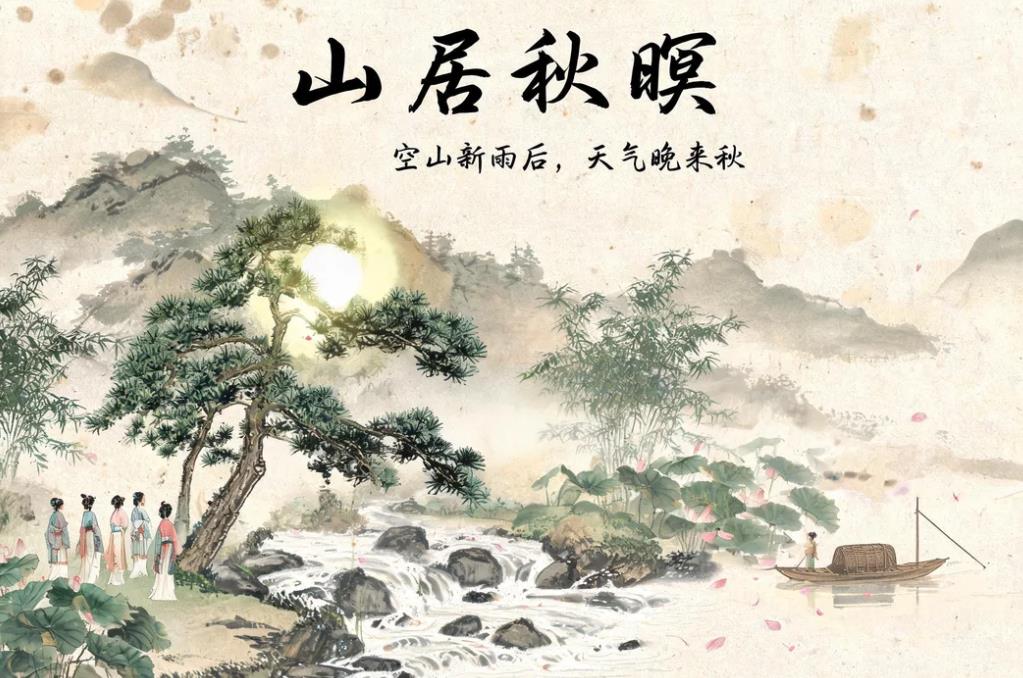
This guide introduces the major stages of classical Chinese poetry. It focuses on cultural history, poetic forms, and representative poets rather than providing line-by-line translations or exhaustive literary analysis.
The Book of Songs: China’s Earliest Poetry Collection
The Book of Songs, also known as the Shijing or Classic of Poetry, is generally regarded as China’s earliest collection of poetry. It contains poems dating roughly from the Western Zhou to the Spring and Autumn period.
The poems cover many aspects of early Chinese life: farming, courtship, marriage, warfare, ritual, political complaint, and seasonal change. Their language is often simple and direct, yet carefully structured.
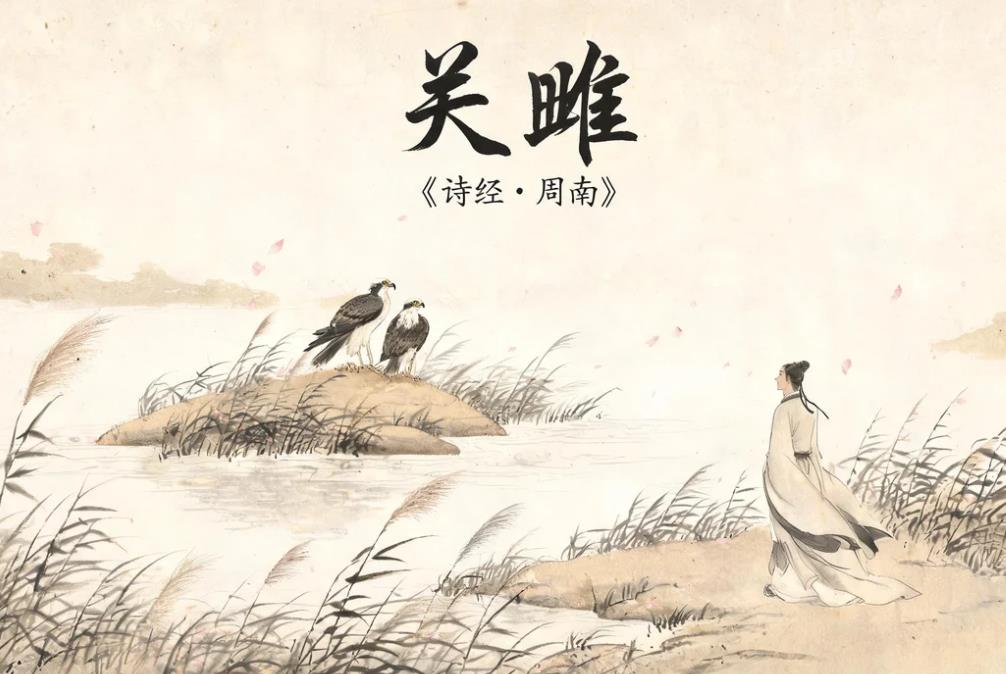
The Book of Songs established several lasting features of Chinese poetry:
- Short, rhythmic lines;
- Repetition and parallel phrasing;
- Use of natural images to express human feeling;
- A close connection between poetry and social life.
It later became one of the Confucian classics, which helped preserve its cultural authority for centuries.
Chu Ci and the Romantic Tradition
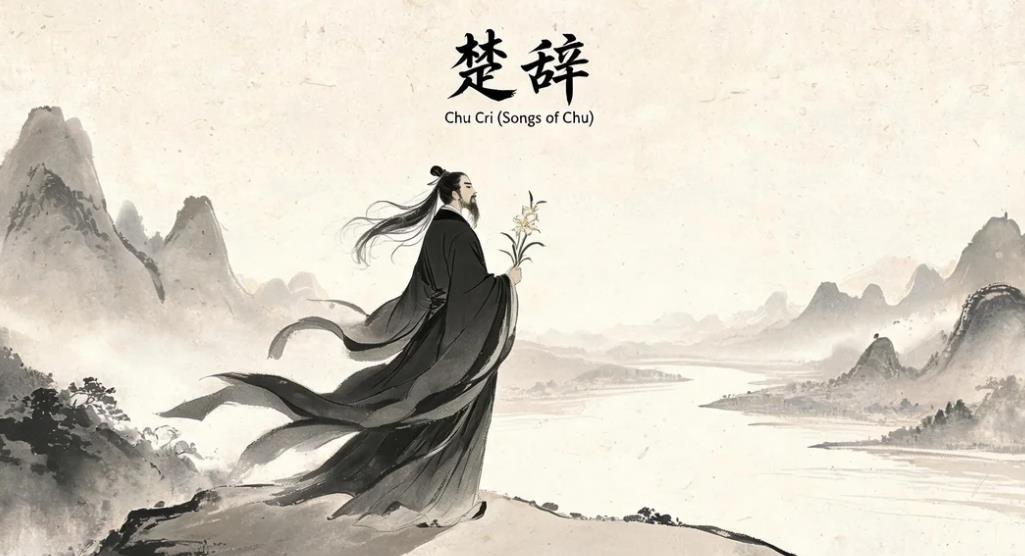
If the Book of Songs represents an early northern tradition, Chu Ci, or Songs of Chu, represents a more imaginative and personal style from southern China.
The most famous poet associated with this tradition is Qu Yuan, who lived during the Warring States period. His long poem Li Sao, often translated as Encountering Sorrow or The Lament, blends political disappointment, personal integrity, mythological imagery, and shamanistic travel through a symbolic spiritual world.
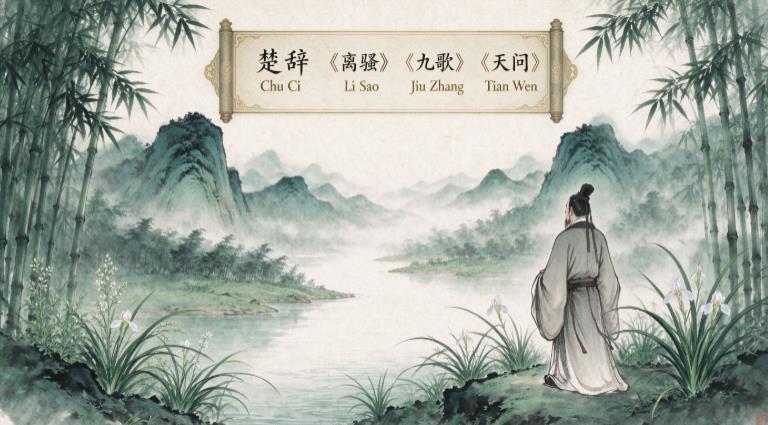
Chu Ci is known for:
- Longer, more flexible lines;
- Rich mythological references;
- Strong personal emotion;
- A dreamlike, visionary tone.
This tradition helped expand Chinese poetry beyond everyday description into the realms of imagination, moral struggle, and spiritual questioning.
Han Dynasty Poetry and Yuefu
During the Han dynasty, poetry continued to develop in several directions. One important form was fu, a descriptive prose-poem that often celebrated imperial power, nature, or court life.
Another influential tradition was yuefu, or Music Bureau poetry. Yuefu poems were originally connected with folk songs and official music collection. They tend to be more narrative and emotionally direct than earlier court poetry.
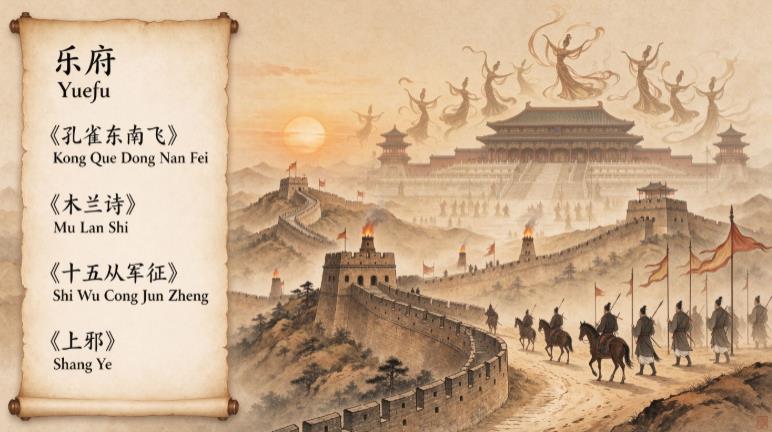
Many yuefu poems describe ordinary people’s lives: soldiers far from home, abandoned wives, travelers, farmers, and women waiting for loved ones. This tradition kept poetry closely tied to lived experience.
The Golden Age: Tang Poetry
The Tang dynasty is widely considered the golden age of Chinese poetry. During this period, poetry became part of civil service examinations, court culture, friendship, farewell, travel, and daily reflection.
Two poetic forms became especially important:
- Shi, especially regulated verse and quatrain forms;
- Short, highly concentrated poems that balance image, emotion, and musical rhythm.
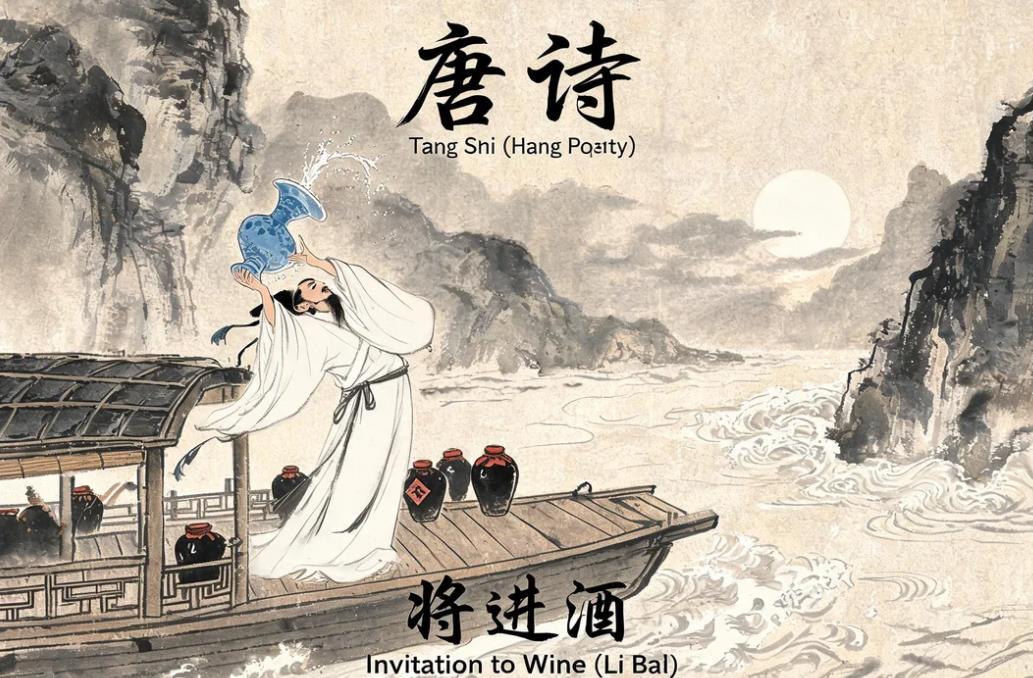
Tang poetry is admired for its clarity, emotional restraint, and vivid imagery. Common themes include mountains, rivers, moonlight, wine, friendship, separation, war, exile, and the passage of time.
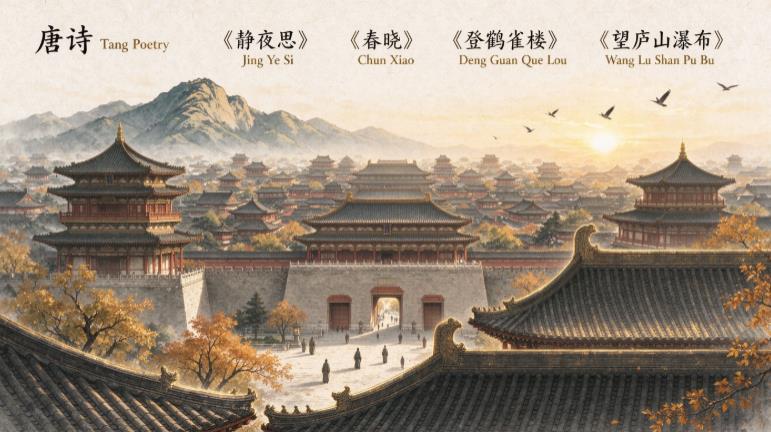
Three of the most famous Tang poets are:
- Li Bai, known for his romantic imagination, love of wine, and free-spirited tone;
- Du Fu, known for his moral seriousness, historical awareness, and compassion for ordinary people;
- Wang Wei, known for his quiet, meditative poems that blend landscape and Buddhist sensibility.
Tang poetry did not only belong to professional writers. Officials, monks, courtesans, travelers, and educated families all participated in poetic culture. Writing and exchanging poems was a common social practice.
Song Ci: Poetry Set to Music
After the Tang dynasty, the Song dynasty saw the rise of ci, a poetic form originally written to fit existing musical tunes.
Unlike the relatively fixed line lengths of Tang shi, ci poems have uneven line lengths determined by their tune patterns. This gives them a more flexible, songlike rhythm.
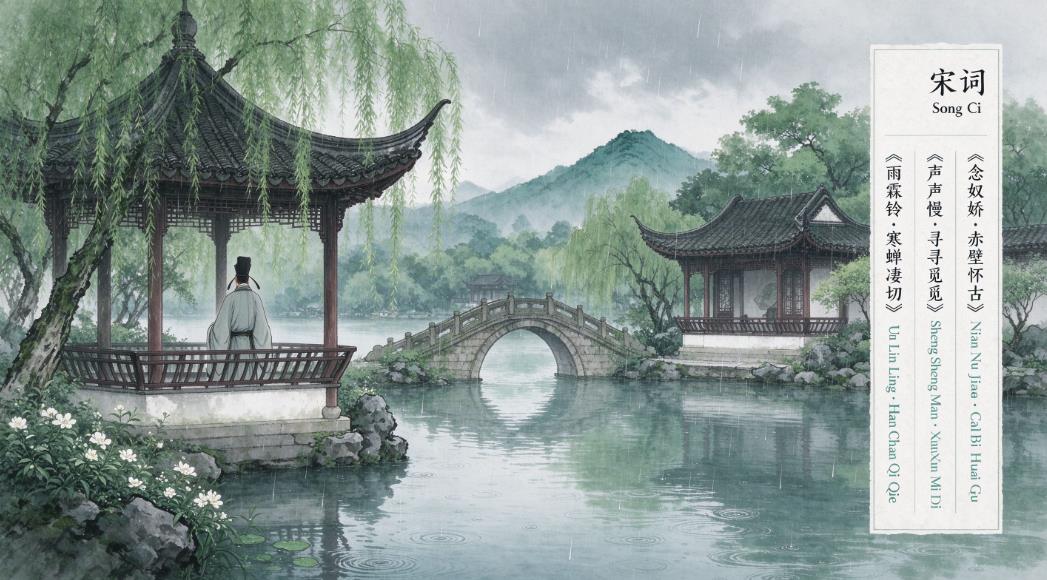
Ci poetry often explores more intimate emotions: love, longing, parting, nostalgia, aging, and the beauty of nature. Two major stylistic directions are sometimes described as:
- The graceful and restrained style, often associated with poets such as Liu Yong and Li Qingzhao;
- The bold and expansive style, often associated with poets such as Su Shi and Xin Qiji.
Su Shi is especially important because he broadened the scope of ci poetry. He wrote about history, philosophy, politics, friendship, and personal resilience, not only romantic feeling.
Li Qingzhao, one of the most celebrated women poets in Chinese literary history, is known for her delicate language, emotional precision, and powerful expressions of loss.
Yuan Qu and Later Poetic Forms
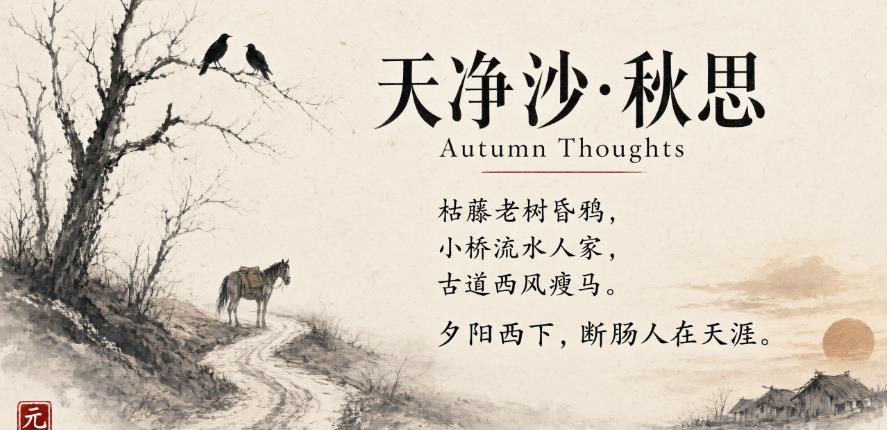
During the Yuan dynasty, qu, or Yuan drama songs, became an important literary form. Qu were closely connected with theater and popular performance.
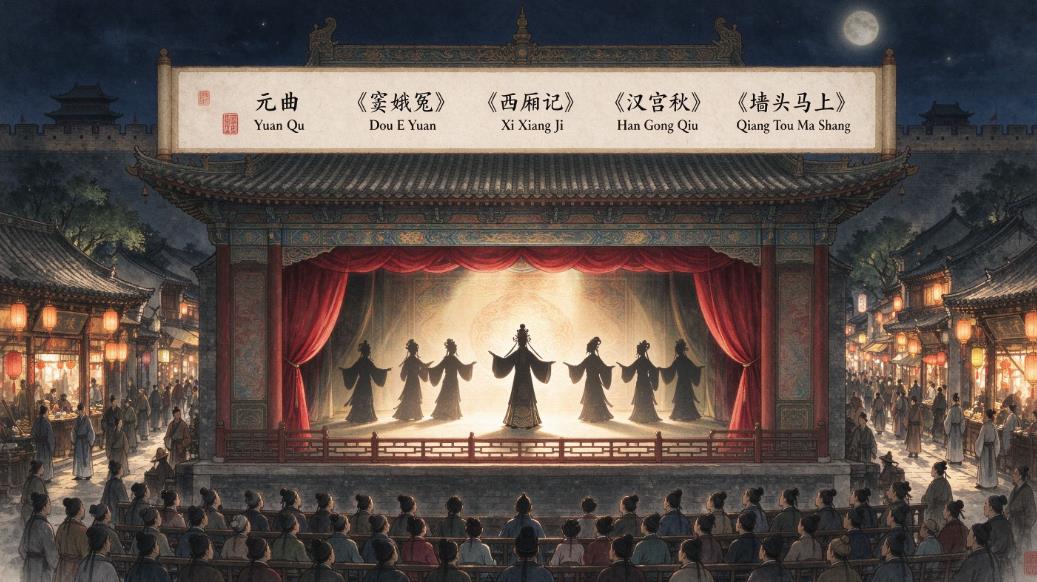
Compared with Tang poetry and Song ci, Yuan qu often uses more colloquial language and humorous or satirical tones. This reflects a gradual shift toward vernacular expression in later Chinese literature.
By the Ming and Qing periods, classical poetry remained highly respected, but fiction and drama also gained new prominence. Poetry continued to be written and admired, yet it no longer held the same exclusive cultural position.
Major Themes in Classical Chinese Poetry
Classical Chinese poetry returns repeatedly to certain themes:
- Nature as a mirror for human emotion;
- Separation between friends, lovers, and family;
- Exile and political disappointment;
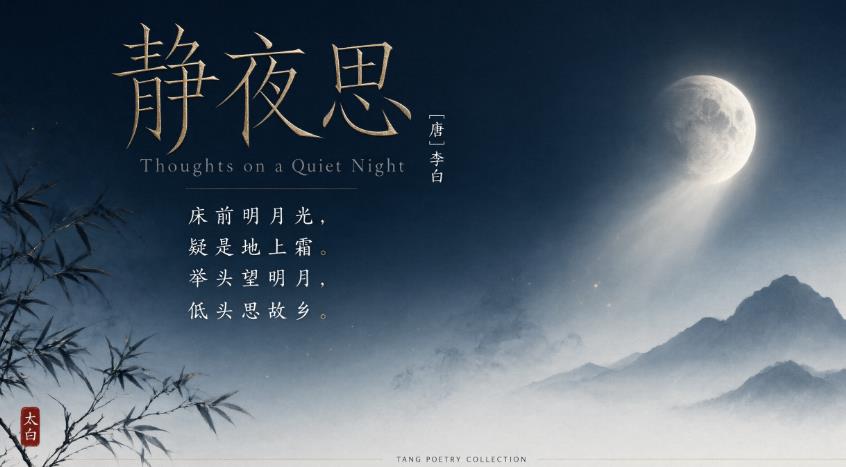
- The moon, especially as a symbol of longing and reunion;
- Wine, representing freedom, friendship, or escape;
- Time, especially the contrast between enduring nature and fleeting human life;
- Moral integrity, especially in times of political disorder.
These themes are not only literary devices. They reflect traditional Chinese ideas about harmony between humans and nature, the importance of memory, and the moral responsibilities of the educated person.
How Classical Poetry Was Used
Classical poetry was never only “literature” in a narrow sense. It served many social functions:
- Expressing political criticism indirectly;
- Strengthening friendships through exchanged verses;
- Marking farewells, festivals, and journeys;
- Demonstrating learning and refinement;
- Preserving historical memory;
- Cultivating emotional balance and moral sensibility.
In traditional China, knowing poetry was part of being an educated person. Poetry appeared in letters, banquets, examinations, gardens, paintings, and even everyday conversation.
Classical Poetry and Chinese Painting
Poetry and painting have long been connected in Chinese culture. Many classical Chinese paintings include poetic inscriptions, and many poems create visual scenes as carefully as a painter would.
This relationship is sometimes described as “poetry within painting, painting within poetry.” Both arts value suggestion over explanation, empty space over crowded detail, and emotional resonance over literal description.
Common Misunderstandings
One misunderstanding is that classical Chinese poetry is always difficult and mysterious. While some poems contain historical references, many are surprisingly direct in their emotional expression.
Another misunderstanding is that all classical poetry follows the same form. In fact, Chinese poetry includes many forms: four-character lines, five-character lines, seven-character lines, regulated verse, quatrains, ci tunes, and qu songs.
A third misunderstanding is that classical poetry belongs only to the past. Its forms may be historical, but its themes—love, loss, nature, friendship, and the passage of time—remain widely relatable.
Frequently Asked Questions
What is the oldest Chinese poetry collection?
The Book of Songs, or Shijing, is generally considered China’s earliest poetry collection. It contains poems from roughly the Western Zhou to the Spring and Autumn period.
Who is the most famous Chinese poet?
Li Bai and Du Fu are among the most widely known Tang poets. Li Bai is often associated with romantic freedom, while Du Fu is known for historical depth and moral concern.
What is the difference between Tang shi and Song ci?
Tang shi usually has more regular line lengths and is associated with the poetic golden age of the Tang dynasty. Song ci follows musical tune patterns and often has uneven line lengths, giving it a more songlike rhythm.
Is classical Chinese poetry still read today?
Yes. Classical poetry remains an important part of Chinese education and cultural life. Many people continue to memorize, recite, and enjoy these poems.



There are no comments yet, come and comment~