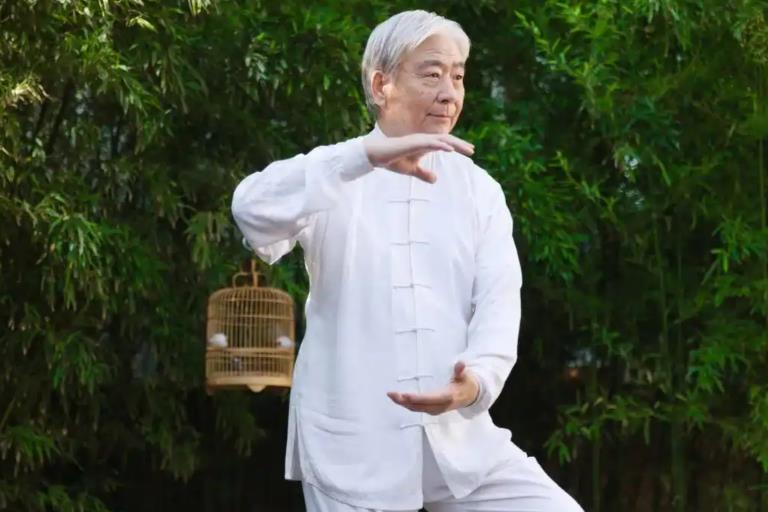
Qigong is a broad term for traditional Chinese practices that combine gentle movement, breath awareness, posture, and mental focus. It is often described as a mind-body practice rooted in Chinese cultural history.
The word qigong is commonly understood as “qi” and “gong.” In traditional usage, qi may refer to breath, vitality, or life energy, while gong suggests cultivated skill, practice, or work developed over time. Together, the term points to a long tradition of training breath, body, and attention.
This article introduces qigong from a cultural and historical perspective. It does not provide medical advice, treatment recommendations, or step-by-step practice instructions.
The Meaning of “Qigong”
“Qigong” is a modern umbrella term. It covers many practices that may differ in form, purpose, and historical background. Some traditions emphasize slow movement, others focus on standing posture, breath regulation, meditation, or self-massage.
In Chinese, the term can be understood in several ways:
- Qi may refer to breath, air, vitality, or a traditional concept of life energy;
- Gong may refer to skill, training, effort, or accomplishment developed through practice.
So qigong can be loosely understood as “the practice of cultivating breath and vitality” or “the work of training body and mind.” These are cultural descriptions, not clinical definitions.
Ancient Roots in Daoyin and Breath Practices
Qigong did not appear as a single, fixed system. Its roots can be traced to older Chinese practices such as daoyin, tu na, and yangsheng.
Daoyin refers to traditional exercises that guide the body through stretching, bending, and gentle movement. Early daoyin practices were often linked with health preservation, flexibility, and circulation of breath.
Tu na refers to breath regulation, especially the idea of exhaling the old and inhaling the new. This concept appears in early Chinese texts and reflects a long interest in breath as a bridge between body and mind.
Yangsheng means “nourishing life.” It includes dietary habits, seasonal living, emotional balance, rest, and gentle movement. Qigong is often discussed within this broader cultural framework.
Early Evidence and Historical Development
Archaeological finds and classical texts suggest that breath and movement practices have existed in China for thousands of years. One well-known example is the Mawangdui Daoyin Tu, a silk painting from the Han period that depicts figures performing various stretching and movement postures.
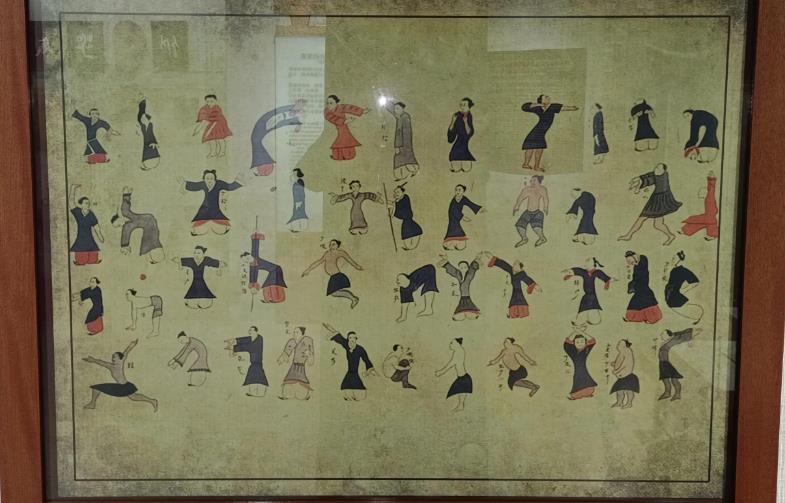
Early practices were not identical to modern qigong classes. They were shaped by local customs, medical ideas, Daoist self-cultivation, Confucian discipline, martial training, and Buddhist meditation. Over time, these traditions influenced one another.
During the twentieth century, the term “qigong” became more widely used to describe these related practices. This helped bring different traditions into a shared vocabulary, but it also made the term broader and sometimes harder to define.
Qigong in Traditional Chinese Thought
Qigong is closely connected to several classical Chinese ideas. These include:
- Qi as breath and vitality;
- Jing, often understood as essence;
- Shen, often understood as spirit or awareness;
- Yin and Yang, representing complementary opposites;
- The Five Phases, a traditional way of describing change and relationship.
These concepts belong to traditional Chinese philosophy and cosmology. They are useful for understanding how qigong has been discussed in cultural texts, but they should not be treated as modern biomedical categories.
Different Styles and Lineages
Qigong includes many styles. Some are associated with martial arts, others with health preservation, meditation, or spiritual cultivation. Common categories include:
- Medical qigong, linked with traditional Chinese health ideas;
- Martial qigong, connected with martial arts training;
- Daoist qigong, related to Daoist self-cultivation;
- Buddhist qigong, influenced by Buddhist meditation and breath practices;
- Confucian qigong, connected with moral discipline and mental calm.
These categories overlap. A single practice may belong to more than one tradition depending on how it is taught and understood.
Qigong, Daoism, and Self-Cultivation
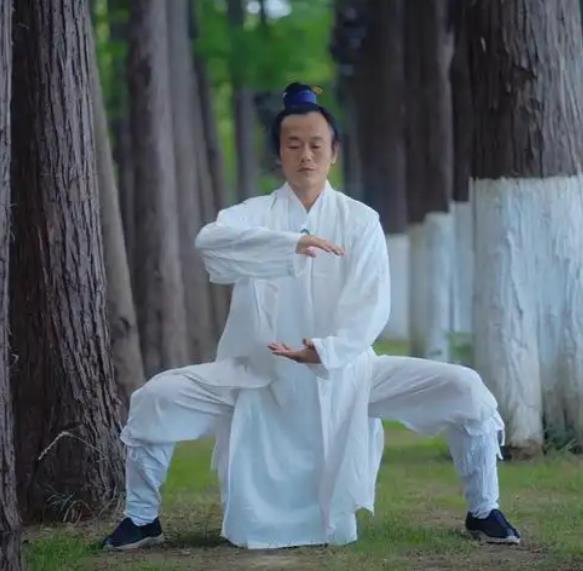
Daoism has had a strong influence on qigong culture. Daoist texts often emphasize harmony with nature, simplicity, softness, and inner stillness. Practices such as standing meditation, breath regulation, and gentle movement have been discussed within Daoist self-cultivation traditions.
However, not all qigong is Daoist, and not all Daoist practice is qigong. The relationship is historical and cultural rather than absolute.
Qigong in Everyday Chinese Life
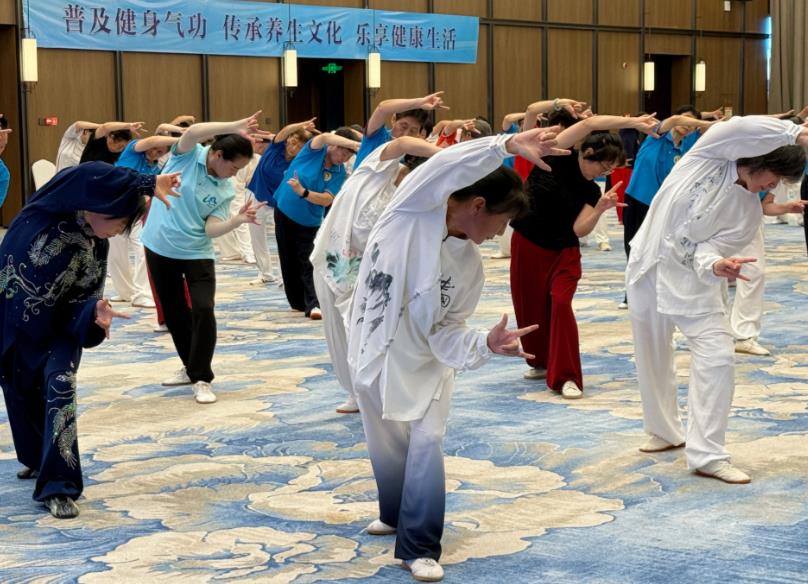
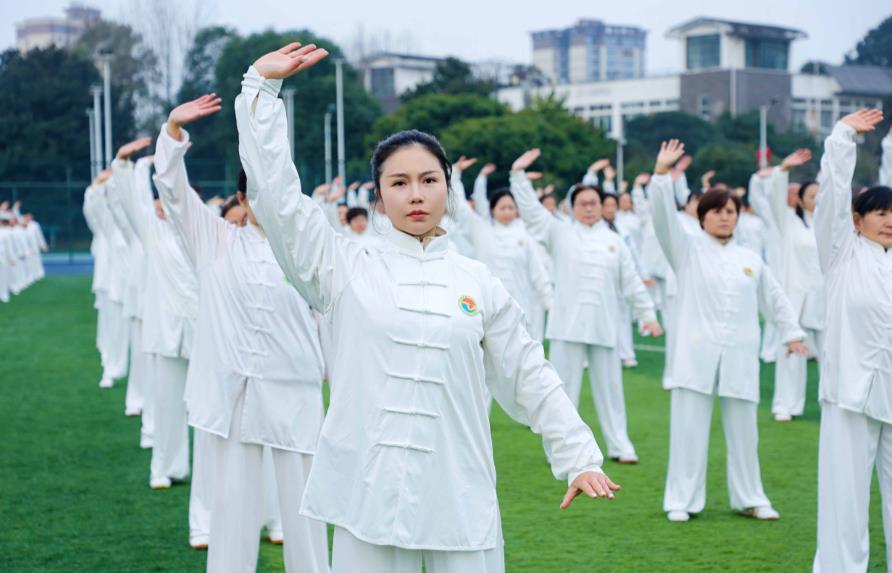
In modern China, qigong is often seen in parks, community squares, and gardens. People may practice slow movements in the morning, stand quietly, coordinate breath with posture, or follow a teacher’s routine.
For many practitioners, qigong is part of daily rhythm. It may serve as a way to relax, stretch, focus the mind, or connect with others. These social and cultural aspects are as important as the physical movements themselves.
Qigong and Modern Wellness
Outside China, qigong is sometimes grouped with meditation, yoga, tai chi, and other mind-body practices. Many people are drawn to it for relaxation, stress relief, balance, or gentle exercise.
From a cultural perspective, qigong offers insight into how Chinese tradition understands the relationship between breath, movement, emotion, and nature. It reflects a worldview in which health is not only about treating illness, but also about maintaining harmony in daily life.
Common Misunderstandings
One common misunderstanding is that qigong is a single standardized exercise. In reality, it includes many styles, schools, and purposes.
Another misunderstanding is that all qigong claims should be taken as medical fact. Some descriptions come from traditional theory, personal experience, or cultural belief. They are not substitutes for scientific evidence or professional medical care.
A third misunderstanding is that qigong must involve mystical powers. While some historical texts use symbolic language, many people practice qigong simply as a gentle form of movement, breath training, and mental focus.
Safety and Responsible Practice
Qigong is generally practiced as a gentle mind-body activity, but it is not suitable for everyone in every situation. People with health conditions, injuries, pregnancy, or psychological concerns should seek professional advice before beginning any new practice.
Readers should not use qigong to replace medical diagnosis or treatment. If discomfort, pain, dizziness, or emotional distress arises during practice, it is wise to stop and consult a qualified professional.
This article is for cultural and educational reference only. It does not provide medical advice or step-by-step practice guidance.
Frequently Asked Questions
What does qigong mean?
Qigong is commonly understood as the practice of cultivating breath, vitality, and mindful awareness through movement, posture, and breath regulation.
Is qigong the same as tai chi?
No. Tai chi is a martial art and movement practice with its own forms and traditions. It shares some similarities with qigong, but they are not the same.
How old is qigong?
Breath and movement practices in China have ancient roots. Early forms such as daoyin appear in historical and archaeological sources, while the modern term “qigong” became more common in the twentieth century.
Can qigong cure diseases?
Qigong should not be presented as a cure for disease. It may be practiced as a cultural mind-body activity, but medical conditions require professional evaluation and treatment.



There are no comments yet, come and comment~