Chinese Materia Medica, known in Chinese as bencao, refers to the traditional body of knowledge about natural substances used in Chinese healing and food culture. It includes plants, minerals, animal-derived materials, and other substances recorded over centuries of observation and practice.
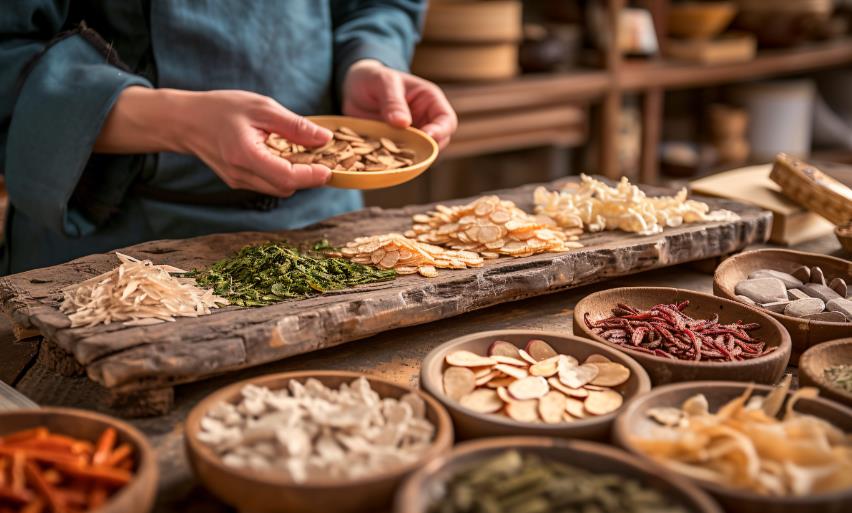
This article introduces the history, key texts, and cultural ideas behind Chinese Materia Medica. It is written for cultural and educational reference only and does not provide medical advice, prescriptions, or treatment recommendations.
What Does “Bencao” Mean?
The word bencao is often translated as “materia medica,” but it does not mean only “medicine” in the modern sense. Ben can refer to roots or plant-based materials, while cao refers to herbs or grasses. Over time, the term came to include a much wider range of natural substances.
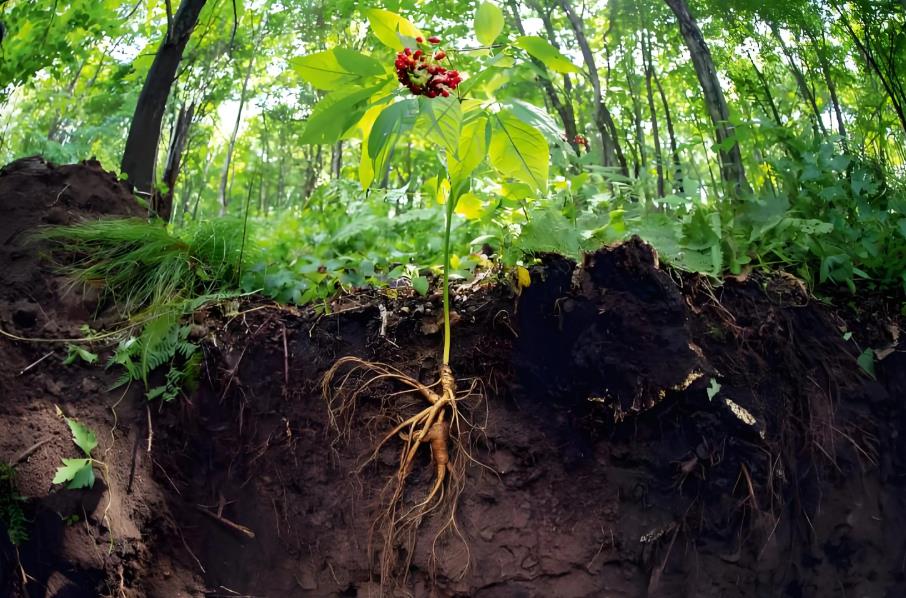
In traditional Chinese culture, the boundary between food and herbal substances was not always strict. Many ingredients appear in both kitchens and historical herbals. This overlap is one reason why Chinese Materia Medica is closely connected to food culture, seasonal customs, and daily life.
Early Origins and Oral Traditions
Knowledge of natural substances in China developed gradually. Early communities observed which plants were edible, which caused discomfort, and which seemed to bring relief under certain conditions. This knowledge was passed down through oral tradition before being recorded in writing.
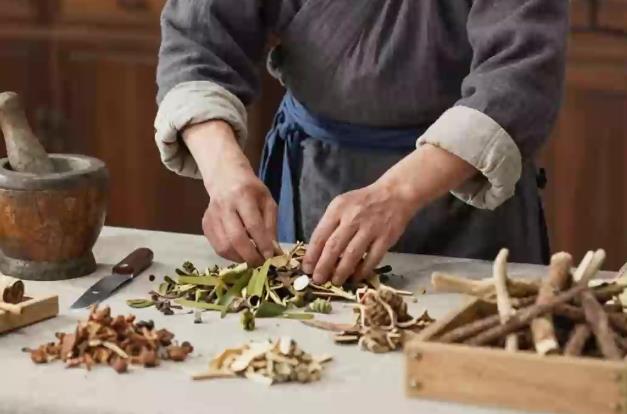
Early records did not separate healing, agriculture, diet, and ritual as clearly as modern disciplines do. Plants and other natural materials were understood through experience, local ecology, and inherited practice.
The Shennong Legend
Shennong, often called the “Divine Farmer,” is a cultural figure associated with agriculture, herbs, and early Chinese food culture. According to legend, he tasted many plants to understand their properties.
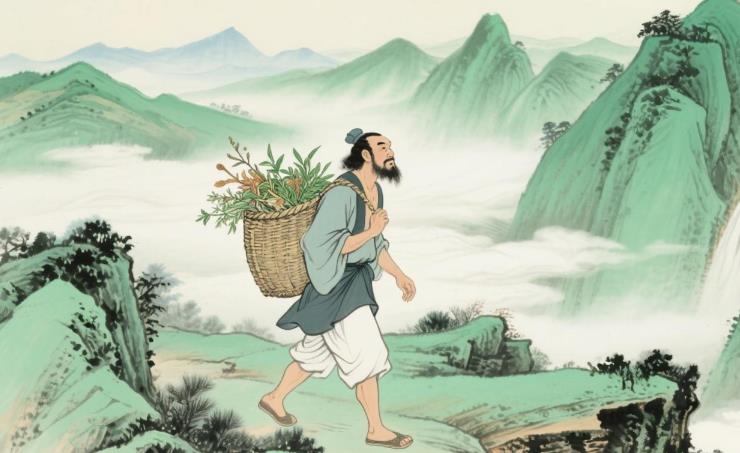
This story should not be read as a literal historical account. It expresses an important cultural idea: that knowledge of natural substances came from long-term observation, careful experience, and concern for community well-being. Shennong remains a symbolic figure rather than a verified individual author of early herbals.
The Shennong Bencao Jing
The Shennong Bencao Jing, or Shennong’s Classic of Materia Medica, is one of the earliest known Chinese herbal texts. It was not written by Shennong himself, but attributed to him as a sign of respect and cultural authority.
The text classifies substances into three broad categories:
- Upper-grade substances, traditionally associated with nourishment and long-term use;
- Middle-grade substances, seen as having more balanced or regulating qualities;
- Lower-grade substances, often described as stronger and used with greater caution.
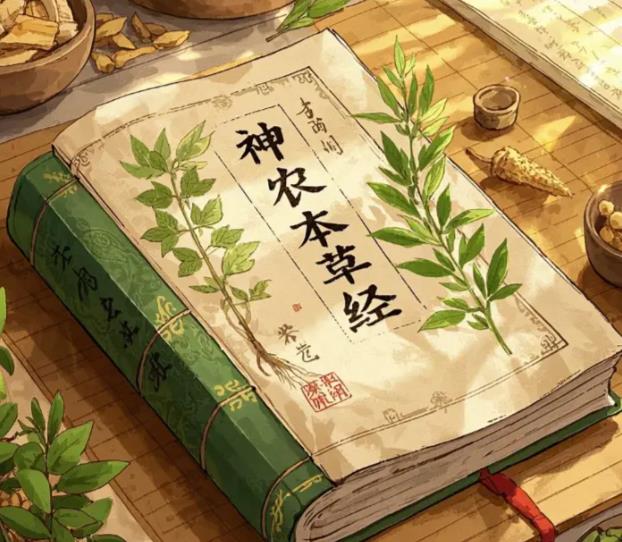
This classification reflects early Chinese thinking about balance, suitability, and the relationship between substances and the body. It is a historical framework, not a modern medical grading system.
Expansion During the Tang and Song Dynasties
As Chinese society developed, so did herbal knowledge. During the Tang dynasty, imperial efforts helped collect and standardize information about medicinal substances. New materials entered circulation through trade, travel, and cultural exchange.
In the Song dynasty, printing technology helped spread texts more widely. Scholars and practitioners revised earlier works, added new entries, and discussed regional differences. This period strengthened the tradition of compiling large, systematic herbals.
Li Shizhen and the Bencao Gangmu
The most famous work in this tradition is the Bencao Gangmu, or Compendium of Materia Medica, compiled by Li Shizhen in the Ming dynasty. Li Shizhen spent many years studying earlier texts, examining substances, and correcting errors.
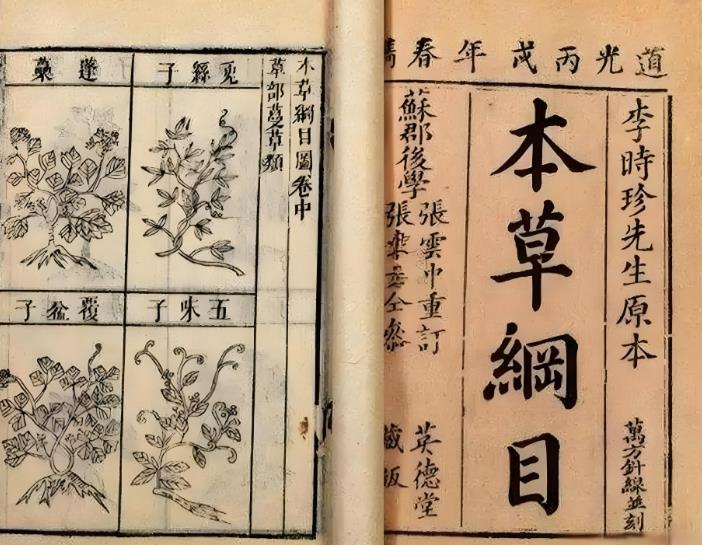
The Bencao Gangmu includes hundreds of substances and thousands of related entries. It covers plants, animals, minerals, foods, and processed materials. Its structure was more systematic than many earlier works, grouping substances by natural characteristics rather than only by rank.
The Bencao Gangmu is important both as a historical reference and as a cultural achievement. It shows how traditional Chinese scholars tried to organize knowledge about the natural world.
Traditional Ways of Understanding Substances
Chinese Materia Medica does not rely on modern chemical analysis. Instead, it traditionally describes substances through concepts such as:
- Four natures, such as warming, cooling, neutral, or other thermal qualities;
- Five flavors, including pungent, sweet, sour, bitter, and salty;
- Meridian associations, which describe how a substance was traditionally thought to relate to certain organ systems;
- Directional tendencies, such as rising, falling, floating, or sinking.
These ideas belong to a traditional framework. They help explain how substances were understood in historical Chinese thought, but they are not equivalent to modern biomedical explanations.
The Connection Between Herbs and Food
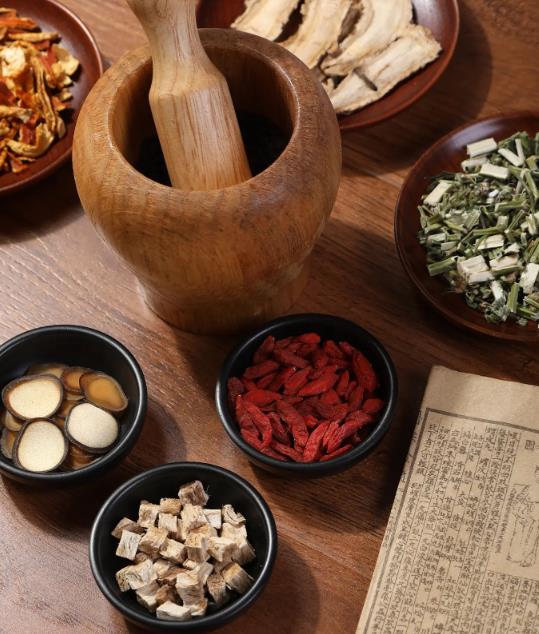
In Chinese culture, many herbal substances also appear as food or tea ingredients. Ginger, red dates, goji berries, chrysanthemum, hawthorn, and longan are familiar examples. They may be used in soups, teas, desserts, porridge, or seasonal dishes.
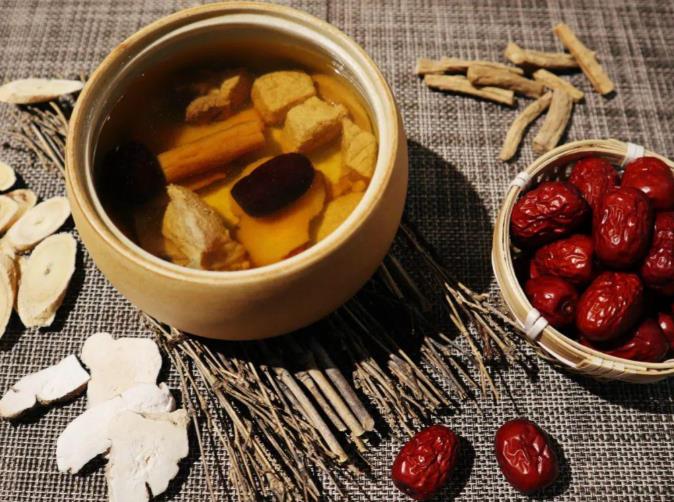
This does not mean that every food ingredient should be treated as a treatment. Rather, it shows how traditional ideas about balance, seasonality, and daily care have shaped Chinese eating habits.
Modern Interest and Cultural Preservation
Today, Chinese Materia Medica is studied in several ways. Scholars examine it as part of cultural history. Museums preserve old texts and tools. Families continue certain food traditions. Professional practitioners study it within regulated systems.
For international readers, it is helpful to distinguish between:
- cultural knowledge about traditional substances;
- historical texts and their classification systems;
- everyday food and tea customs;
- professional practice under local laws and medical standards.
Understanding this difference helps avoid confusion between cultural appreciation and personal health decisions.
Common Misunderstandements
Some readers assume that Chinese Materia Medica is only about “herbal medicine.” In fact, it also includes minerals, animal-derived materials, foods, and processed substances.
Others assume that every traditional entry is scientifically confirmed. In reality, historical herbals reflect the knowledge, beliefs, and limitations of their time. Some entries remain culturally valuable even when they are not used in modern practice.
It is also important to remember that traditional texts were written for specific historical contexts. They should not be used as personal guides for self-treatment.
Safety and Responsible Reading
If you encounter historical descriptions of substances, do not try to prepare, dose, or combine them based on old texts alone. Traditional records may use different names, measurements, and preparation methods from modern standards.
Readers with health conditions, pregnant readers, and those taking medications should consult qualified health professionals before using any herbal or food product for health-related purposes.
This article is for cultural and educational reference only. It does not replace diagnosis or treatment by a licensed health professional.
Frequently Asked Questions
Is Chinese Materia Medica the same as Traditional Chinese Medicine?
No. Chinese Materia Medica is one part of the broader traditional Chinese medical and cultural tradition. It focuses on substances, while traditional practice also includes diagnosis methods, acupuncture, lifestyle ideas, and other approaches.
Who wrote the first Chinese herbal?
There is no single verified author. The Shennong Bencao Jing is attributed to Shennong, but it was compiled by later scholars.
Why is the Bencao Gangmu famous?
It is one of the most comprehensive and systematic historical herbals. It influenced later Chinese scholarship and remains an important cultural reference.
Are all traditional herbs safe?
No. Natural substances can have strong effects, interact with medications, or be unsuitable for certain people. Safety depends on the substance, preparation, dose, and individual condition.



There are no comments yet, come and comment~