
Acupuncture is one of the best-known practices of Traditional Chinese Medicine. To many first-time visitors it sounds surprising: very thin needles are placed into the skin at specific points, and this is said to help the body heal. But acupuncture is not random needling. It is a structured therapy built on a system of diagnosis, body maps, and treatment logic that has been refined over more than two thousand years.
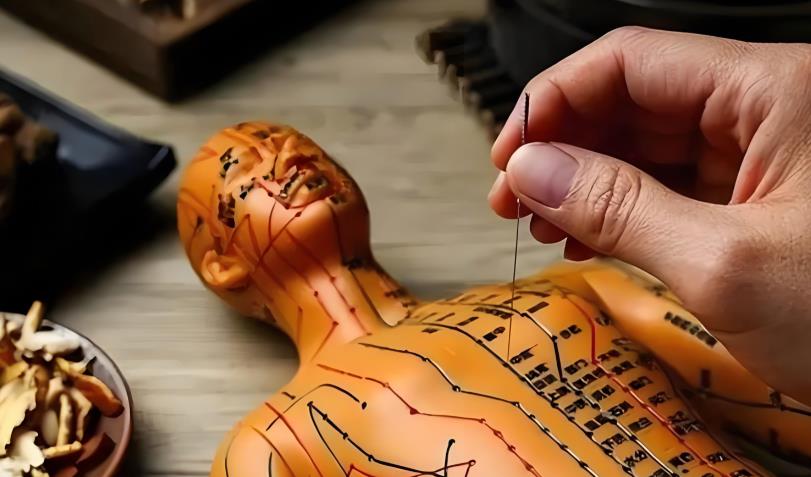
This guide explains what acupuncture is, how it fits within Chinese medicine, how it is traditionally understood to work, what a typical session looks like, and what to keep in mind about safety.
Acupuncture Within Traditional Chinese Medicine
Traditional Chinese Medicine, often shortened to TCM, is a complete medical system rather than a single technique. It includes herbal medicine, acupuncture, cupping, dietary therapy, and movement practices such as qi gong. All of these share the same underlying framework: the idea that the body works through a dynamic balance of energy, fluids, and organ systems.
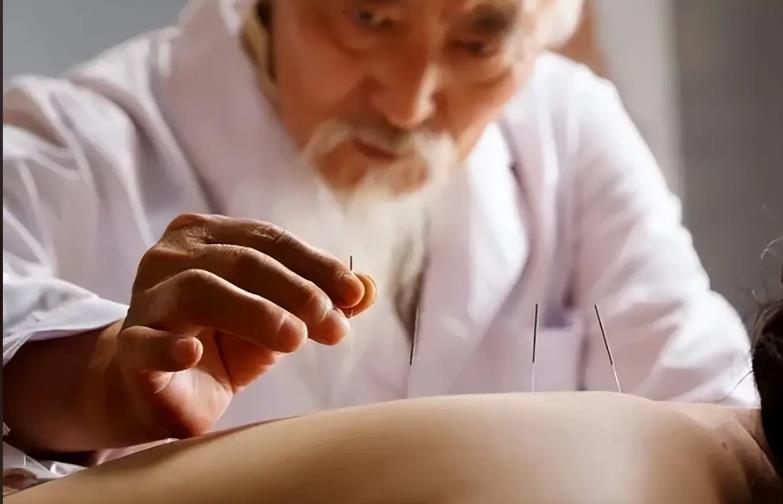
Acupuncture is the branch of TCM that treats the body mainly through the stimulation of specific points on the surface, usually with fine needles. It is often paired with herbal medicine. A practitioner may use needles to guide the body’s response and herbs to support it over time. Understanding acupuncture means understanding the system it comes from, not just the needles themselves.
Qi, Blood, and the Meridian Map
In the traditional framework, health depends on the smooth flow of qi, often translated as “vital energy,” together with blood and body fluids. These are said to travel along pathways called meridians, or jingluo, which connect the surface of the body to the internal organs.
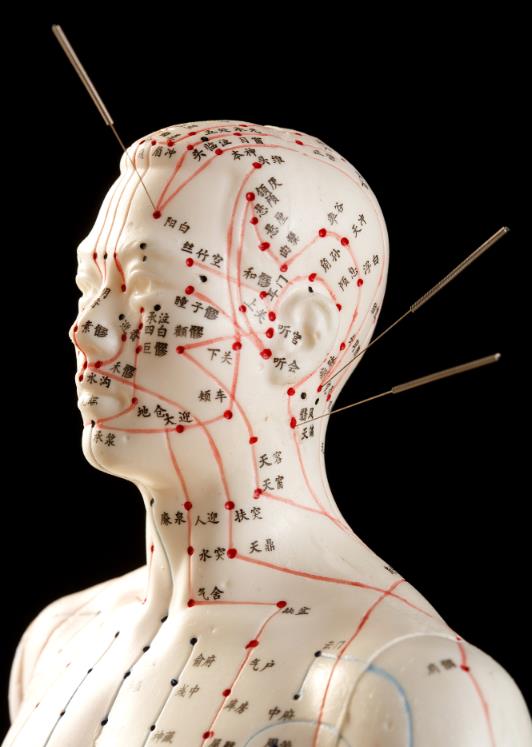
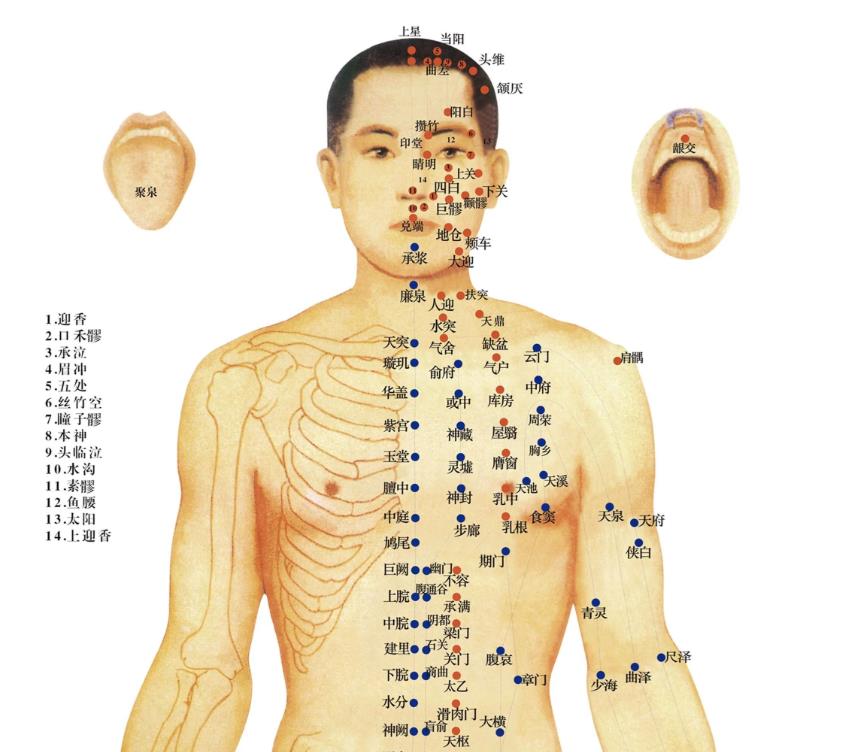
The body map used in acupuncture includes a set of named points, commonly called acupuncture points. These points sit along the meridians and are believed to be places where the flow of qi can be reached and adjusted. When the flow is thought to be blocked, weak, or out of balance, symptoms may appear. Needling selected points is meant to restore a healthier pattern of flow.
It is worth noting that meridians are a model of function, not a set of visible tubes in the body. They describe how Chinese medicine understands the relationships between distant parts of the body, which is why a point on the hand may be chosen to help a problem in the face, or a point on the leg may be used to support digestion.
How Acupuncture Is Traditionally Understood to Work
A treatment begins with assessment. A practitioner looks at the patient’s overall pattern: symptoms, tongue, pulse, and general constitution. In Chinese medicine, two people with the same complaint may receive different treatment because the underlying pattern is judged to be different. This is one of the defining features of the system: treatment is aimed at the perceived pattern, not only at the label of the disease.
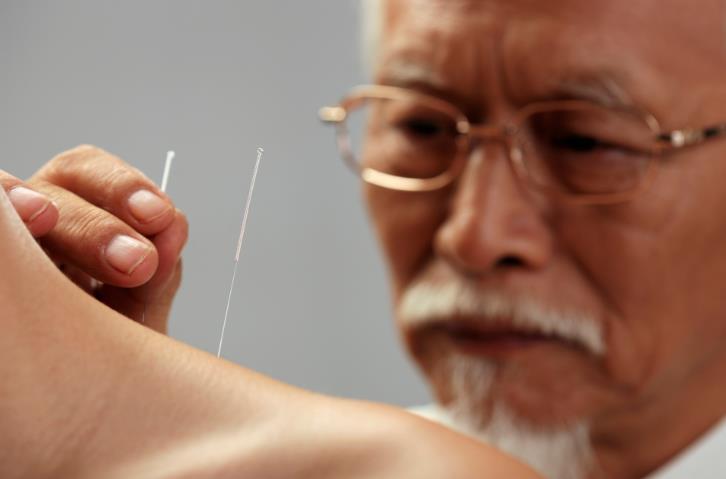
Once a pattern is identified, the practitioner selects a combination of points. Each point has traditional functions, and points are combined to reinforce one another. Some points are chosen to move what is stagnant, some to strengthen what is weak, and some to guide the effect toward a particular area of the body.
Needles are inserted to a shallow or moderate depth and may be gently manipulated. Patients often describe a distinctive sensation at the point—sometimes called de qi—such as a dull ache, heaviness, warmth, or tingling. In the traditional view, this sensation signals that the point has been reached effectively.
A Modern Perspective
Outside the traditional framework, researchers have proposed other ways to explain acupuncture’s effects. Needling may stimulate nerves, muscles, and connective tissue, sending signals to the spinal cord and brain. This can influence the release of natural pain-relieving chemicals and affect how the body processes discomfort. Brain imaging studies have also shown that needling certain points can be associated with changes in activity in specific brain regions.
These modern explanations do not always match the traditional language of qi and meridians, but they show that acupuncture is not simply a placebo ritual. At the same time, the strength of evidence varies by condition. For some uses, such as certain types of pain and nausea, research is more supportive. For others, results are mixed. An honest view recognizes both the long clinical history and the limits of current evidence.
What Happens in a Typical Session
A first acupuncture visit usually begins with a conversation. The practitioner asks about your health history, current symptoms, sleep, digestion, and lifestyle. This intake is central because treatment is planned around your whole pattern rather than a single complaint.
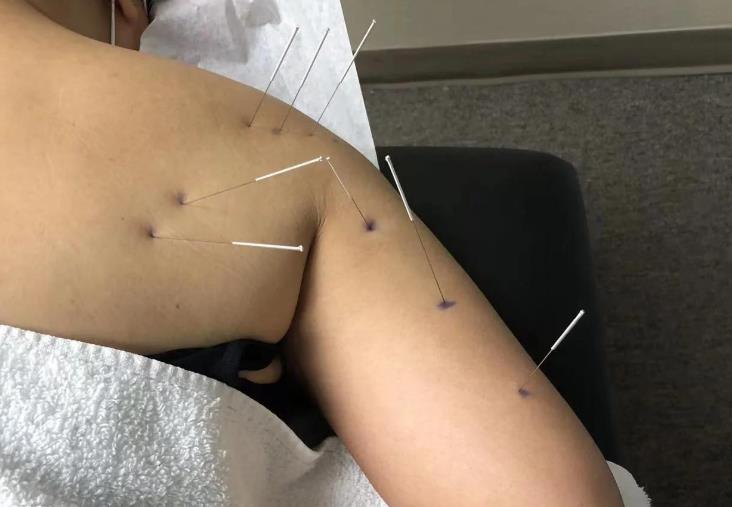
You then lie on a padded table, and the practitioner places sterile, single-use needles at selected points. Most patients feel only a brief moment of contact and then little during the session. The needles are typically left in place for about ten to twenty minutes while you rest quietly. Afterward, they are removed, often without discomfort. Many people describe the session as calm, and some even feel sleepy.
Depending on the issue being treated, a course of care may involve several sessions over a few weeks rather than a single visit.
Is Acupuncture Safe?
When performed by a trained practitioner using clean, disposable needles, acupuncture is generally considered low-risk. Common and mild effects may include small bruises, slight soreness, or temporary tiredness at the needle sites.
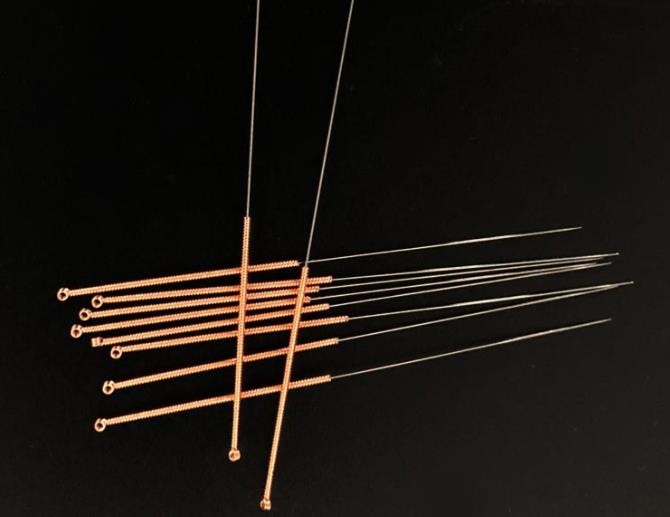
Serious problems are rare but possible, which is why the practitioner’s training matters. People with bleeding disorders, certain heart conditions, or who take blood-thinning medication should tell their practitioner in advance. During pregnancy, some points are traditionally avoided, so a qualified practitioner should be informed. As with any health care, acupuncture is best used alongside, not instead of, conventional medical diagnosis when a condition could be serious.
The practical advice is simple: choose a qualified, licensed practitioner, share your full health history, and treat acupuncture as one supportive tool rather than a cure-all.
Common Uses People Ask About
Acupuncture is most often sought for pain and functional complaints. People commonly ask about it for back pain, neck and shoulder tension, headaches, joint discomfort, and muscle strain. It is also used for digestive complaints, stress-related symptoms, and nausea, including nausea associated with chemotherapy or pregnancy under proper medical care.
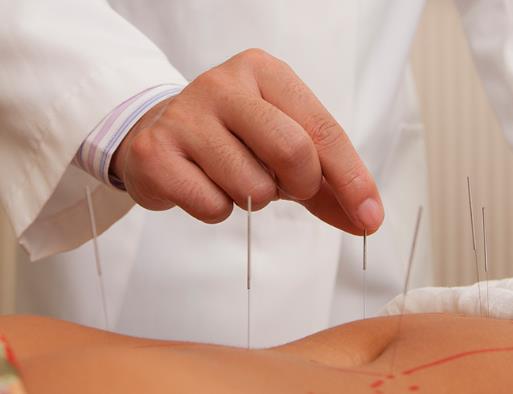
It helps to hold realistic expectations. Acupuncture can be a useful part of managing some conditions, but it is not a guaranteed fix for everything, and results differ from person to person.
Frequently Asked Questions
Does acupuncture hurt?
Most people feel only a tiny moment of contact when a needle is placed. The dull ache or tingling that follows is usually mild and is expected as part of the treatment.
How does acupuncture work—traditionally and scientifically?
Traditionally it is said to restore the smooth flow of qi along meridians. Modern research suggests it may influence nerves and the body’s own pain-regulation systems. Both frameworks aim to explain the same practical experience.
How many sessions do I need?
It depends on the condition. Some people respond after a few visits, while longer-standing issues often need a course of care over several weeks.
Are the needles reused?
In modern, regulated practice, needles are sterile and single-use. They are discarded after each patient.


There are no comments yet, come and comment~