
In Chinese culture, some natural substances appear both in historical texts and in everyday kitchens. Ginseng, goji berries, chrysanthemum, red dates, longan, and hawthorn are familiar examples. They are used in teas, soups, desserts, porridge, snacks, and seasonal dishes.
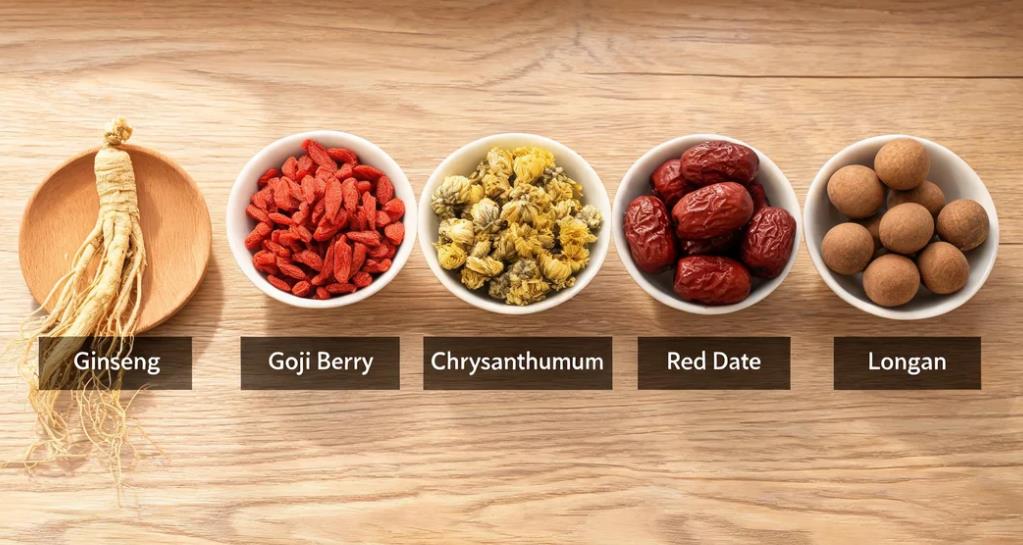
This article explores these ingredients from a cultural and culinary perspective. It does not provide medical advice, treatment recommendations, or dosing guidance.
Why Some Ingredients Appear in Both Food and Bencao
Chinese food culture has long maintained a close relationship with traditional ideas about nature, balance, and seasonal living. Many ingredients are valued not only for flavor, but also for the associations they carry in traditional thought.
For example, a family may serve chrysanthemum tea in autumn, red date soup in winter, or hawthorn snacks after a heavy meal. These habits are often shaped by family tradition, regional custom, and seasonal rhythm rather than by clinical prescription.
It is important to distinguish everyday food customs from professional herbal practice. An ingredient commonly used in cooking should not be treated as a medicine without professional guidance.
Ginseng in Chinese Culture
Ginseng is one of the most widely recognized Chinese cultural ingredients. It appears in traditional texts, gift-giving customs, festive soups, and family stories about care and recovery.
In some regions, ginseng is associated with strength, longevity, and respect for elders. It may be served in soups during important family meals or offered as a gift to older relatives. The cultural meaning of ginseng often goes beyond its material use.
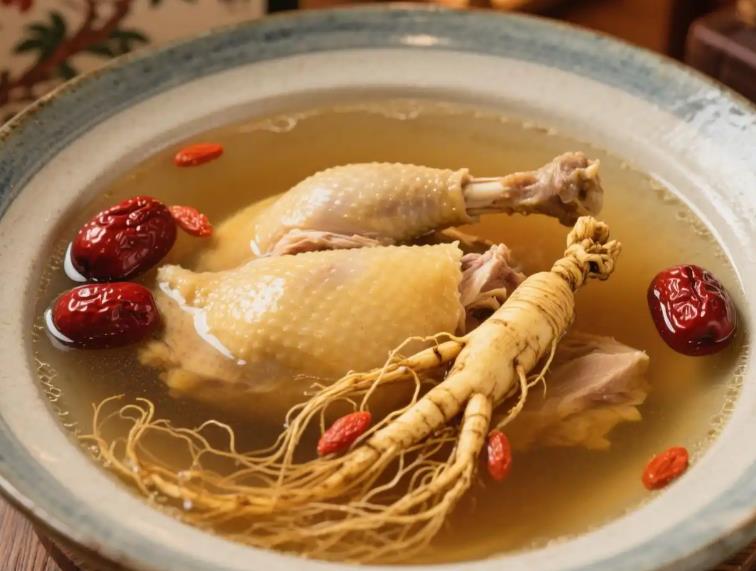
There are different types of ginseng, and traditions around its use vary across regions. In modern life, ginseng may appear as sliced root, tea, soup ingredient, candy, or packaged gift. Its presence in daily life reflects both historical prestige and continuing cultural interest.
Goji Berries and Everyday Wellness Habits
Goji berries, known in Chinese as gouqi, are small red berries commonly seen in Chinese households. They are often added to tea, porridge, soup, or steamed dishes.
Goji berries have become especially familiar in modern urban life. Many people add a small handful to a thermos of hot water, combining them with chrysanthemum, red dates, or other mild ingredients. This habit is more about daily routine than formal herbal practice.
In cultural terms, goji berries are often associated with gentle nourishment, family care, and simple home cooking. They are not a substitute for medical treatment, but they remain a popular symbol of everyday attentiveness to health and balance.
Chrysanthemum Tea and Seasonal Drinking
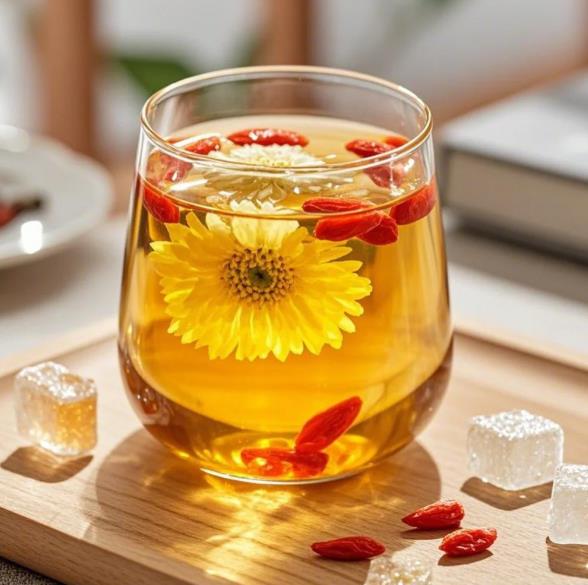
Chrysanthemum tea is a well-known Chinese beverage, especially during autumn and early winter. Dried chrysanthemum flowers are steeped in hot water, sometimes with goji berries, rock sugar, or tea leaves.
This drink is closely connected to seasonal customs. Chrysanthemum also appears in poetry, painting, and festival culture. The flower is one of the “Four Gentlemen” in traditional Chinese art, representing refinement, endurance, and autumn beauty.
In daily life, chrysanthemum tea is often served as a light, floral drink. Some families enjoy it after meals, during study sessions, or when receiving guests. Its cultural value lies partly in its gentle flavor and partly in its long association with Chinese literati culture.
Red Dates as a Symbol of Warmth and Family Care
Red dates, or jujubes, are widely used in Chinese cooking. They appear in soups, desserts, steamed buns, rice dishes, and herbal-style teas. Their naturally sweet flavor makes them easy to combine with many ingredients.
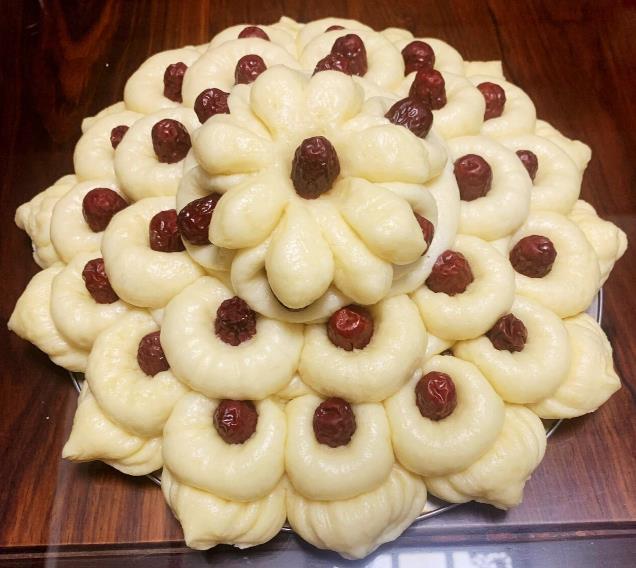
Red dates are often linked with warmth, comfort, and family care. A bowl of red date soup may be prepared during colder months, after travel, or during periods when families wish to offer something gentle and nourishing.
In festivals and household cooking, red dates also carry symbolic meaning. Their round shape and sweetness are associated with harmony, completeness, and good wishes. They are common in New Year foods, wedding sweets, and postpartum or recovery meals, depending on regional tradition.
Longan and the Idea of Sweet Comfort
Longan is another fruit frequently seen alongside red dates and goji berries. Fresh longan is eaten as a seasonal fruit, while dried longan is often used in soups and sweet drinks.
In southern Chinese cuisine, longan may appear in dessert soups, rice porridge, or mild tonic-style dishes. The combination of longan, red dates, and goji berries is especially common in home cooking.
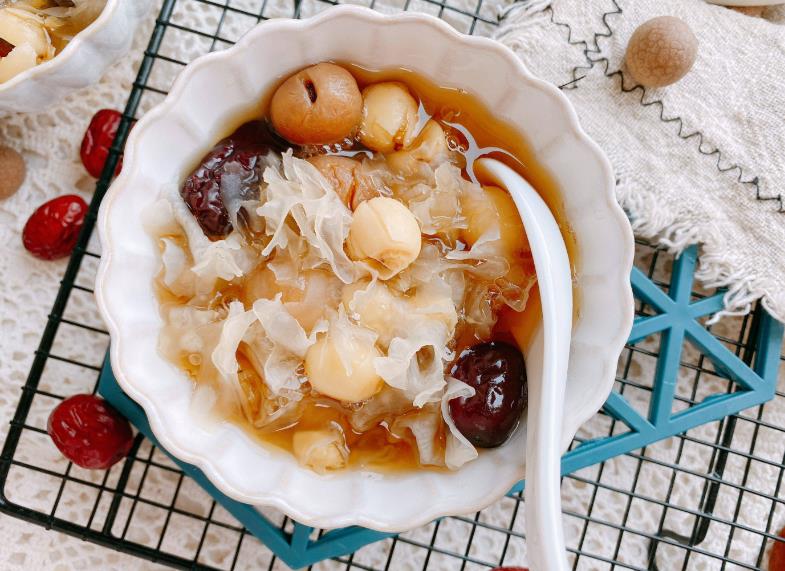
Culturally, longan represents sweetness, comfort, and seasonal abundance. Like other ingredients discussed here, it is best understood as part of food tradition rather than as a self-treatment remedy.
Hawthorn in Snacks and Digestive Culture
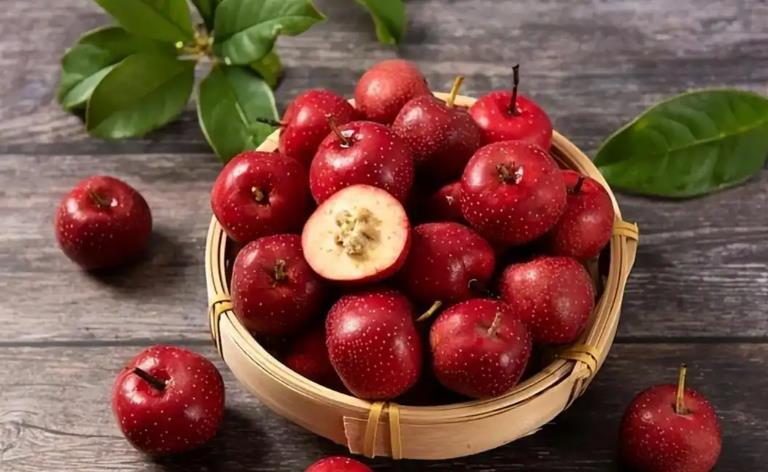
Hawthorn has a distinctive sour-sweet flavor and is widely used in Chinese snacks. It appears as candied hawthorn, hawthorn flakes, hawthorn rolls, hawthorn drinks, and street foods such as tanghulu.
Tanghulu, made by coating hawthorn fruits in hardened sugar syrup, is especially popular in northern China during colder months. It is both a snack and a cultural symbol of winter street markets, childhood memory, and festive atmosphere.
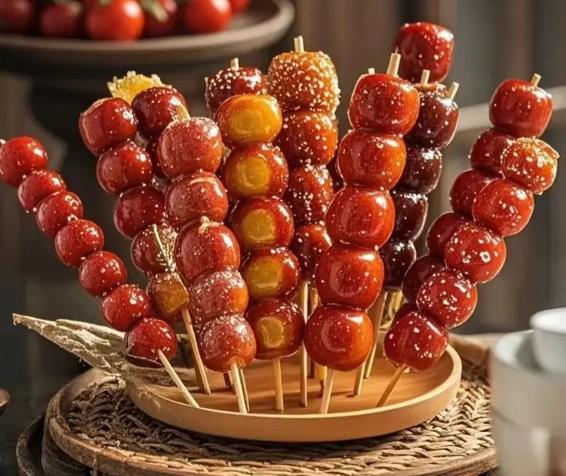
Hawthorn is often associated with rich meals and digestion in everyday conversation. However, this cultural association should not be treated as medical advice. Hawthorn snacks are primarily food products, and their traditional associations do not replace professional health guidance.
Seasonal Customs and Family Food Memory
Many of these ingredients become meaningful through repetition. A person may remember chrysanthemum tea from a grandparent’s home, red date soup from winter evenings, or hawthorn snacks from a school gate.
These memories form part of Chinese food culture. They show how traditional ideas about balance, seasonality, and care are passed down through ordinary meals rather than only through formal texts.
How to Read These Ingredients Responsibly
When reading about Chinese food ingredients, it helps to keep three levels separate:
- Cultural meaning, such as symbolism, festival use, and family tradition;
- Culinary use, such as tea, soup, dessert, or snack;
- Professional practice, which requires training, regulation, and individualized assessment.
Enjoying these ingredients as part of food culture is very different from using them to treat illness. Readers should not replace medical care with food traditions.
Safety Notes for Everyday Use
Even common food ingredients may not suit everyone. Some people may have allergies, sensitivities, or dietary restrictions. Pregnant readers, children, and people with chronic health conditions should be especially cautious.
If an ingredient is consumed as part of a normal diet, it should still be taken in reasonable amounts. If someone wishes to use it for health-related purposes, consulting a qualified professional is the safer choice.
This article is for cultural and educational reference only. It does not replace diagnosis or treatment by a licensed health professional.
Frequently Asked Questions
Are ginseng, goji, and red dates medicines or foods?
They can appear in both contexts, but in everyday life they are often used as food or tea ingredients. That does not mean they should be used as medical treatment.
Why is chrysanthemum tea so popular in China?
It is light, floral, and closely connected to autumn customs. Chrysanthemum also has a long history in Chinese art and literature.
Is tanghulu only made with hawthorn?
Traditionally, hawthorn is the most classic fruit for tanghulu, but modern versions may use strawberries, grapes, oranges, or other fruits.
Can children eat these ingredients?
Many of them appear in family cooking, but suitability depends on the child’s age, health, and local dietary habits. When in doubt, consult a pediatrician or qualified professional.


There are no comments yet, come and comment~