If you had to describe the Chinese attitude toward life in a single flavor, many people would without hesitation choose Sichuan cuisine. Known in Chinese as Chuan Cai, Sichuan cuisine is one of the four great culinary traditions of China, and arguably the most internationally recognized regional Chinese cuisine. It is famous for its bold, layered flavors — especially the iconic combination of numbing and spicy — and follows the philosophy of “each dish has its own character; a hundred dishes bring a hundred different tastes.”
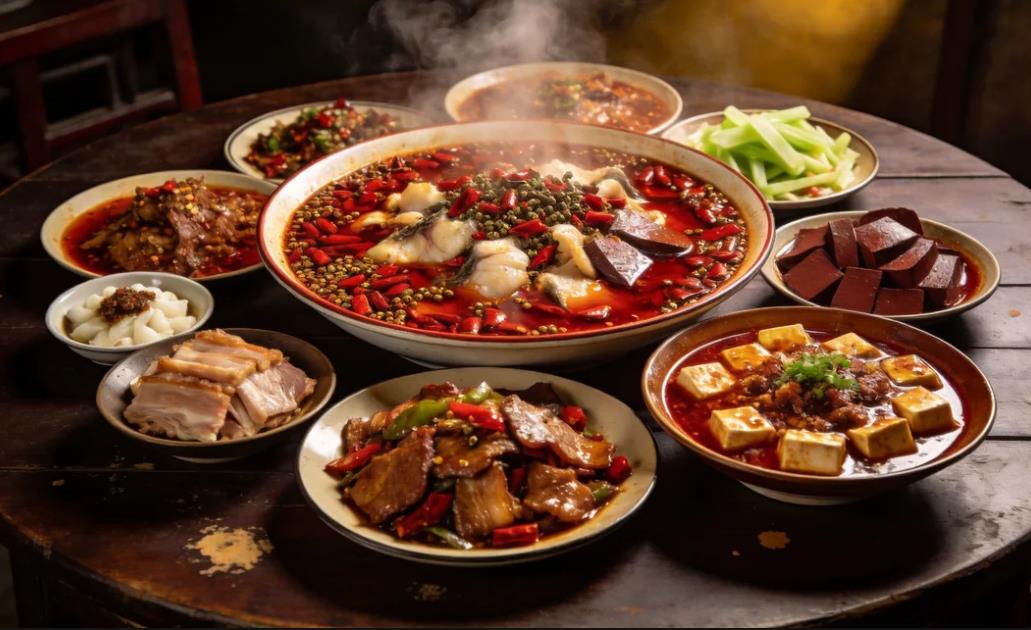
For international visitors who are just beginning to explore Chinese culture, Sichuan cuisine may be the easiest flavor to remember — and the hardest to forget. It is bold, direct, and full of life, much like the open-hearted and passionate character of the people from Sichuan.
Where Did Sichuan Cuisine Come From?
Sichuan cuisine originated in the southwestern Chinese provinces of Sichuan and Chongqing. This region has long been known as the “Land of Abundance” — a place with a mild, humid climate and rich agricultural resources. The abundance of local ingredients provided a natural foundation for the birth and development of Sichuan cooking.
The history of Sichuan cuisine can be traced back more than two thousand years. In ancient times, the Sichuan Basin was surrounded by mountains on all sides, making transportation difficult. This geographic isolation, however, allowed a relatively independent culinary culture to flourish. Over generations, local people developed a unique set of cooking techniques.
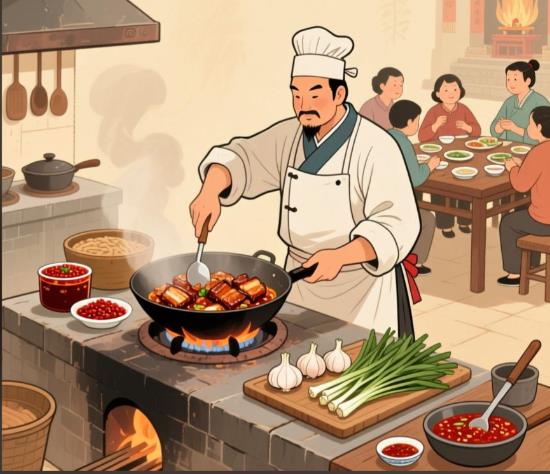
A turning point came during the Ming and Qing dynasties, when chili peppers were introduced to China from overseas and took root in Sichuan. When chili peppers met the region’s native Sichuan peppercorn, the result was the most iconic flavor of Sichuan cuisine — the famous málà, meaning “numbing and spicy.”
From that moment on, Sichuan cuisine carved out its own distinct path. It spread from Sichuan to the rest of China, and eventually from China to the world. Today, whether you are in New York, London, Tokyo, or Paris, you are almost certain to find a Sichuan restaurant nearby.
The Heart of Sichuan Flavor: It’s Not Just “Spicy”
When most people hear “Sichuan cuisine,” the first word that comes to mind is “spicy.” But in reality, the flavor profile of Sichuan food is far richer and more complex than simple heat.
Sichuan cuisine recognizes seven basic taste profiles: numbing, spicy, sweet, salty, sour, bitter, and umami. These flavors are never simply piled on top of one another. Instead, skilled chefs combine them in creative ways to produce an almost infinite variety of layered,复合 (compound) flavors.
The two most essential ingredients are:
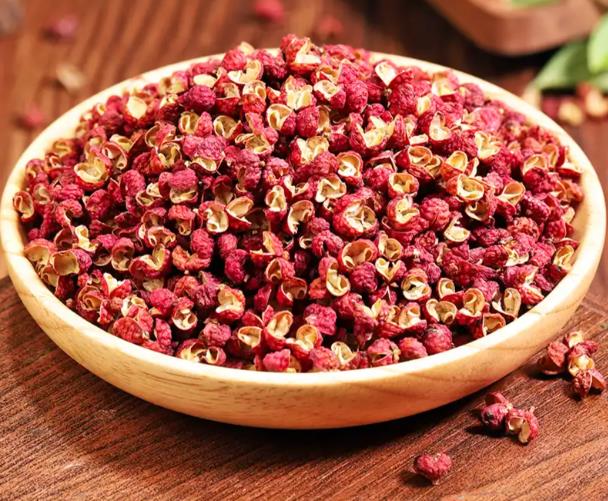
- Sichuan Peppercorn (Huājiāo) — This spice does not produce heat. Instead, it creates a unique tingling, numbing sensation on the tongue. It feels almost as if tiny bubbles are dancing across your palate. This numbing quality is what sets Sichuan cuisine apart from every other culinary tradition in the world.
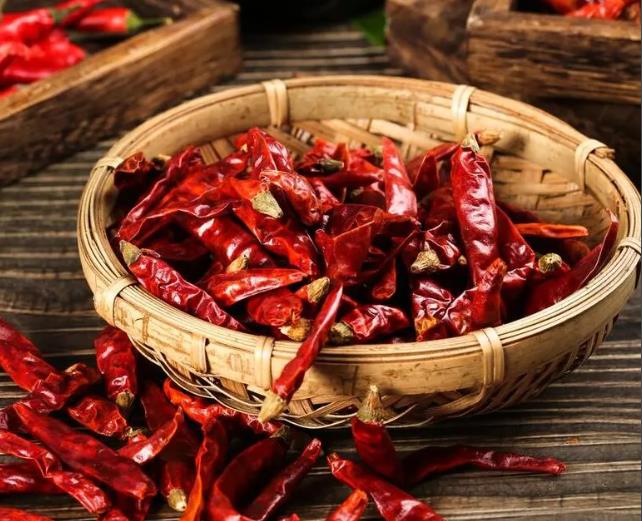
- Chili Peppers — Sichuan cuisine uses a remarkable variety of chili forms: dried chilies, fresh chilies, pickled chilies, and fermented chili bean paste (dòubàn jiàng). Each type brings a different level of heat and a different aromatic quality — some are fiercely hot, some are gently warm, and some carry a deep, fermented richness.
Beyond the classic numbing-spicy combination, Sichuan cuisine features many other celebrated flavor profiles:
- Fish-Fragrant Flavor (Yúxiāng) — Despite the name, there is no fish in the dish. The flavor is created using pickled chilies, scallions, garlic, and ginger, producing an aroma reminiscent of traditional fish dishes.
- Strange Flavor (Guàiwèi) — A fascinating blend of salty, sweet, numbing, spicy, sour, and umami all at once. The name “strange” reflects how surprisingly harmonious these seemingly contradictory tastes become.
- Home-Style Flavor (Jiācháng) — Simple, comforting, and familiar, like a meal prepared by a loving mother at home.
Classic Sichuan Dishes You Must Try
The best way to understand Sichuan cuisine is, of course, to taste it. Below are some of the most representative classic dishes — each one worth seeking out.
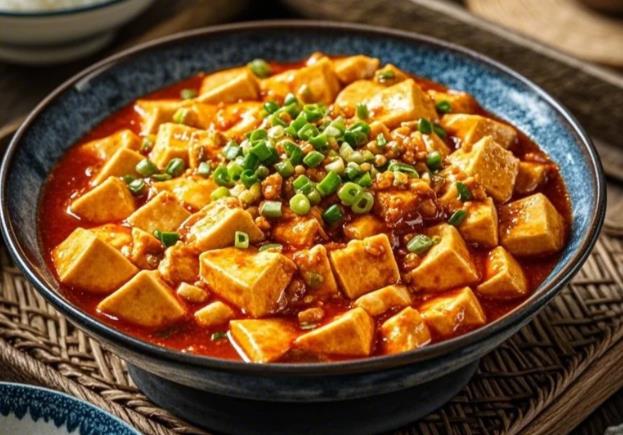
Mapo Tofu
Perhaps the most internationally famous Sichuan dish. Silky soft tofu is cooked with minced beef (or pork) in a rich, numbing, and spicy sauce, then finished with a dusting of ground Sichuan peppercorn. The tenderness of the tofu, the savoriness of the meat, the tingle of the peppercorn, and the heat of the chili all come together in perfect harmony. This dish is said to have originated during the Qing Dynasty, more than a hundred years ago.
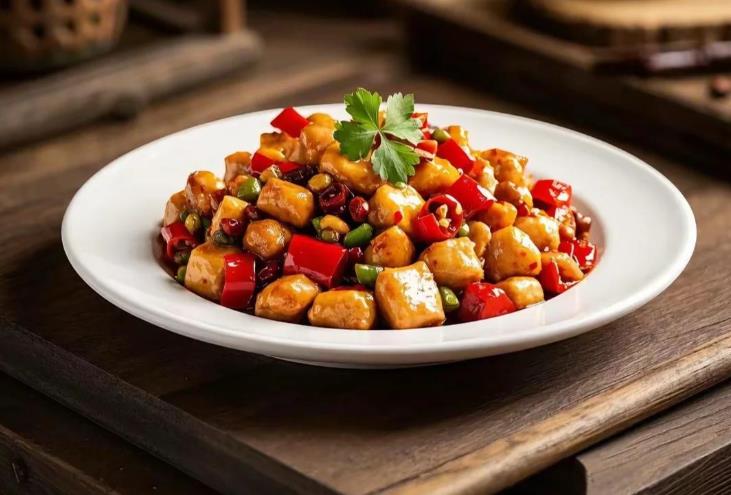
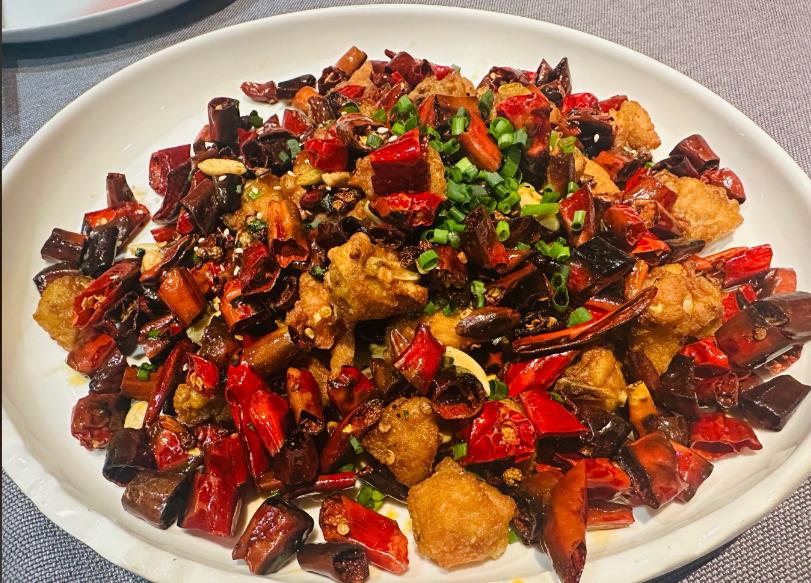
Kung Pao Chicken (Gōngbǎo Jīdīng)
The combination of chicken and peanuts may sound simple, but it perfectly demonstrates the art of Sichuan seasoning. Tender chicken cubes, crunchy peanuts, dried chilies, and Sichuan peppercorns are tossed in a sweet-and-savory sauce. The result is complex, satisfying, and spicy without being overwhelming. Kung Pao Chicken is enormously popular overseas and has become one of the most recognizable symbols of Chinese food worldwide.
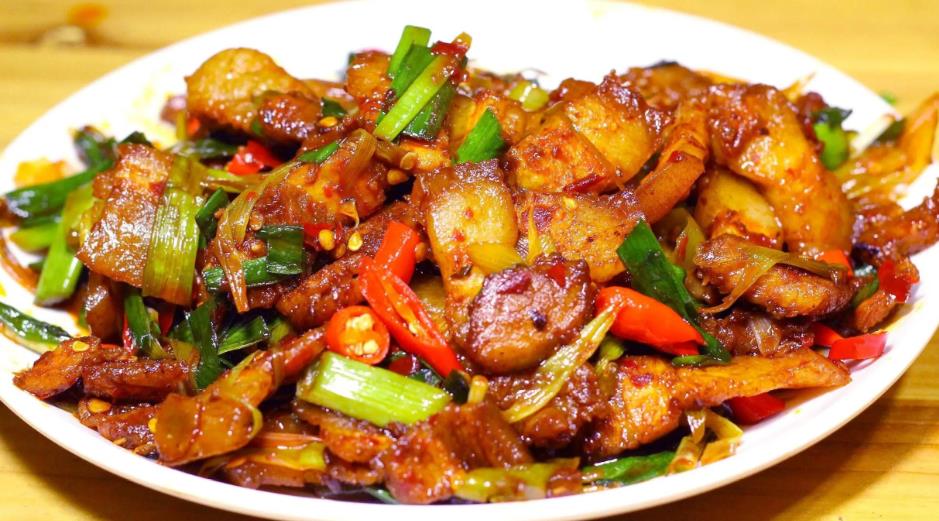
Twice-Cooked Pork (Huíguō Ròu)
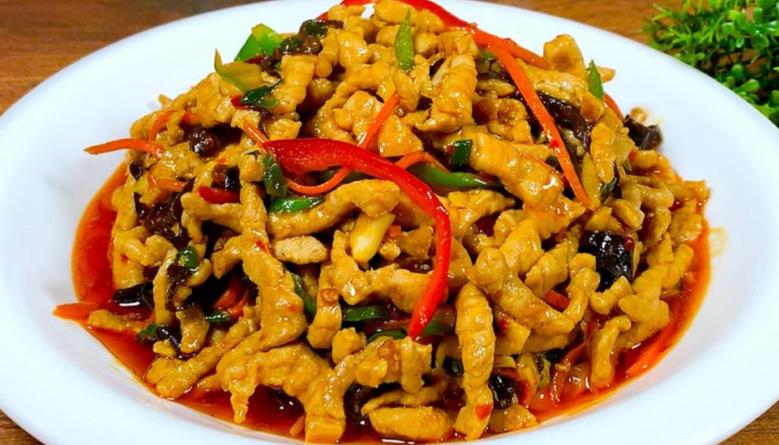
Often called the “king of Sichuan home cooking.” The name “twice-cooked” refers to the method: pork is first boiled, then sliced and stir-fried again with garlic sprouts or green peppers. The finished dish is glossy red, with slightly curled slices of pork that are rich but not greasy, savory with a gentle kick of heat. It is one of the most common dishes on a Sichuan family’s dinner table.
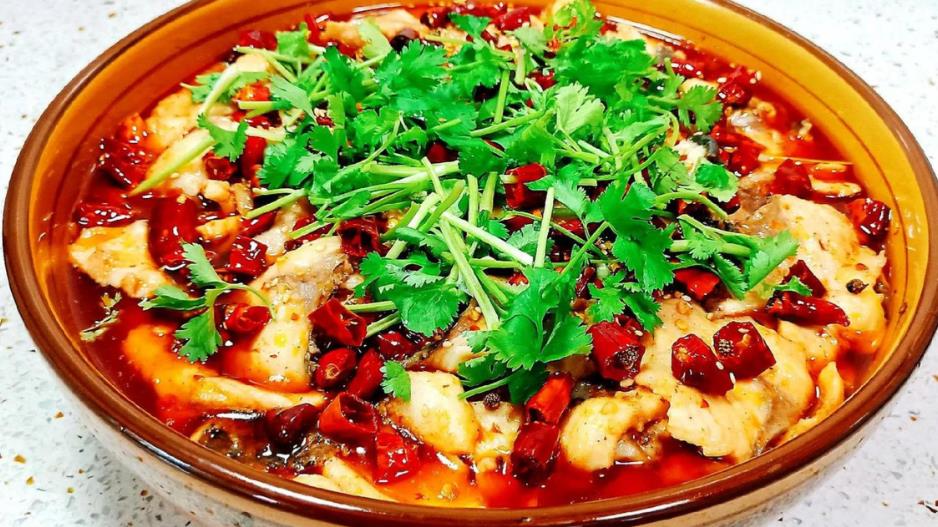
Water-Boiled Fish (Shuǐzhǔ Yú)
Don’t let the name fool you — this is anything but a plain, watery dish. Tender slices of fish are poached in a bubbling, fiery broth loaded with dried chilies and Sichuan peppercorns. When it arrives at the table, the aroma is intoxicating. One bite of the silky fish, and the numbing-spicy flavor floods your senses in the most exhilarating way.
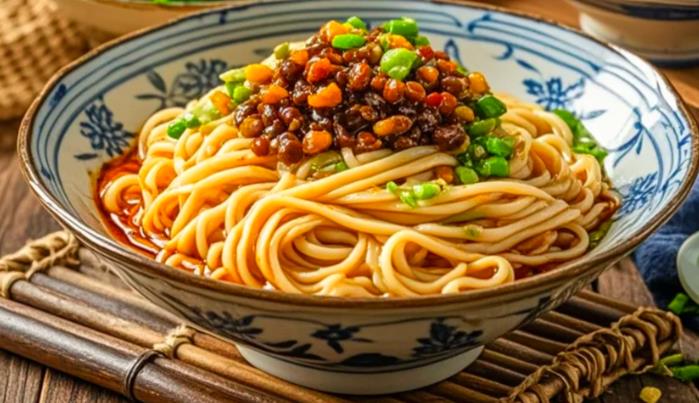
Dan Dan Noodles (Dàndàn Miàn)
A beloved Sichuan street snack. The name “Dan Dan” refers to the carrying poles that street vendors once used to transport their noodle stalls through the city. Thin noodles are served with a rich sauce made from minced pork, preserved vegetables, chili oil, and ground Sichuan peppercorn. Toss everything together, and every strand of noodle becomes coated in bold, addictive flavor.
The Cultural Spirit Behind Sichuan Cuisine
Sichuan cuisine is much more than food — it carries the life philosophy of the Sichuan people, and by extension, of Chinese culture as a whole.
The Sichuan Basin has a humid, damp climate. Local people discovered long ago that eating spicy and numbing foods helps the body dispel cold and moisture. In this way, the bold flavors of Sichuan cuisine were born not from fashion or trend, but from practical wisdom — a reflection of the Chinese principle of living in harmony with nature.
Sichuan cuisine also embodies the Chinese pursuit of harmony. A great Sichuan dish is all about balance — the numbing and the spicy must complement each other, the salty and the sweet must be in proportion, the fresh and the aromatic must support one another. This mirrors the traditional Chinese philosophical ideal of “harmony in diversity”: different elements retain their individual character, yet together they create something beautiful and unified.
Moreover, Sichuan cuisine is deeply social. The people of Sichuan love gathering together, sharing food, and enjoying lively conversation. A table full of Sichuan dishes, with chopsticks moving between plates and laughter filling the air, captures one of the warmest and most human aspects of Chinese dining culture.
Why the World Should Know Sichuan Cuisine
Sichuan cuisine is a shining jewel in the crown of Chinese culinary heritage. It tells the story of China in the most direct and universal language possible — the language of flavor.
It reminds us that a Chinese dining table is never just a place to fill your stomach. It is a space for expressing emotion, passing down culture, and connecting people. Behind every Sichuan dish lies layers of history, the generosity of the land, and a people’s enduring love of life.
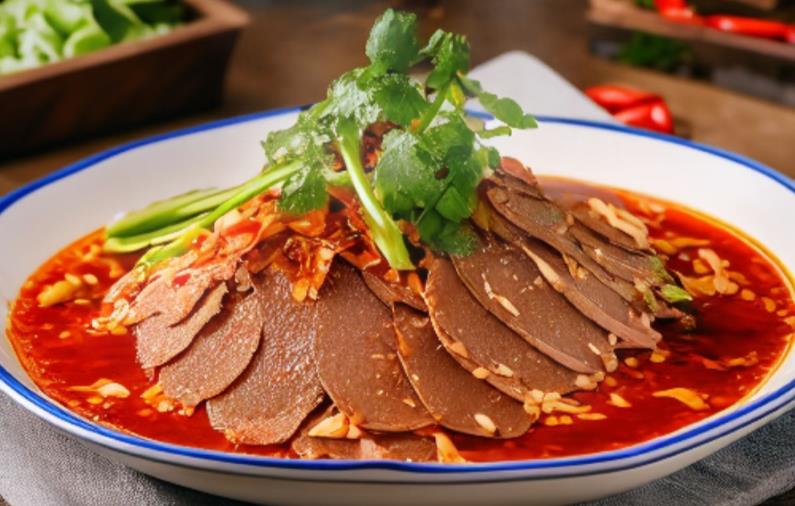
If you have never tried Sichuan cuisine, find an authentic Sichuan restaurant and order a Mapo Tofu or a Kung Pao Chicken. Let your taste buds take you on a journey into Chinese culture. We are confident that the warmth and boldness of Sichuan flavors will win you over.
💡 A Friendly Tip: If it is your first time trying Sichuan food, feel free to ask for “mild spicy” or “less chili.” This way, you can enjoy the unique character of Sichuan cuisine without being overwhelmed by the heat. Once you get used to it, you will discover that hidden within that numbing-spicy sensation is an endless world of delicious surprises.



There are no comments yet, come and comment~