Chinese food culture, often called Chinese Food Culture or Chinese Culinary Culture, is one of the most lively and welcoming parts of traditional Chinese culture.
For Chinese people, eating is not just about filling the stomach. It is a way of life, a way of showing feelings, and also a kind of everyday beauty. There is a famous Chinese saying: “Food is the first necessity of the people.” It means that food has always been one of the most important things in daily life.
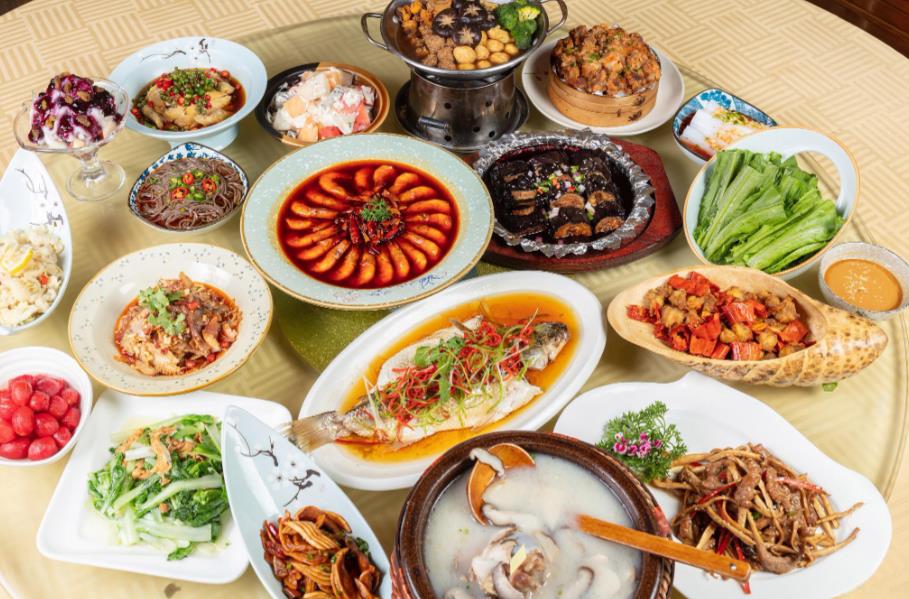
The charm of Chinese food is not only in its rich flavors. It also lies in the history, regional differences, table manners, philosophy, and human warmth behind every meal.
If Chinese calligraphy shows the spirit of the Chinese people, and Chinese ceramics show their sense of beauty, then Chinese food shows their wisdom of living. It brings nature, family, festivals, and friendship together in daily meals.
What Is Chinese Food Culture?
More Than “What to Eat”
When many foreigners first think of Chinese food, they may think of dumplings, noodles, hot pot, fried rice, or dim sum. These foods are famous, but Chinese food culture is much more than a list of dishes.
It also includes:
- How ingredients are chosen and combined
- How food is cooked and how heat is controlled
- Table manners and dining habits
- Festival foods and regional styles
- The relationship between food, health, nature, and family
In other words, Chinese food culture is not only about what people eat. It is also about why they eat in a certain way, who they eat with, when they eat, and how they make a meal feel balanced and meaningful.
Why Chinese Food Culture Matters
Chinese food culture is important because it is closely connected to almost every part of Chinese life.
First, it shows respect for nature. Chinese people often choose food according to the season: fresh vegetables in spring, light foods in summer, nourishing foods in autumn, and warm foods in winter.
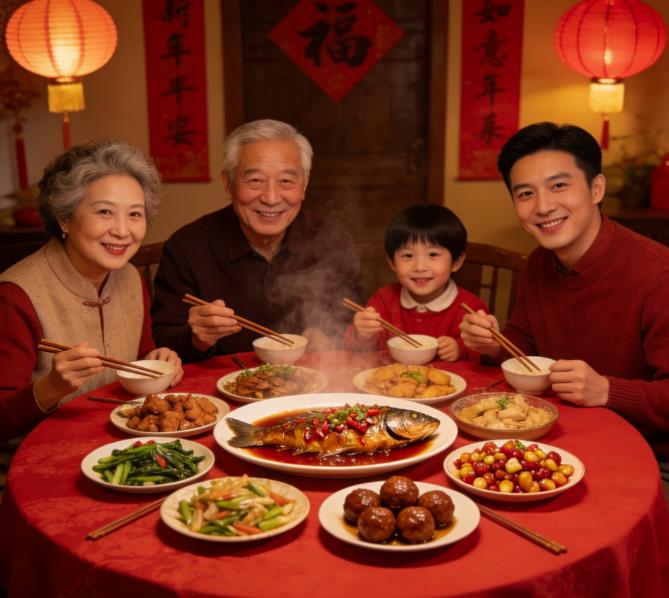
Second, it shows the importance of family. Many important family moments happen around the table: the Spring Festival reunion dinner, birthday noodles, wedding banquets, and gatherings with friends. Food often carries emotion.
Third, food is also a way Chinese people understand the world. They use flavors such as sour, sweet, bitter, spicy, and salty to describe taste, and they also use food to describe life. For example, Chinese expressions like “eating bitterness,” “tasting sweetness,” or “eating with great interest” all come from food experience.
Basic Features of Chinese Food
Attention to Color, Aroma, Taste, and Shape
Chinese cuisine values the whole experience of a dish. A good dish should not only taste good, but also look beautiful, smell inviting, and feel balanced.
Four common standards are:
- Color: the dish should look attractive and make people hungry
- Aroma: the smell should be pleasant and invite the appetite
- Taste: the flavor should be rich and well balanced
- Shape: the food should look neat, natural, or artistic
Some dishes also pay attention to the vessel, meaning the plate, bowl, or dish used to serve the food. A beautiful plate can make a meal feel more special.
Careful Combination of Ingredients
Chinese cooking values how ingredients work together.
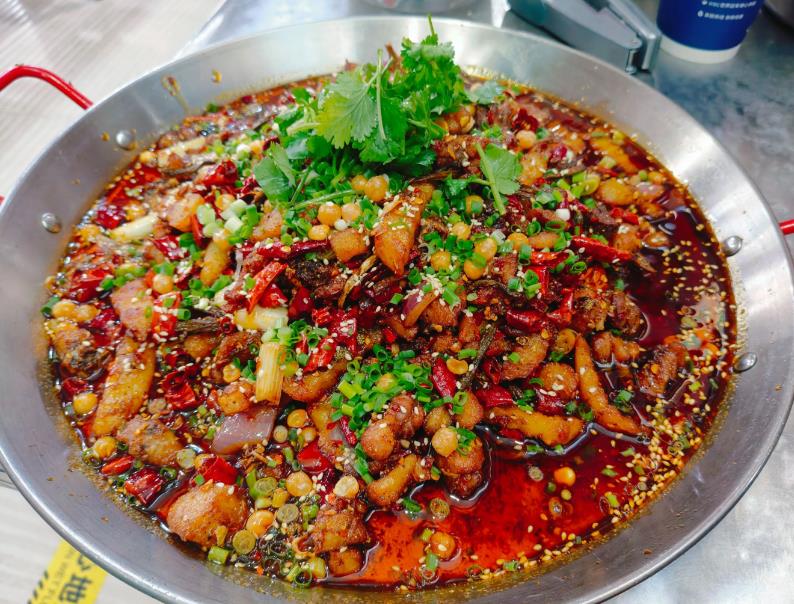
One dish may include meat and vegetables, soft and crunchy textures, or strong and mild flavors. For example, a simple stir-fry may contain meat, vegetables, mushrooms, and seasonings, creating a richer taste and texture.
Chinese people also value the idea of “harmonizing the five flavors.” The five flavors usually refer to sour, sweet, bitter, spicy, and salty. A good dish is not about making one flavor too strong, but about letting different flavors support each other.
Importance of Heat Control
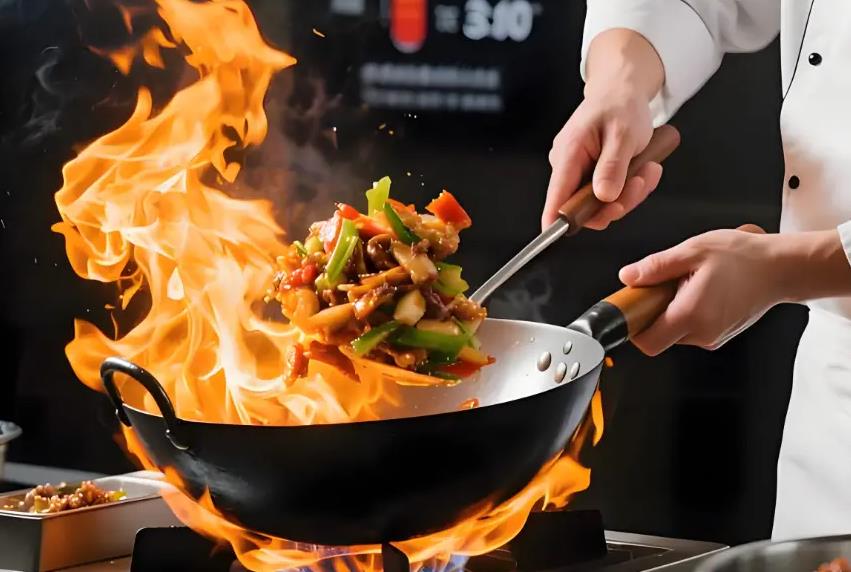
“Heat control,” or huǒhòu, is a very important idea in Chinese cooking.
It means controlling the time and strength of heat during cooking. If the heat is too high, food may burn outside but stay raw inside. If the heat is too low, the food may not become fragrant enough. If the cooking time is too long, the ingredients may lose their freshness. If it is too short, the food may not be fully cooked.
When a Chinese cook says the heat is “just right,” it means the food has reached its best state. This skill is hard to explain with numbers. It usually comes from long practice and careful feeling.
Rich Cooking Methods
Chinese cuisine has many cooking methods. Common ones include:
- Stir-frying: cooking quickly with a little oil to keep ingredients fresh and tender
- Steaming: using steam to cook food, often light and healthy
- Boiling: cooking food in water, often used for soups and noodles
- Stewing: cooking slowly for a long time so flavors blend together
- Pan-frying: using a small amount of oil to make the surface fragrant
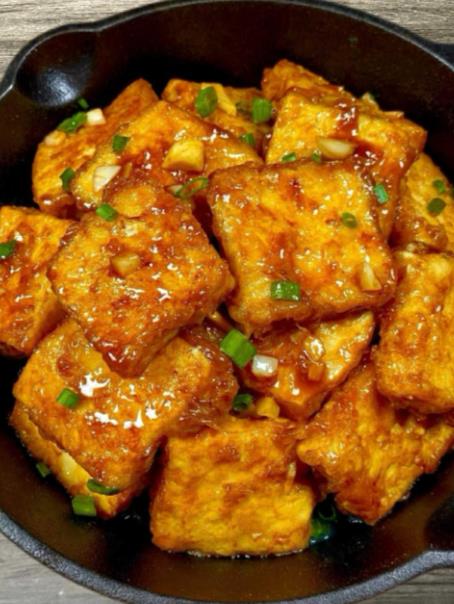
- Deep-frying: using more oil to make food crispy outside and tender inside
- Roasting: cooking with direct heat or oven heat for rich aroma
- Braising: cooking ingredients slowly in seasoned liquid
Because of these methods, the same ingredient can become many different dishes. This is one reason why Chinese food feels so varied.
Regional Flavors of Chinese Food
China is a large country. Different regions have different climates, ingredients, and living habits, so their food styles are also different.
Foreign readers do not need to remember every regional cuisine. It is enough to understand a few main directions.
Northern Chinese Food: Hearty, Simple, and Rich in Wheat Foods
Northern China has a relatively dry and cold climate. Its food style is usually hearty, simple, and satisfying.
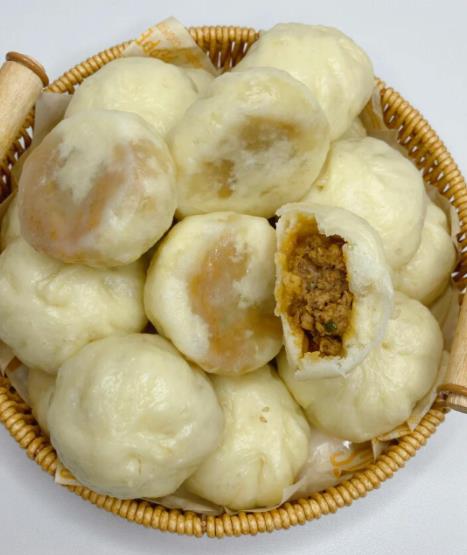
Northern people often eat wheat-based foods such as noodles, steamed buns, dumplings, stuffed buns, and flatbreads. The flavors are often salty and savory, and the portions are usually generous.
Typical foods include:
- Dumplings: a symbol of reunion, often eaten during important festivals
- Noodles: associated with long life; birthday noodles are a common tradition
- Steamed buns and stuffed buns: eaten as main food or filled with meat and vegetables
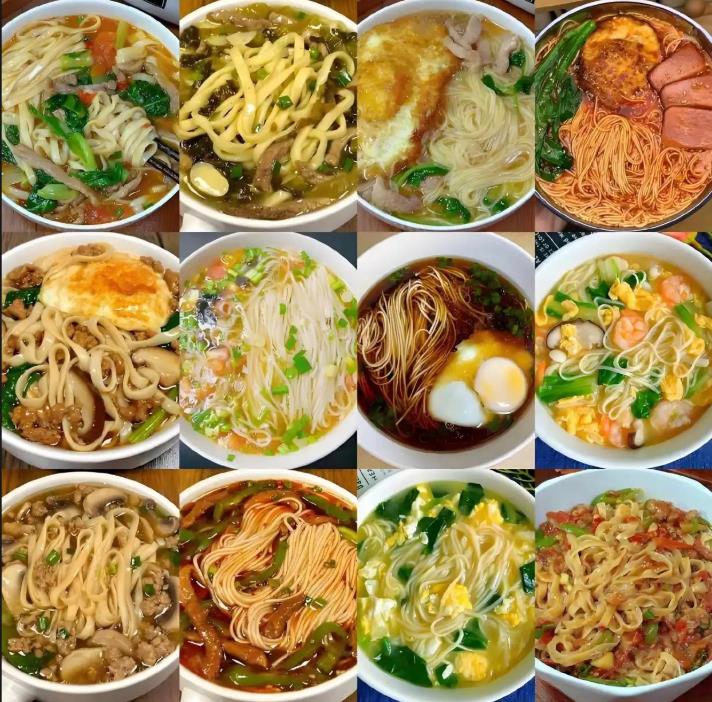
In northern China, there are over a hundred ways to make plain noodles.
Northern food often feels warm and solid, like a bowl of hot noodle soup on a cold day.
Southern Chinese Food: Delicate, Light, and Fresh
Southern China has a warm and wet climate, with rich natural products. Its food style is usually more delicate and lighter.
Southern cuisine values the freshness of ingredients, especially seafood, river fish, vegetables, and soups.
Main styles include:
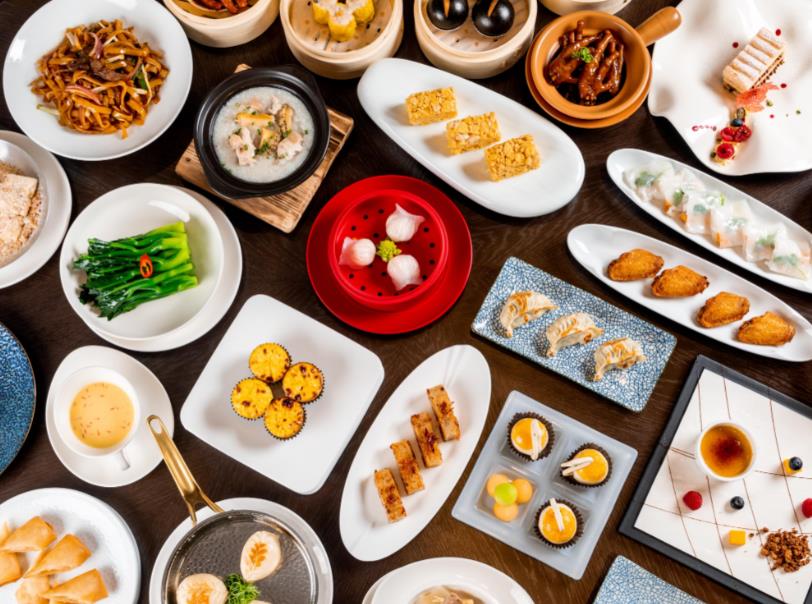
- Cantonese food: light in taste, focused on the natural flavor of ingredients, with a strong dim sum culture
- Jiangzhe food: slightly sweet and fresh, with attention to refinement and seasonal ingredients
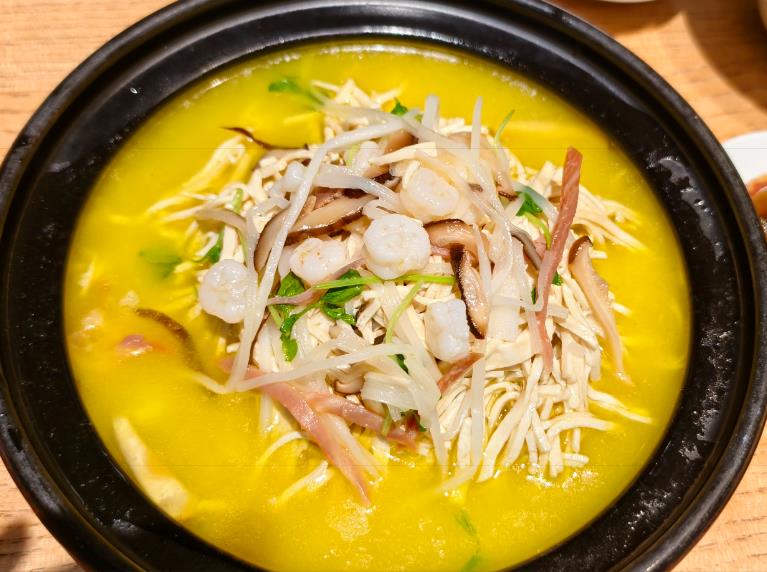
Huaiyang cuisine
- Fujian food: good at seafood and soups, with a clean and fresh taste
- Hakka food: simple and hearty, with strong family-style flavors
Southern food often feels fresh and refined, like a light vegetable soup in spring: not strong, but with a lasting aftertaste.
Western and Southwestern Chinese Food: Spicy, Bold, and Full of Character
In southwestern and western China, especially in places like Sichuan, Chongqing, and Hunan, the food is often bolder.
People there like to use chili, Sichuan peppercorn, ginger, garlic, and other strong seasonings. The flavors can be spicy, numbing, sour-spicy, or fragrant-spicy.
Typical foods include:
- Hot pot: people sit around one pot, cook food together, and eat while chatting
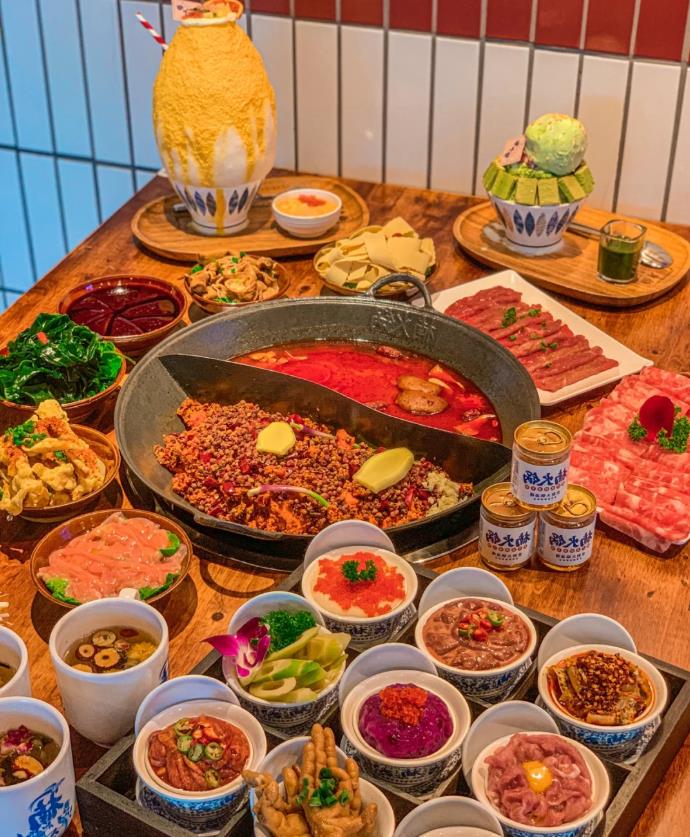
In Sichuan and Chongqing, hot pot is one of the foods people eat most often.
- Mapo tofu: spicy, numbing, fragrant, and savory; a classic Chinese home-style dish
- Sichuan stir-fries: rich in flavor and full of variety
- Hunan food: known for its spicy and fresh taste
Food from these regions often feels lively and direct, like a strong and exciting flavor experience.
Eastern Coastal Chinese Food: Seafood and Natural Taste
In eastern coastal areas such as Shanghai, Zhejiang, Fujian, and Guangdong, fish, shrimp, crab, and shellfish are common.
Dishes from these areas usually value freshness. The seasoning is often not too heavy, because the goal is to let people taste the natural flavor of the food.
Steamed fish, plain boiled shrimp, seafood congee, and noodle soups are common examples of coastal food.
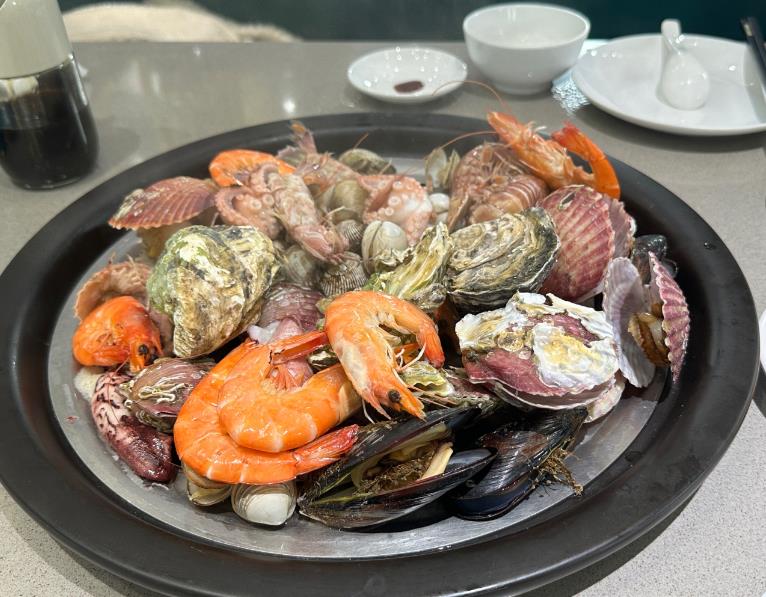
Common Foods in Chinese Culture
Rice and Noodles: The Basic Staple Foods
Rice and noodles are the most common staple foods in China.
In southern China, rice is more common. In northern China, noodles, steamed buns, and dumplings are more common.
Rice represents daily stability. Noodles are often connected with long life. Eating a bowl of long-life noodles on a birthday is a traditional way of expressing good wishes.
Dumplings: A Symbol of Reunion and Festivity
Dumplings are one of the most representative Chinese foods.
They are made by wrapping meat, vegetables, or other fillings in dough. Their shape is sometimes compared to ancient Chinese gold ingots, so they are also seen as a symbol of wealth and good fortune.
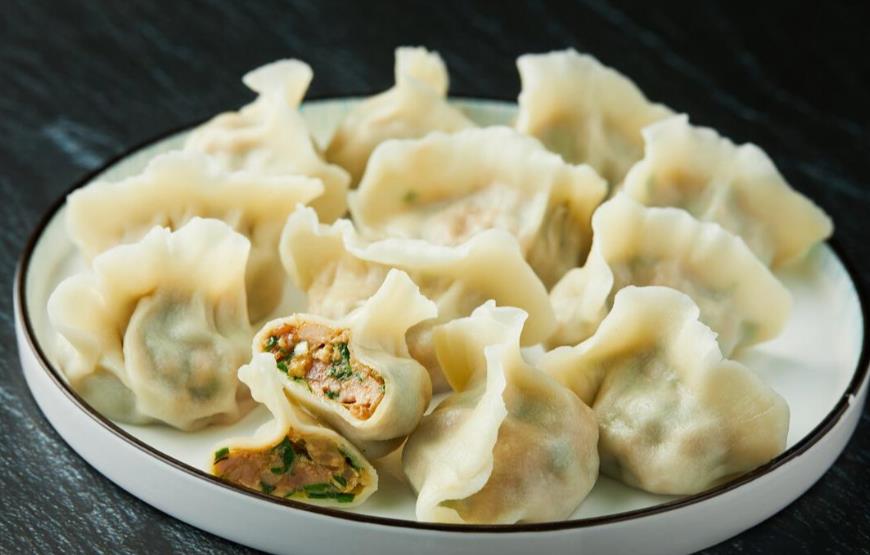
Dumplings are also one of the most common foods in China.
In northern China, eating dumplings during the Spring Festival is an important tradition. Making, cooking, and eating dumplings together is itself a kind of family ritual.
Tea: An Important Part of Food Culture
Chinese food culture cannot be separated from tea.
Chinese people have drunk tea for thousands of years. Tea is not only a drink. It also appears when welcoming guests, chatting with friends, enjoying a meal, or relaxing.
Drinking tea before or after a meal can help people relax. Serving tea to guests shows friendliness. In formal situations, tea also represents respect and good manners.
There are many kinds of Chinese tea, such as green tea, black tea, oolong tea, Pu’er tea, and white tea. Each type has its own aroma and taste.
Soup: Warm, Comforting, and Careful
Chinese people value soup.
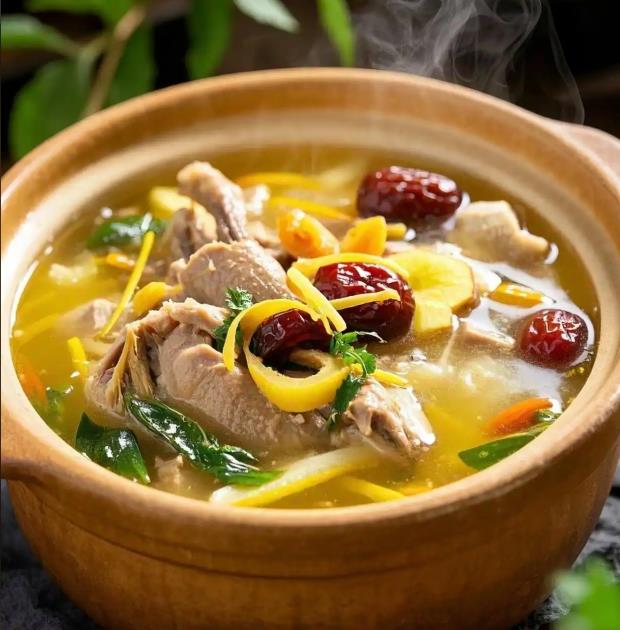
Soup can be a dish on its own, or it can be served before or during a meal. Different regions have different soup traditions. People in Guangdong are known for slow-cooked soups. Northern Chinese may drink noodle soup or egg drop soup. Sichuan people also have sour and spicy soup.
Soup is usually gentle in flavor and makes people feel comfortable. It also reflects the Chinese ideas of nourishment and balance.
Table Manners and Cultural Meaning
Respect at the Table
Chinese table manners show how people relate to one another.
Traditionally, elders or guests are often seated first and may begin eating first. During a meal, people usually avoid making loud noises, pointing with chopsticks, or sticking chopsticks upright into a bowl of rice.
These small rules may seem simple, but they show respect for age, guests, and social order.
Sharing Dishes Together
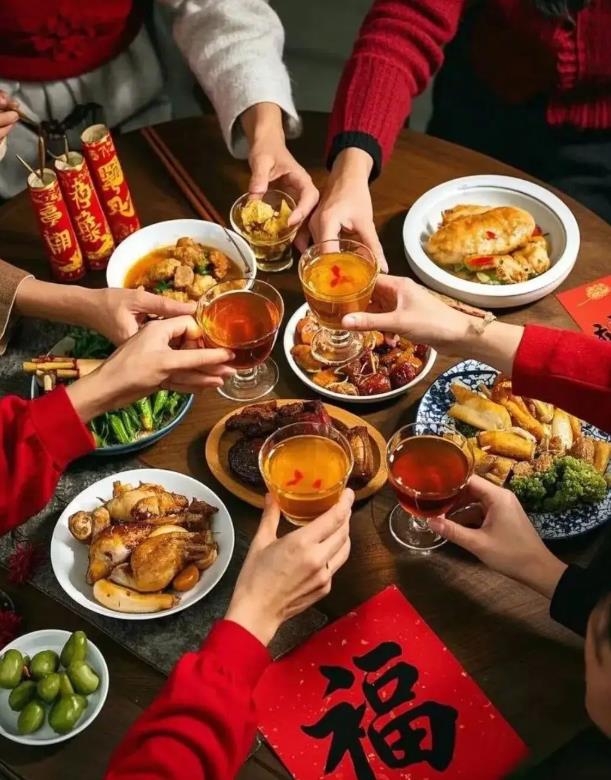
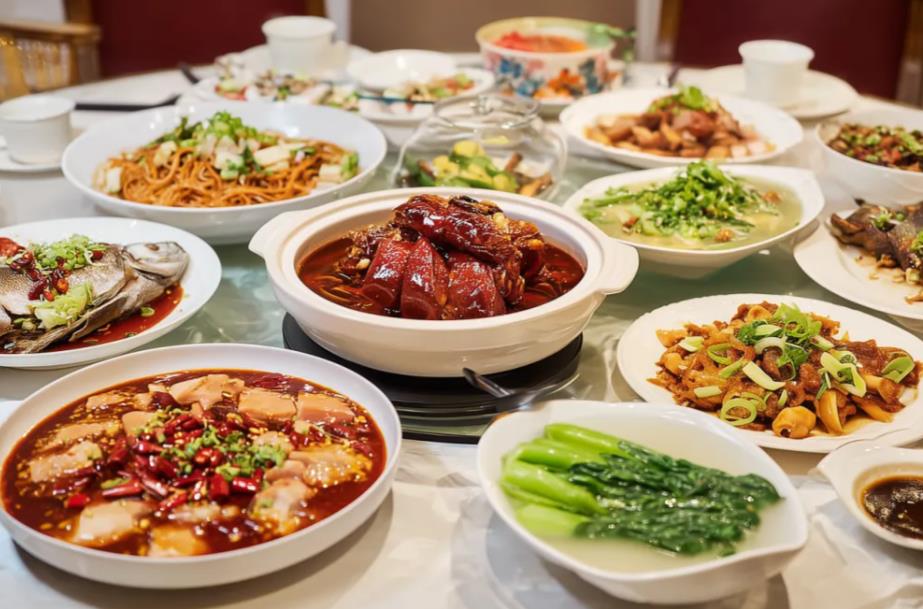
Unlike some countries where each person has their own plate, traditional Chinese meals often involve shared dishes.
A group of people sits around a table with several dishes in the center, and everyone shares the food. This style makes dining more social and shows the Chinese value of togetherness and sharing.
Today, many Chinese people also use serving chopsticks or choose individual portions, especially in more formal or health-conscious settings.
Festival Foods and Good Wishes
Many Chinese festivals have special foods.
For example:
- Spring Festival: dumplings, rice cakes, and sweet rice balls, symbolizing reunion, wealth, and rising higher each year
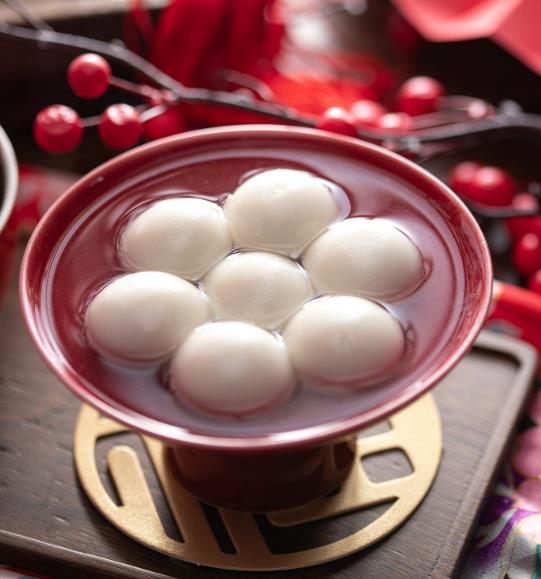
- Lantern Festival: sweet rice balls, symbolizing completeness
- Dragon Boat Festival: zongzi, or sticky rice dumplings, connected with tradition and good health
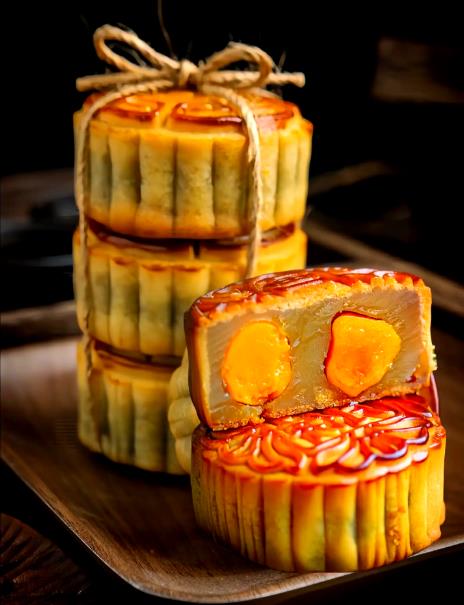
- Mid-Autumn Festival: mooncakes, symbolizing family reunion
- Birthdays: long-life noodles or eggs, expressing wishes for health and longevity
These foods are not only delicious. They also carry Chinese people’s hopes for family, health, and the future.
The Philosophy Behind Chinese Food
Following Nature
Chinese food pays great attention to seasonality.
This means choosing food according to the season. In spring, people may eat fresh young vegetables. In summer, they may prefer light and cooling foods. In autumn, they may choose nourishing foods. In winter, they may eat warm and hearty dishes.
This idea shows the Chinese wisdom of respecting nature and living with the changes of the seasons.
Seeking Balance
Chinese food values harmony.
One dish should have balanced flavors. One meal should also balance meat and vegetables, hot and cold dishes, strong and mild tastes. Chinese people believe that food should not be too extreme. A good meal should make the body feel comfortable.
This idea of balance is also related to traditional Chinese thinking about yin and yang and the importance of harmony.
Valuing Human Connection
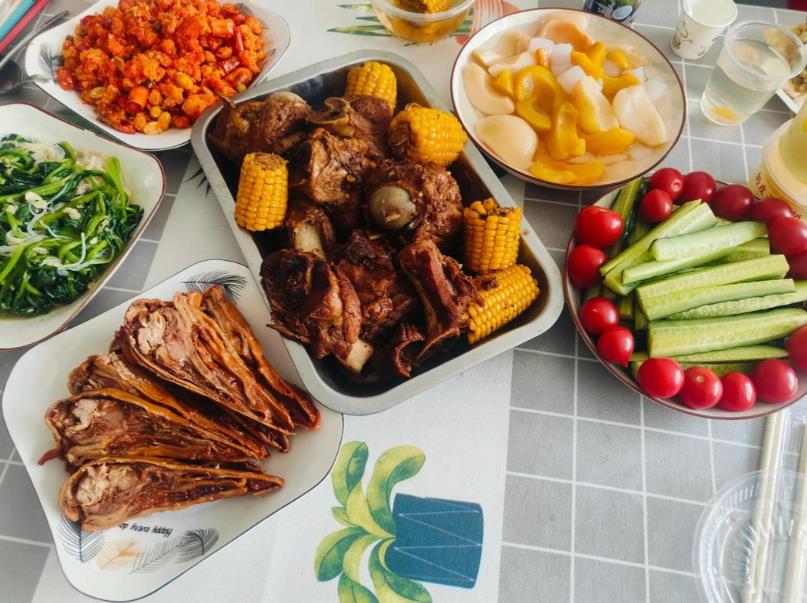
In China, inviting someone to eat is often a way of showing care.
Family reunions, meetings between friends, thanks to others, and celebrations of happy events often happen at the table. Food becomes a bridge between people.
A simple question like “Have you eaten?” is sometimes not just about food. In traditional Chinese life, it can also be a warm way of saying hello and showing concern.
How Foreigners Can Experience Chinese Food Culture
You do not need to know everything at the beginning. Here are a few simple ways to start.
Start with Familiar Dishes
You can begin with dishes that are easy to accept, such as:
- Fried rice
- Dumplings
- Noodles
- Steamed fish
- Kung Pao chicken
- Mapo tofu
- Xiaolongbao
- Hot pot
These foods are representative and can suit many different tastes.
Notice the Atmosphere
A Chinese meal is often lively. People sit around one table, share dishes, pour tea, chat, and enjoy the food together.
This atmosphere shows the Chinese love of family, friendship, and togetherness.
Try to Understand Food Symbols
Many Chinese foods carry symbolic meaning.
For example:
- Fish: often connected with the wish for “surplus year after year,” meaning abundance
- Dumplings: shaped like ancient ingots, symbolizing wealth and reunion
- Noodles: symbolizing long life
- Sweet rice balls: symbolizing completeness and reunion
- Rice cakes: suggesting “rising higher every year”
After learning these meanings, you may find that Chinese food is not only food, but also a kind of cultural symbol.
Respect Different Tastes
Chinese food has many different flavors. Some people like light food, while others love spicy food. Some prefer sweet flavors, and others prefer salty and savory ones.
When experiencing Chinese food, it is helpful to keep an open mind. If one dish does not match your taste, it does not mean it has no value. It may simply come from a different food tradition.
Why Chinese Food Culture Deserves Global Attention
Chinese food culture brings together nature, daily life, family, and art.
It starts with ordinary ingredients, passes through the hands of cooks and the control of heat, and becomes dishes with color, aroma, taste, and story. It satisfies the body, but it also expresses emotion and culture.
For global audiences, Chinese food is a window into Chinese life. Through it, people can feel the Chinese respect for nature, love of family, joy in daily living, and long pursuit of harmony and flavor.


There are no comments yet, come and comment~