
In the great family of Chinese opera, Ping Opera is like a storyteller who has walked out of the streets and alleys of northern China. It does not pursue elaborate stage conventions, nor does it try to create a mysterious artistic distance. Instead, it uses the simplest language and the most sincere emotions to tell the joys and sorrows of ordinary people.
Ping Opera, or Pingju in Chinese, originated in the Tangshan area of Hebei Province. It is one of the most influential local opera genres in northern China. Its singing is bright and lively, its language is easy to understand, and its stories are mostly drawn from everyday life and social reality. For this reason, it is often described as “the most down-to-earth of Chinese operas.”
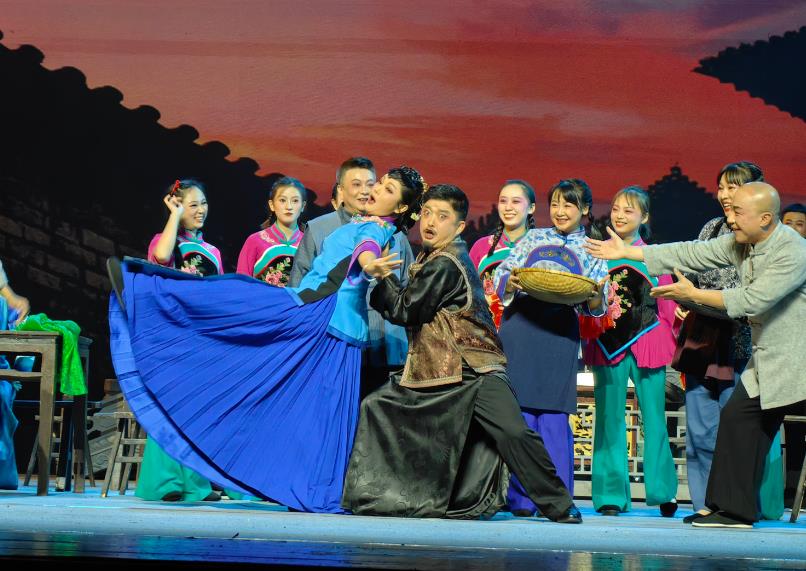
For foreign audiences, Ping Opera may not have the highly stylized visual symbols of Peking Opera, but it has a special power of its own: the melodies are catchy, the emotions are direct and intense, and the stories feel close to real life. Many people who meet Chinese opera for the first time begin to feel the unique charm of Chinese folk art through a single Ping Opera aria.
Where Ping Opera Comes From?
Lotus-Root Songs and Folk Storytelling
The earliest roots of Ping Opera can be traced back to northern folk storytelling arts such as Lianhualao and Bengbeng.
In the villages and towns of Hebei and Liaoning, folk performers would often sing in streets, markets, and temple fairs. Holding bamboo clappers, they beat and sang at the same time, telling stories about family life, folk legends, or local news. These performances were simple, yet full of everyday warmth, and deeply loved by ordinary people.
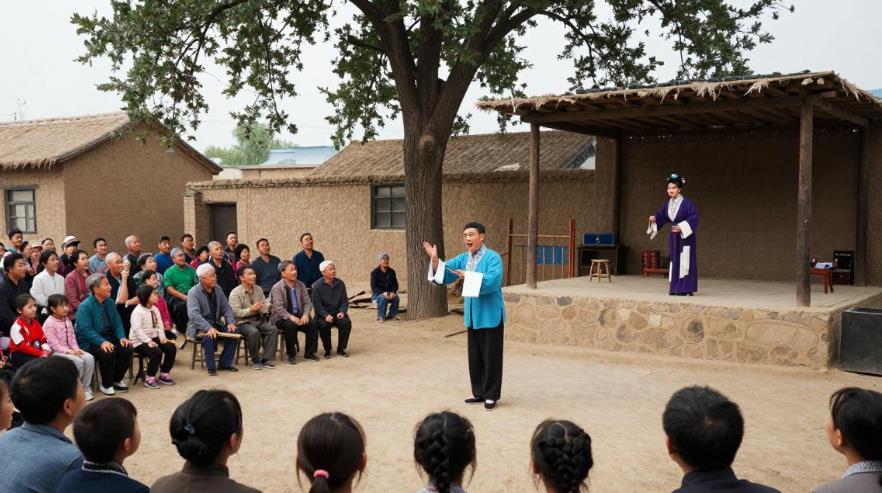
Over time, folk artists began to shape these little songs into performances with characters and plots. Slowly, “storytelling” became “acting.” This was the earliest form of Ping Opera.
From Street Stages to a Mature Opera Genre
Ping Opera developed gradually from folk performance to stage theatre.
In its early days, Ping Opera was mostly performed in villages and town streets. The troupes were small, and the acting was plain. There were no complicated sets or strict stage rules. What moved the audience was the singing and the actors’ spoken lines.
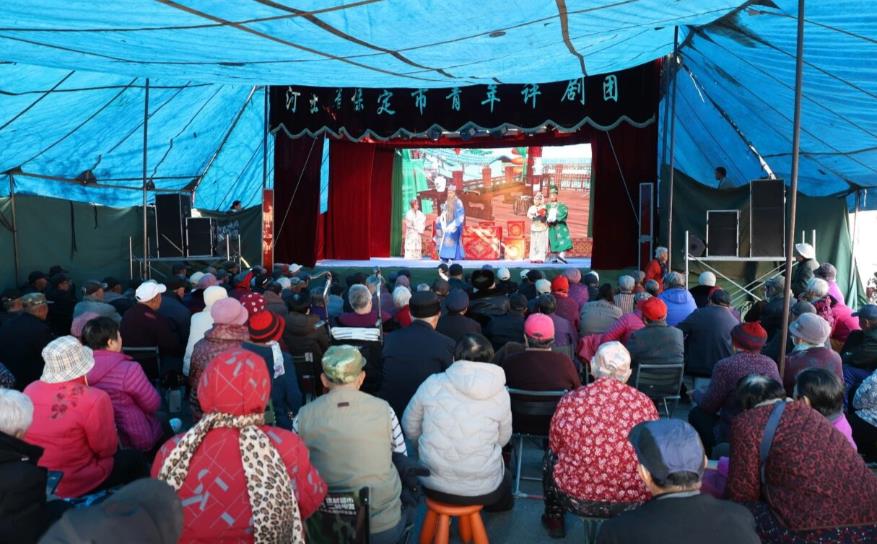
In the early 20th century, Ping Opera gradually entered cities, especially Tianjin, Beijing, and Shenyang. There it absorbed strengths from Peking Opera, Bangzi, and other opera forms. Its performance style became richer, and its music more mature.
Today, Ping Opera keeps the simplicity of folk art while also possessing the completeness of stage theatre. That is why it has such a wide audience in northern China.
Why Ping Opera Sounds So Appealing?
Bright Singing, Strong Emotion
The greatest attraction of Ping Opera lies in its singing.
Its melodies are not soft and winding like some southern operas. Instead, they are bright, lively, and straightforward. They carry both the openness of northern people and the plain beauty of folk art.
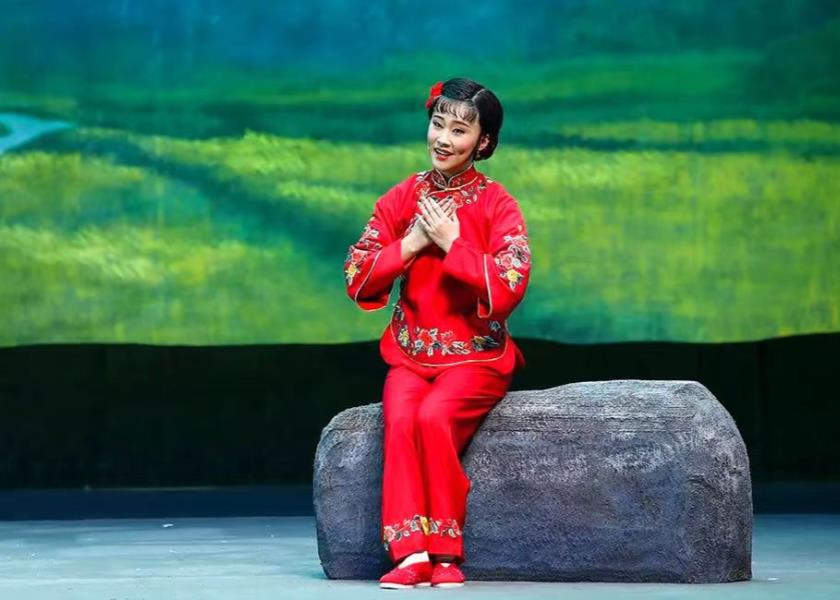
Ping Opera singing is often emotionally intense. When a character is happy, the voice rings out clearly; when angry or sad, it becomes powerful and stirring; when longing for someone, it can make the listener’s heart tighten. Because of this, even audiences who do not fully understand the story can still feel the character’s emotion through the singing.
Language Close to Everyday Life
The language of Ping Opera is very close to ordinary speech. Unlike some classical operas, it does not demand a high level of background knowledge. Its lyrics are often plain and natural, sometimes carrying everyday humour and gentle satire.
This is one reason why Ping Opera is especially easy for ordinary audiences to accept. It does not try to sound refined. Instead, it uses ordinary people’s words to tell ordinary people’s stories.
Stories Drawn from Real Life
Many Ping Opera stories are taken from real life or folk legends: family relationships, love and marriage, social conflicts, loyalty and betrayal. These themes are close to life and easy for audiences to feel.
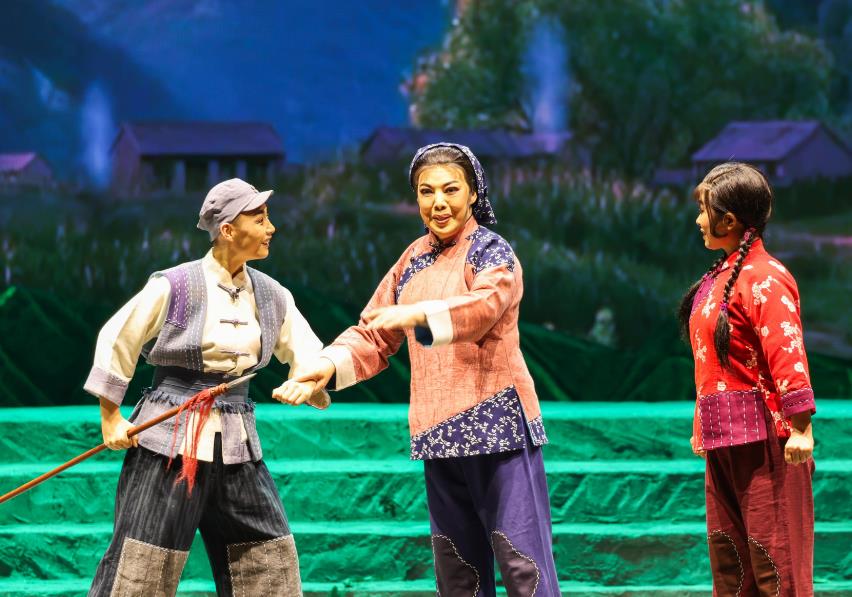
Unlike some operas that focus on historical heroes or court life, Ping Opera pays more attention to the fate and emotions of ordinary people. That is why it often feels as if the story is happening right beside the audience.
The Performance Style of Ping Opera
Singing First, Emotion Always
Ping Opera places great importance on singing. One could say that singing is its soul.
Actors use their voices to show the inner changes of a character. A mother’s worry, a wife’s grievance, a young man’s anger, or a lover’s reluctance to part — all of these are often hidden in the bright, powerful singing.
Compared with operas that emphasize body movement and complex stage conventions, Ping Opera focuses more on direct emotional expression. Its acting does not pursue subtlety, but truth, intensity, and moving power.
Simple and Natural Acting
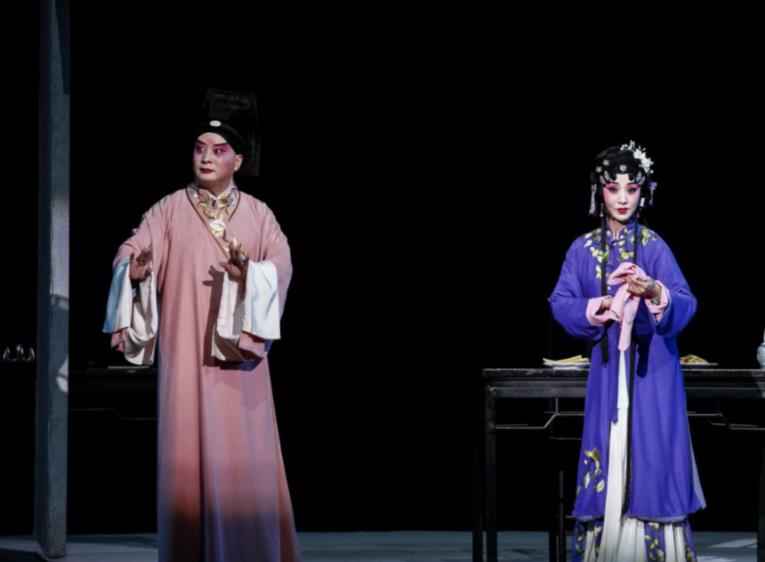
The stage style of Ping Opera is relatively simple. The actors’ movements are natural and generous, their expressions are sincere, and their singing is bright and clear.
It does not use the strongly stylized painted faces of Peking Opera, nor does it rely on flashy spectacle. The beauty of Ping Opera is more plain, open, and close to everyday life.
When watching Ping Opera, audiences often feel that the story is not far away. The characters seem to have walked out of neighbourhoods, fields, and ordinary family life, bringing real emotions to the stage.
Lively and Powerful Music
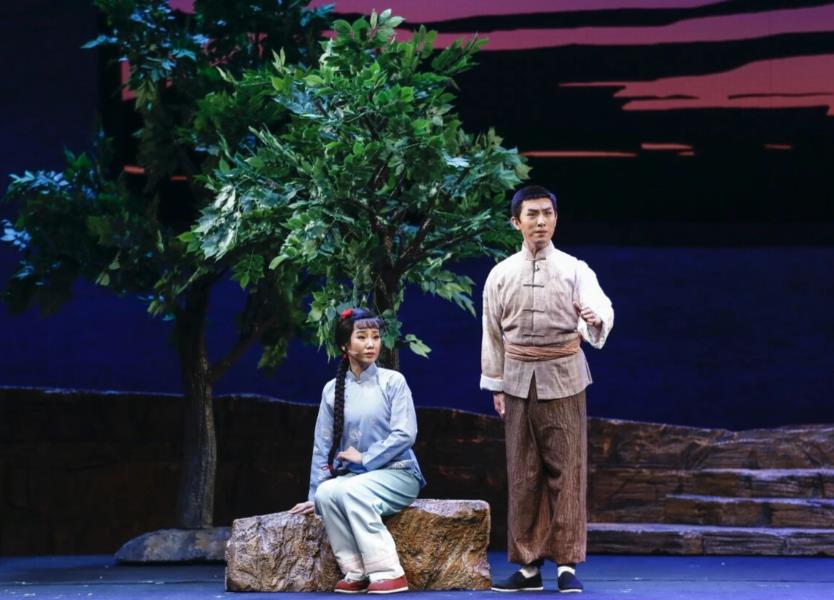
The music of Ping Opera is built on northern Chinese folk music. The melodies are bright, and the rhythms are strong. It carries both the liveliness of folk tunes and the complete musical structure of theatre.
Many Ping Opera arias are so catchy that listeners want to hear them again and again. This is also an important reason why the genre has spread so widely.
Roles and Characters
Folk Expressions of Sheng, Dan, Jing, and Chou
The role types in Ping Opera are not as complex as in some other operas. It pays more attention to character and emotion.
Common roles include:
- Young male lead (xiaosheng): usually a sincere, upright, and responsible young man.
- Young female lead (huadan): often lively, clever, or gentle.
- Older male and older female roles: representing parents, elders, or senior family members.
- Comic roles: bringing humour and everyday warmth to the story.
The characters in Ping Opera are rarely distant heroes. They are ordinary people with flaws, feelings, and the texture of real life. Because of this, audiences can more easily feel close to them.
The Resilience of Female Characters
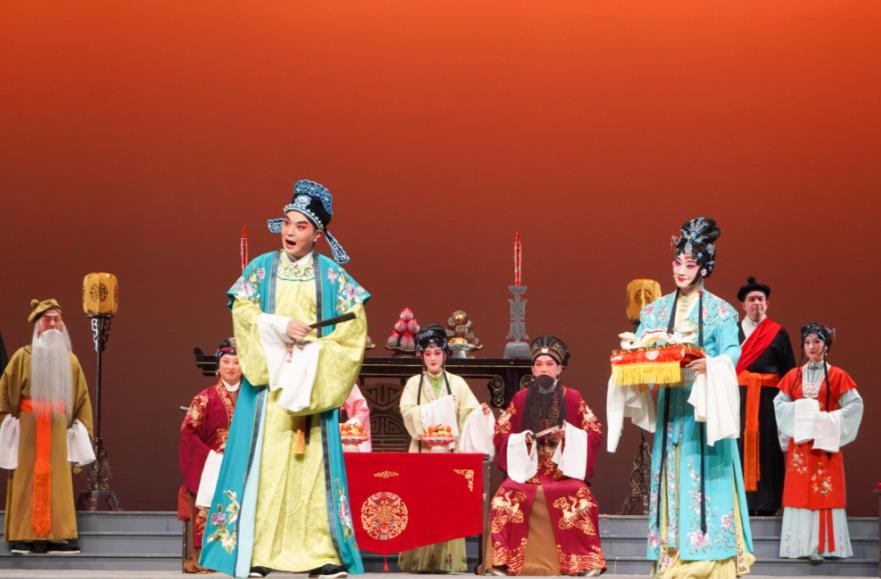
The female characters in Ping Opera are especially moving.
Sometimes they bravely pursue love; sometimes they face family pressure; sometimes they remain kind in difficulty; sometimes they show great strength under oppression. Through singing, eye movement, and small gestures, the actors reveal the inner waves of these characters.
This expression of resilience is one of the most touching qualities of Ping Opera.
Costumes and Makeup
Truth in Simplicity
The costumes and makeup of Ping Opera are generally simple and natural.
Unlike Peking Opera, it does not use bold painted faces or pursue dramatic visual impact. Instead, it focuses on showing a character’s identity, personality, and mood.
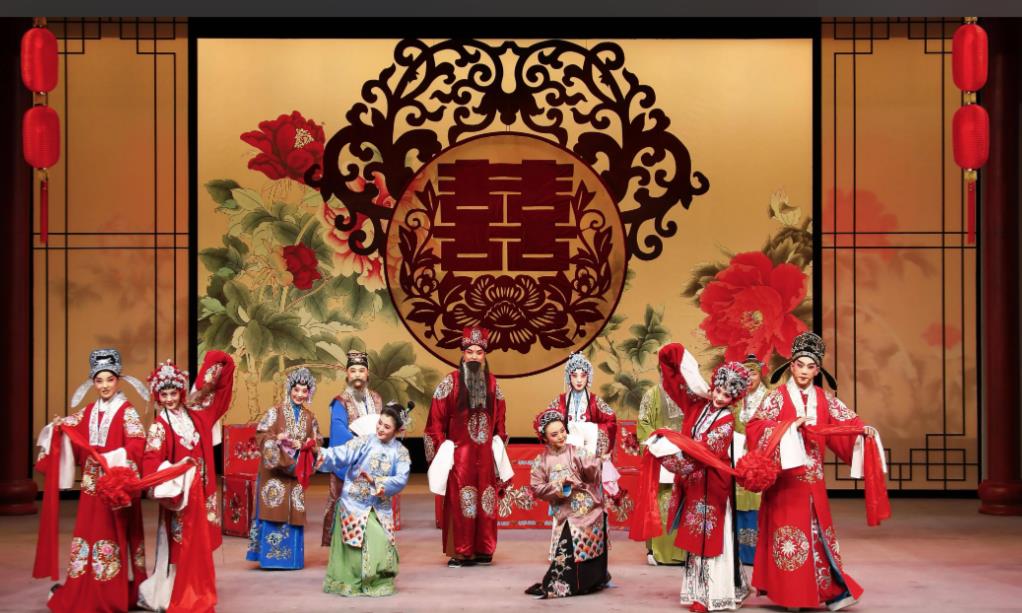
The costumes use bright colours and clean lines. They carry the beauty of traditional Chinese theatre while also feeling close to everyday life. Female costumes are often graceful and refined, while male costumes appear neat and natural.
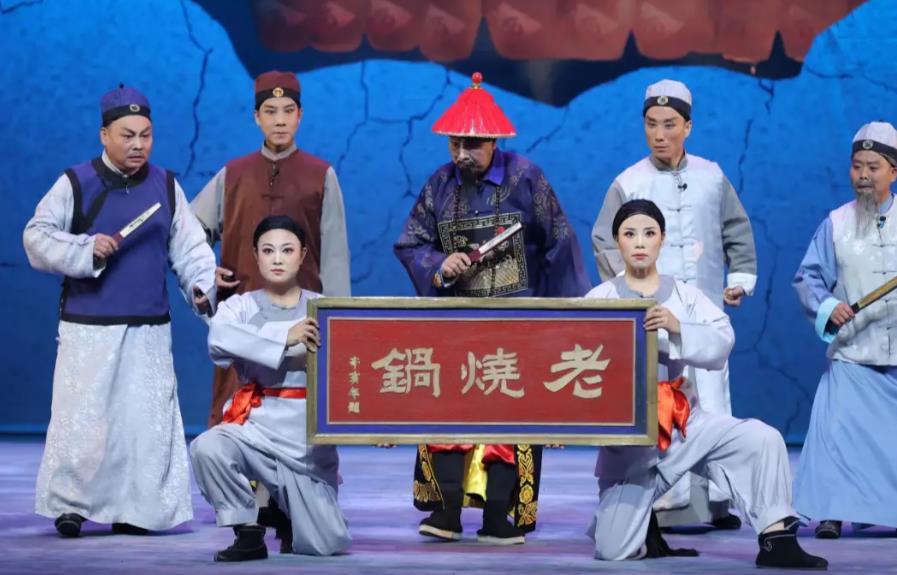
Natural and Sincere Makeup
The makeup in Ping Opera is usually light and fresh. Actors’ faces are made up in a natural, sincere way so that the audience can clearly see their changing expressions.
This style matches the overall spirit of Ping Opera: not showy, not heavy, but plain and warm.
For foreign audiences, this visual style is also easy to appreciate. It keeps the features of Chinese traditional theatre while never feeling too distant.
Classic Works to Begin With
If you would like to know Ping Opera, you may start with some of its most famous works.
The Flower as Matchmaker (Hua Wei Mei)
The Flower as Matchmaker is one of the most representative works of Ping Opera.
The story tells of Zhang Wuke, Ruan Ma, and other characters whose love story unfolds through the flower as a matchmaker. The plot is light and humorous, the singing is beautiful, and the whole work is full of everyday charm and folk wisdom.
Many of its arias are bright and heartfelt, making them among the finest examples of Ping Opera music.
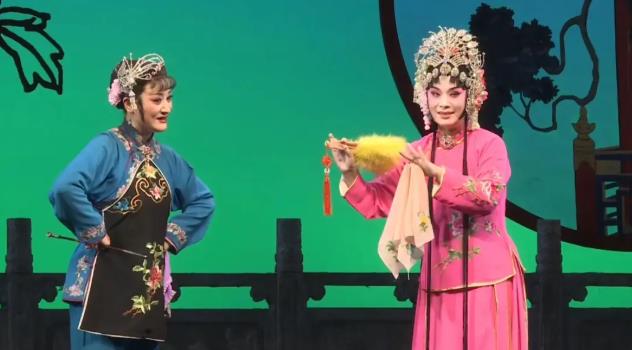
Yang Sanjie Brings a Lawsuit (Yang Sanjie Gaozhuang)
Yang Sanjie Brings a Lawsuit is a greatly loved realist Ping Opera work.
The story is based on a real event. It tells of Yang Sanjie, a young rural woman who seeks justice for her elder sister and, after many hardships, finally brings a villain to account. The plot has strong dramatic conflict, and it also shows the resilience and sense of justice of ordinary people.
This opera is popular not only because the story is moving, but also because it creates such a memorable female character.
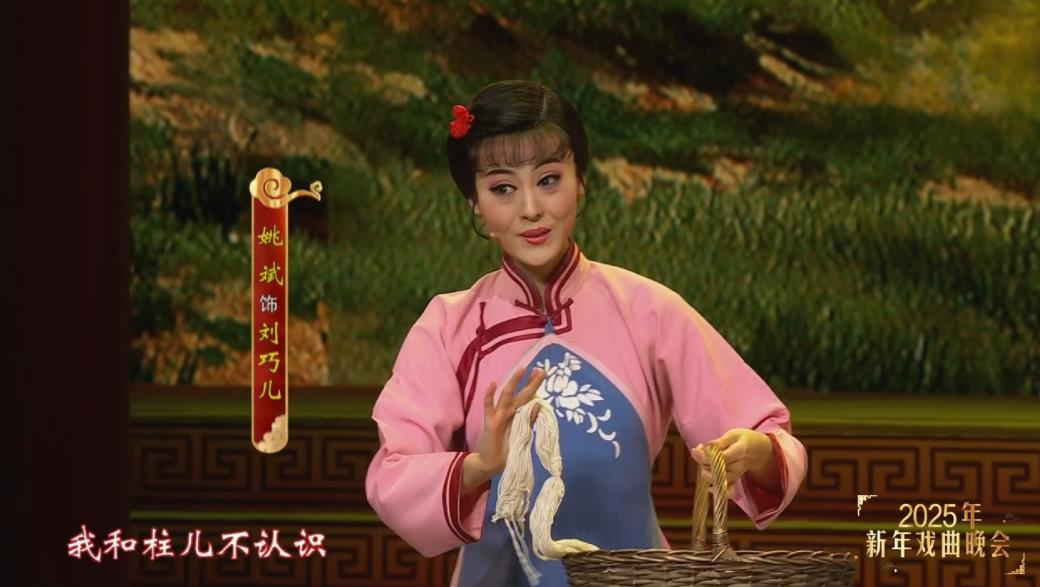
Liu Qiao’er
Liu Qiao’er is a classic Ping Opera work reflecting new social life.
The story tells of Liu Qiao’er, a rural young woman who bravely pursues freedom of marriage and resists arranged marriage. The plot carries the spirit of its time, and it also expresses young people’s longing for a happy life.
The Little Son-in-Law (Xiao Nüxu)
The Little Son-in-Law is a comedy full of everyday charm.
It tells of the amusing situations between a “little son-in-law” and his “older wife” in the old system of arranged marriage. The language is lively, the plot is light, and the humour feels warm. Works like this show the close-to-life side of Ping Opera.
Why Ping Opera Deserves a Global Audience?
It Is an Artistic Expression of Chinese Folk Emotion
Ping Opera is more than a local opera. It is an artistic expression of Chinese folk feeling.
It sings of love and daily life, of parting and reunion, of ordinary people’s grievances and ordinary people’s hope. Many stories take place in the past, yet the human warmth inside them can still touch hearts today.
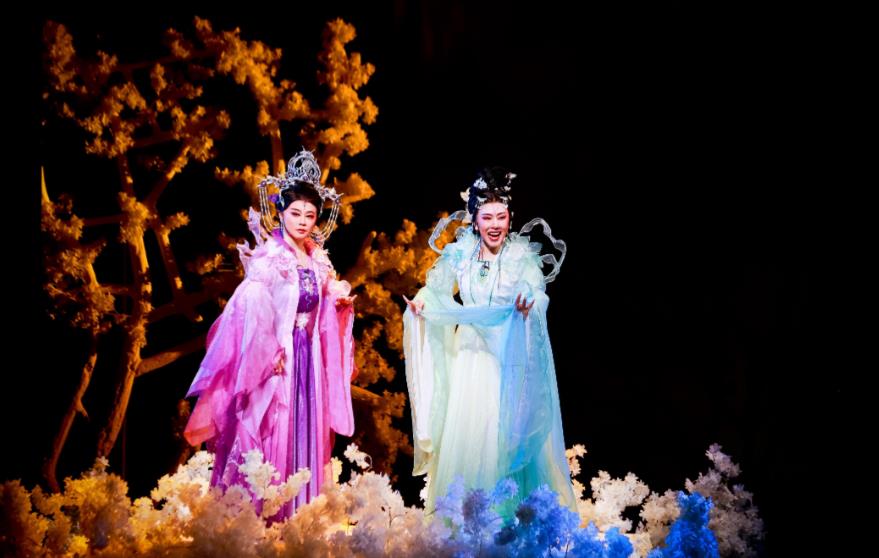
It Helps Foreign Audiences Enter Chinese Opera
For foreign audiences meeting Chinese opera for the first time, Ping Opera is often a wonderful starting point.
Its melodies are bright, its language is relatively easy, and its stories are not hard to follow. Even if viewers do not yet understand traditional opera conventions, they can still feel the characters’ emotions through the music and performance.
In this way, Ping Opera is like a bridge, leading people toward the wider world of Chinese opera.
It Shows the Plain Side of Chinese Culture
Chinese culture has not only a grand and solemn side, but also a plain, open, and life-centred side. Ping Opera shows this plainness.
It does not pursue strong conflict. Instead, it slowly unfolds a character’s inner world through song. It does not preach. Instead, it lets audiences feel kindness, sincerity, and beauty through the story.
This artistic spirit makes Ping Opera a very warm and approachable part of Chinese traditional culture.
Tips for First-Time Listeners
If you would like to begin enjoying Ping Opera, here are a few simple suggestions.
Start with Famous Arias
You do not need to watch a full opera at first. Try listening to well-known arias. Their melodies are bright and easy to remember, and they can help you feel the musical charm of Ping Opera.
Learn the Basic Story
Most Ping Opera stories come from folk legends or real life. Knowing the basic plot beforehand makes it easier to follow the characters’ emotions.
Watch the Singing and Expressions
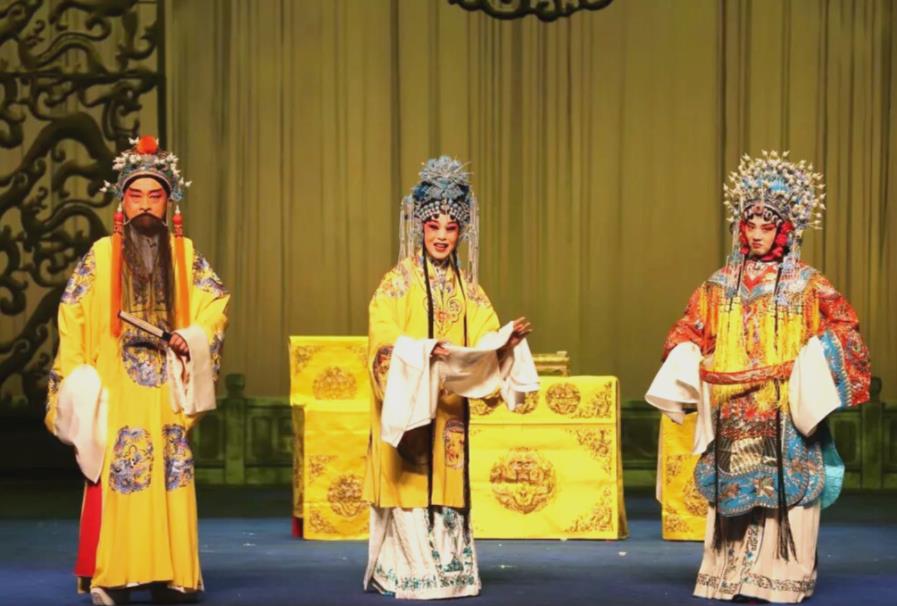
Much of Ping Opera’s beauty lies in the singing and the actors’ expressions. Changes in volume, rhythm, and eye movement can all reveal what a character feels inside.
Do Not Worry If You Cannot Understand Every Word
The language and singing style may take a little time for beginners to enjoy. This is completely normal. You can read subtitles first, then slowly feel the melody and performance.
Choose Lighter Stories at First
For a first experience, it is helpful to choose a work with a lighter plot and more everyday warmth. This makes it easier to enter the world of Ping Opera.
The beauty of Ping Opera does not lie in complicated stage forms. It lies in the way it sings ordinary human feelings so truly and so intensely.
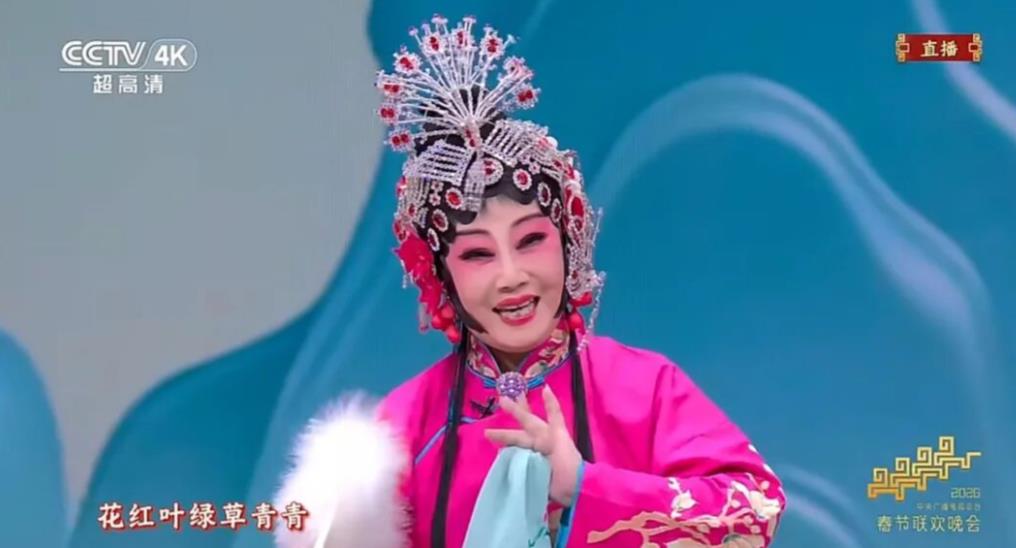
The first time you hear Ping Opera, you may find it straightforward. But if you listen quietly, you will discover that inside that bright voice lies a deep Chinese understanding of love, family, and life.



There are no comments yet, come and comment~