
There is an old Chinese saying: “Food is the first necessity of the people.” It means that eating is one of the most important parts of everyday life. In China’s rich food culture, Lu cuisine holds a very special place.
Lu cuisine is the traditional cuisine of Shandong Province. It is one of China’s Eight Great Cuisines, and it comes from the region historically known as Qi and Lu, in present-day Shandong. Shandong lies in eastern China, with the Bohai Sea and Yellow Sea to its north and east, and neighboring provinces such as Jiangsu, Anhui, and Henan nearby. This location gives Shandong both mountain products and fresh seafood, making its ingredients very diverse.
Lu cuisine is not only delicious but also deeply historical. It is widely considered one of the earliest and most influential culinary traditions in China. Many northern Chinese cooking styles have been shaped by Lu cuisine. In the history of Chinese food, Lu cuisine can be seen as a foundational tradition.
The History of Shandong Cuisine: From Ancient Times to the Imperial Court
A Long Culinary Tradition
The history of Lu cuisine can be traced back more than two thousand years.
Shandong is the homeland of Confucius and Mencius, and also the birthplace of Confucian culture. As early as the Spring and Autumn Period and the Warring States Period, food culture in the Qi and Lu region was already quite refined. Ancient Chinese thinkers believed that eating was not only about filling the stomach. It should also reflect propriety, cleanliness, and a balance of flavors. This idea later had a deep influence on the development of Lu cuisine.
During the Tang and Song dynasties, food culture in Shandong continued to grow. Cities such as Jinan and Qufu became lively centers where restaurants and teahouses flourished, and new dishes appeared one after another.
Lu cuisine truly matured during the Ming and Qing dynasties. In the Qing Dynasty especially, it entered the imperial court and became an important part of imperial cuisine. Many emperors appreciated its rich, balanced flavors and generous style. A number of palace chefs also came from Shandong. Because of this, Lu cuisine gradually grew from a regional tradition into a culinary system with nationwide influence.
Confucian Mansion Cuisine: Where Food Meets Ritual
When talking about the history of Lu cuisine, it is impossible to ignore Confucian Mansion cuisine.
The Confucian Mansion was the residence of the descendants of Confucius, located in Qufu, Shandong. Over many generations, the Confucius family developed its own distinctive food tradition. This tradition combined the simplicity of Shandong cooking with the refined etiquette of Confucian culture.
Confucian Mansion cuisine is known for:
- Careful selection of ingredients
- Detailed preparation and elegant presentation
- Refined dish names with cultural meaning
- Strict banquet rules that reflect respect, order, and hierarchy
Confucian Mansion cuisine may be the most culturally refined branch of Lu cuisine. It connects food with ritual, history, and philosophy, turning a meal into more than nourishment and making it a cultural experience.
The Three Branches of Lu Cuisine: Jinan, Jiaodong, and Confucian Mansion Cuisine
Lu cuisine is not a single uniform style. Inside it, there are several regional traditions. Generally, it is divided into three main branches: Jinan cuisine, Jiaodong cuisine, and Confucian Mansion cuisine.
Jinan Cuisine: Bold, Savory, and Skilled with Heat
Jinan is the capital of Shandong Province, and Jinan cuisine is one of the most representative branches of Lu cuisine.
Jinan cuisine tends to have a richer, more savory flavor. It is known for being full-bodied and hearty, with a strong emphasis on techniques such as quick-frying, stir-frying, braising, and deep-frying. The dishes often show excellent control of heat and strong aromas.
Representative Jinan dishes include:
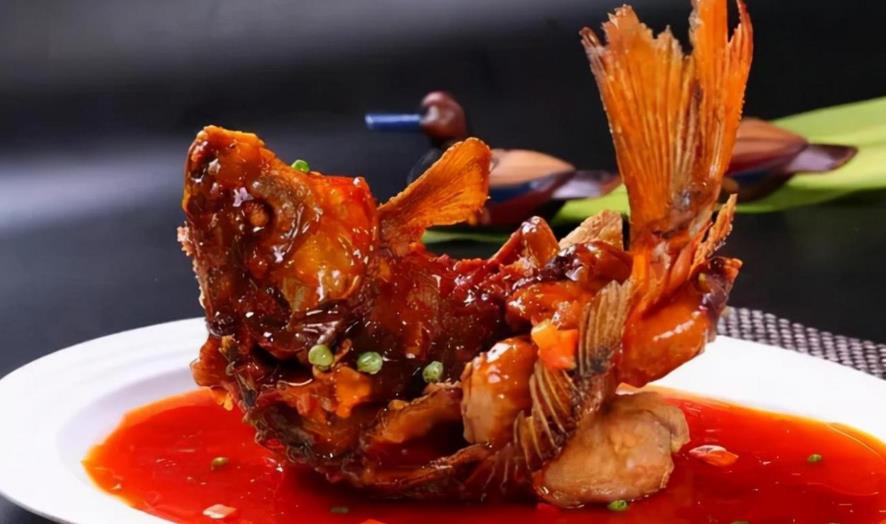
- Sweet and Sour Carp: The fish is shaped to look as if it is leaping, with a crisp outside, tender inside, and a balanced sweet-and-sour sauce
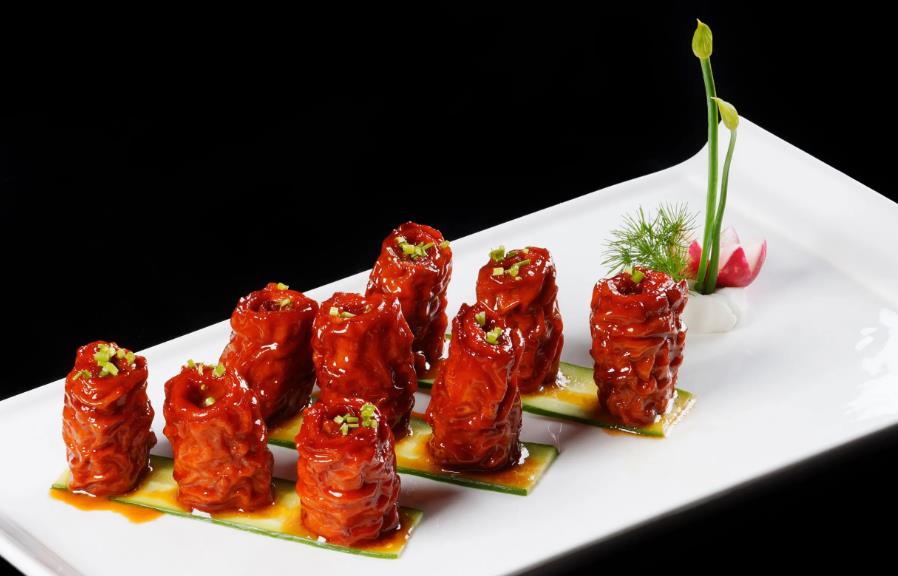
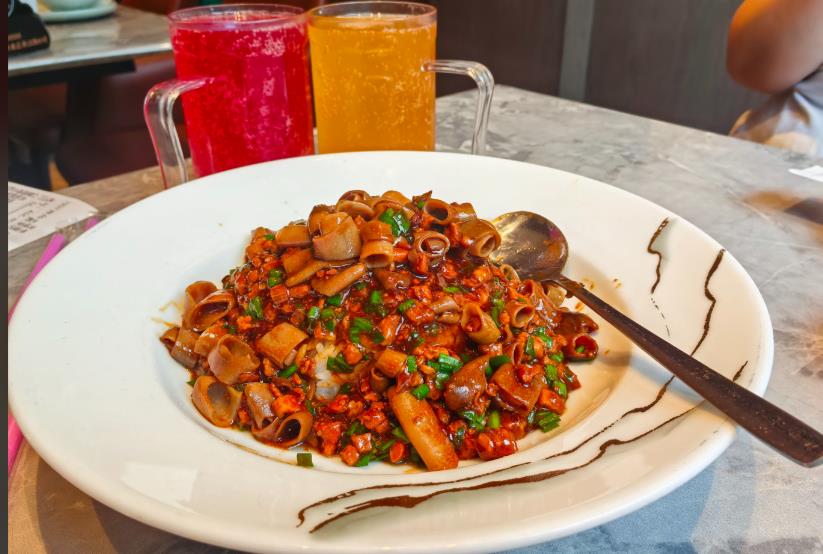
- Nine-Turn Large Intestine: A complex dish with rich layers of flavor and a soft yet chewy texture
- Quick-Fried Kidney: Cooked over high heat for a tender and smooth result
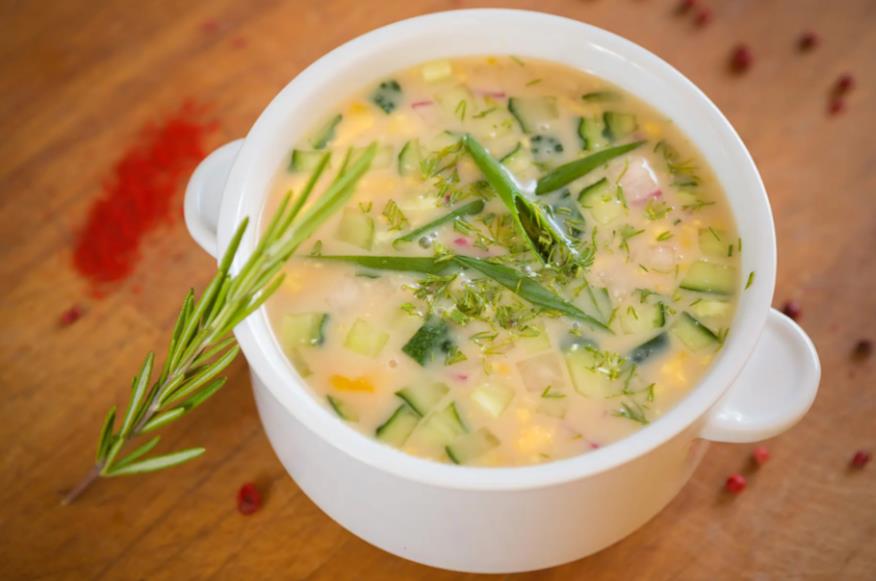
- Milk-Style Soup with Pu Vegetable: A dish made with thick white broth and tender local water vegetables
Jinan cuisine often feels generous and substantial. A typical dish may come in a large portion, with strong flavor, confident seasoning, and careful control of cooking heat.
Jiaodong Cuisine: Fresh Seafood from the Coast
The Jiaodong Peninsula lies in eastern Shandong and is surrounded by the sea on several sides. Because of this, Jiaodong cuisine is strongly connected with seafood.
Jiaodong cooking values freshness above all. Its methods are often simpler, because the goal is to preserve the natural taste of the sea. Common techniques include steaming, boiling, cold dressing, and quick saucing.
Representative Jiaodong dishes include:
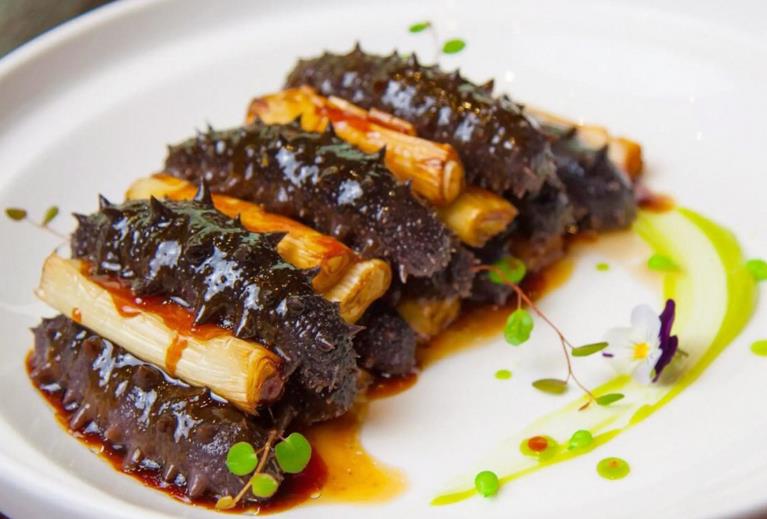
- Braised Sea Cucumber with Scallion: A classic Lu dish with soft sea cucumber and fragrant scallions
- Oil-Exploded Sea Snail: Sea snail cooked quickly in hot oil for a fragrant and tender result
- Steamed Jiayi Fish: A simple steamed fish dish that highlights the natural sweetness of the seafood
- Braised Abalone in Shell: Abalone served in its shell with rich, flavorful sauce
Jiaodong cuisine is often described by one word: fresh. It is usually less heavy than Jinan cuisine, using gentle cooking methods to bring out the natural flavor of seafood.
Confucian Mansion Cuisine: Refined, Elegant, and Cultured
Confucian Mansion cuisine has already been mentioned, but it deserves more attention.
It is the most culturally refined branch of Lu cuisine. Many of its dishes are not only delicious but also carry historical stories and Confucian values.
Representative Confucian Mansion dishes include:
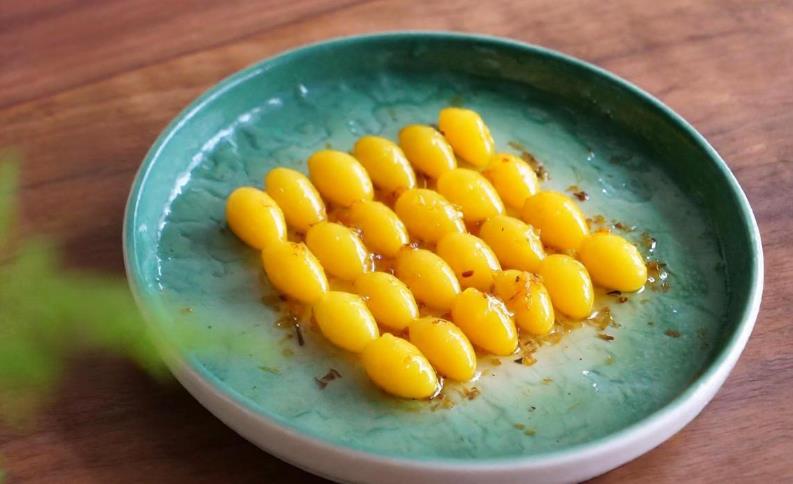
- Poetic Ginkgo: A dish with a literary name and soft, sweet ginkgo nuts
- Father and Son Attend the Court: A traditional dish with symbolic meaning
- First-Rank Tofu: Carefully prepared tofu with a smooth and delicate texture
- Immortal Duck: Tender duck with rich and mellow broth
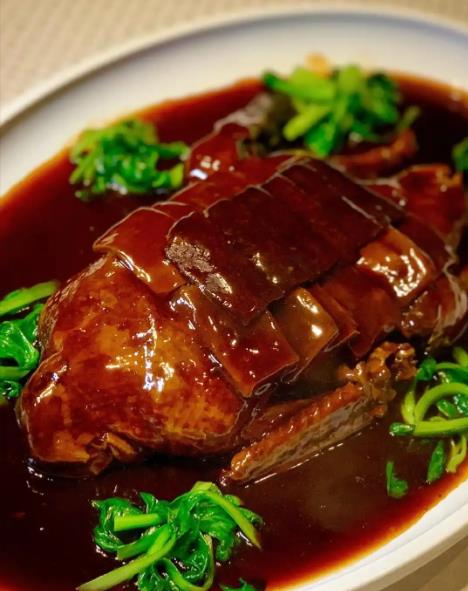
Banquets in Confucian Mansion cuisine are especially formal. The order of dishes, their placement, and even their names can carry cultural meaning. Because of this, Confucian Mansion cuisine feels like a historical book that can be experienced through taste.
The Flavor Profile of Lu Cuisine: Savory, Rich, and Balanced
If Lu cuisine could be described in a few words, they would be: savory, rich, balanced, and carefully controlled in heat.
Savory Freshness as the Foundation
The basic flavor of Lu cuisine is savory freshness.
This does not mean simply adding a lot of salt. Instead, salt, soy sauce, and broth are used to bring out the natural taste of the ingredients. The result is food that tastes fresh without being greasy, and savory without being flat.
The Importance of Stock
Lu cuisine places great importance on stock.
Stock is a rich broth made by simmering ingredients such as chicken, duck, and pork bones for a long time. In Lu cuisine, many dishes use stock to deepen their flavor. The stock gives the food a fuller, rounder, and more satisfying taste.
There is a traditional saying in Lu cuisine that suggests many dishes depend on good stock. Without a well-made stock, the flavor of a dish may lack depth. This is one of the important features that distinguishes Lu cuisine from other Chinese culinary traditions.
Careful Control of Heat
Lu cuisine also demands great skill in controlling heat.
Whether a dish is quick-fried, stir-fried, or slowly braised, the timing and temperature must be right. If the heat is too high, the food may burn. If it is too low, the flavor may not develop fully. A skilled Lu cuisine chef usually needs many years of practice to master this balance.
The technique of quick-frying, for example, requires very high heat for a short time. The goal is to cook the ingredients quickly while keeping them tender and juicy inside. This is not easy, and it shows the technical skill behind Lu cuisine.
Generous and Substantial Style
Another characteristic of Lu cuisine is its generous style.
In terms of portion size, presentation, and cooking method, Lu cuisine often feels open and confident. It does not always pursue extreme delicacy in small portions. Instead, it values dishes that feel satisfying, hearty, and complete.
This style is closely connected with the character often associated with Shandong people: straightforward, warm, and generous.
Classic Dishes of Lu Cuisine
Lu cuisine has many famous dishes. The following are some of the most representative ones.
Sweet and Sour Carp
Sweet and Sour Carp is one of the most famous dishes in Lu cuisine.
A fresh carp is carefully cut and shaped so that it looks like it is leaping upward. It is then deep-fried until the outside is crisp and the inside remains tender. Finally, a sweet-and-sour sauce is poured over the fish.
The dish is not only flavorful but also symbolic. The leaping fish suggests the image of a fish jumping over the dragon gate, a traditional symbol of success, progress, and a bright future.
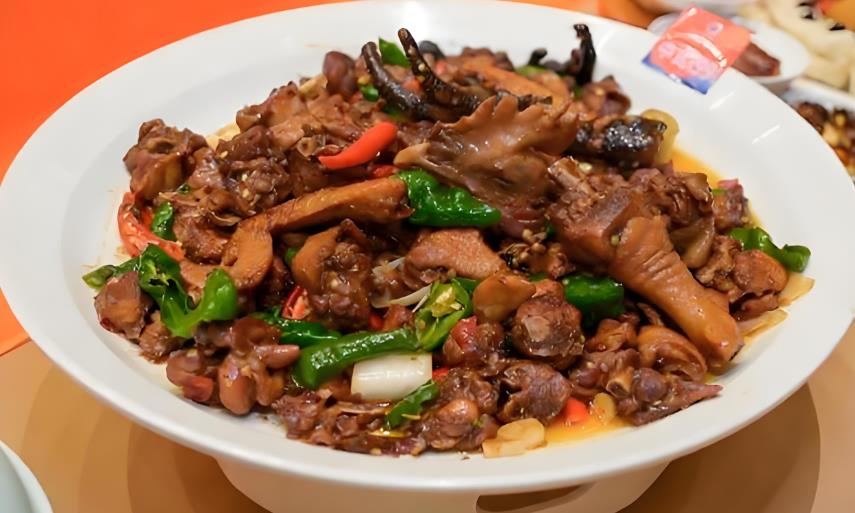
Nine-Turn Large Intestine
Nine-Turn Large Intestine is a classic dish from Jinan cuisine.
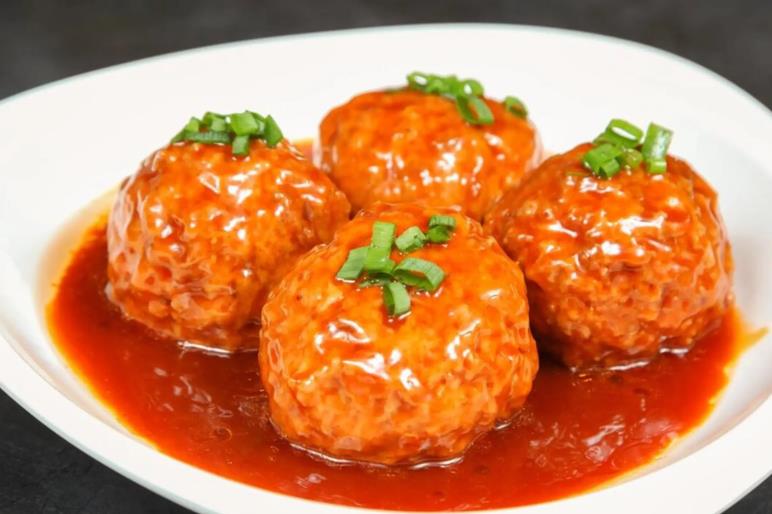
Its preparation is quite complex. The large intestine must be cleaned, blanched, fried, and braised through several steps. The finished dish has a glossy red-brown color, a soft yet chewy texture, and a layered flavor that combines sweet, sour, salty, and savory notes.
The name “Nine-Turn” is said to suggest the many careful steps involved in making the dish, much like a long and refined process.
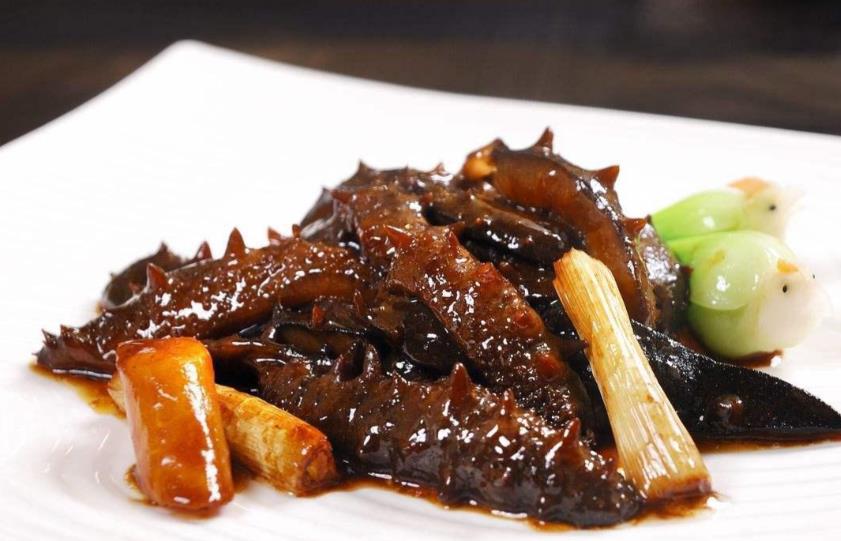
Braised Sea Cucumber with Scallion
Braised Sea Cucumber with Scallion is a representative dish of Jiaodong cuisine and one of the more prestigious dishes in Lu cuisine.
Sea cucumber itself has a mild flavor, but it absorbs other flavors very well. Lu cuisine chefs braise it with plenty of scallions and rich stock, allowing the sea cucumber to take in both the fragrance of the scallions and the depth of the broth. The result is soft, smooth, and deeply flavorful without being heavy.
Quick-Fried Kidney
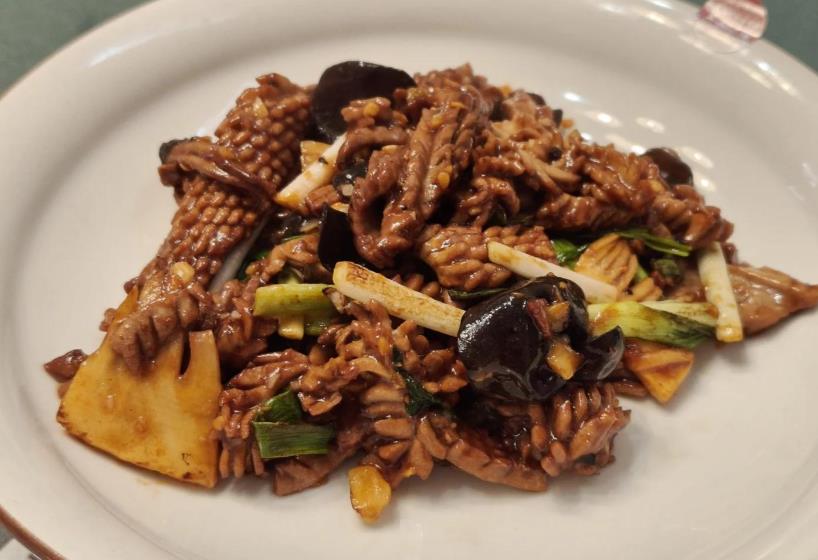
Quick-Fried Kidney is a dish that tests a chef’s control of heat.
Pork kidney is cut with careful knife work and then stir-fried quickly over high heat. When done well, the kidney is tender, smooth, and free of any strong smell.
The dish may look simple, but achieving the right texture requires skill and experience.
Milk-Style Soup with Pu Vegetable
Milk-Style Soup with Pu Vegetable is a traditional dish from Jinan.
The “milk” in the name does not mean dairy milk. It refers to a thick white broth made by simmering chicken, duck, pork bones, or similar ingredients until the soup turns creamy white. Pu vegetable is a local water vegetable from Shandong, known for its crisp and tender texture.
In this dish, the rich white broth and the delicate vegetable create a flavor that is fresh, smooth, and quietly luxurious.
The Influence of Lu Cuisine on Chinese Food Culture
The influence of Lu cuisine extends far beyond Shandong Province.
A Foundation for Northern Chinese Cuisines
Lu cuisine is one of the foundations of northern Chinese cooking. Beijing cuisine, Tianjin cuisine, and northeastern Chinese cuisine have all been influenced by Lu cuisine to varying degrees, especially in cooking techniques and flavor balance.
Beijing is a good example. During the Ming and Qing dynasties, many imperial chefs came from Shandong. They brought Lu cuisine techniques and flavors into the imperial court and, over time, into Beijing’s broader food culture. Because of this, some traditional Beijing dishes still show the influence of Lu cuisine.
Contributions to Chinese Cooking Techniques
Lu cuisine has also contributed many important cooking techniques.
Examples include:
- Quick-frying: Cooking ingredients rapidly over high heat to preserve freshness
- Braising: Often frying first and then cooking slowly in sauce
- Pan-simmering: Arranging ingredients neatly and cooking them gently in flavorful broth
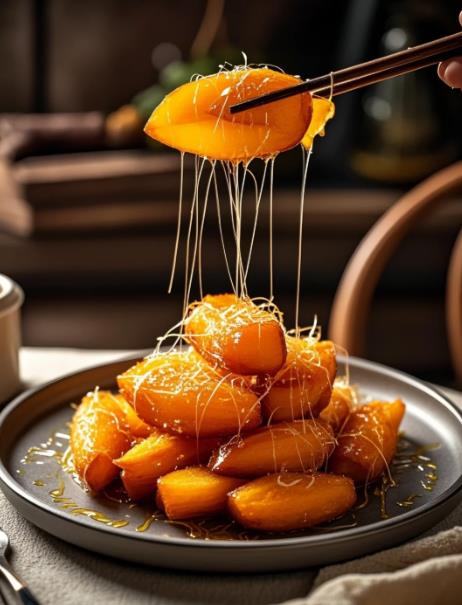
- Sugar-pulling: Cooking sugar until it forms fine threads, then coating ingredients with it
These techniques were later adopted and adapted by other Chinese culinary traditions, becoming common tools in Chinese cooking.
Influence on Banquet Culture
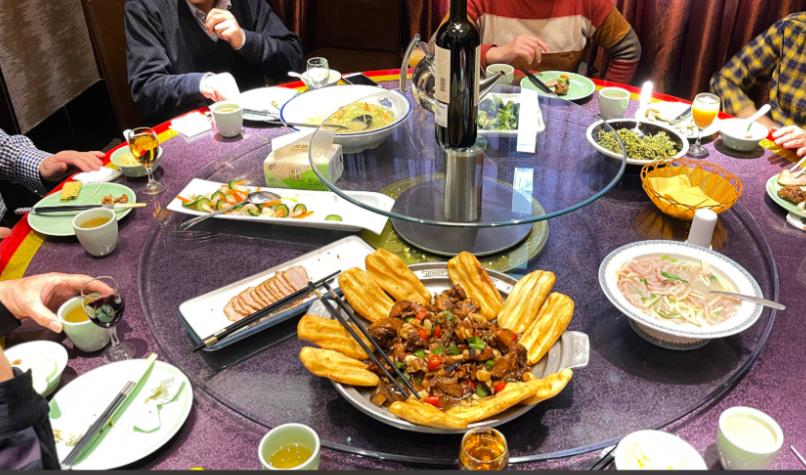
Lu cuisine, especially Confucian Mansion cuisine, has also influenced traditional Chinese banquet culture.
Confucian Mansion banquets paid close attention to the order of dishes, the pairing of flavors, the arrangement of tableware, and the rules of etiquette. This careful approach to formal dining later influenced imperial banquets and large traditional feuds in other regions.
Lu Cuisine Today: Tradition and Development
Like all living traditions, Lu cuisine continues to change and develop.
Combining Tradition with Modern Needs
Today, many Lu cuisine chefs preserve traditional techniques while also making adjustments for modern tastes. For example:
- Reducing oil and salt to make dishes lighter and healthier
- Improving presentation and plating to suit modern aesthetics
- Using new ingredients and cooking ideas while keeping the core flavors of Lu cuisine
Even as the cuisine evolves, its essential character remains: savory freshness, rich depth, careful heat control, and a generous spirit.
Sharing Lu Cuisine with the World
As Chinese culture spreads around the world, Lu cuisine is also becoming better known to international audiences.
Dishes such as Sweet and Sour Carp, Braised Sea Cucumber with Scallion, and Nine-Turn Large Intestine help people from other countries understand the depth of Chinese food culture. Many Chinese restaurants overseas include classic Lu cuisine dishes, allowing more diners to experience the flavors of Shandong.



There are no comments yet, come and comment~