
For international friends exploring the traditional Chinese calendar, “End of Heat” (Chushu) is perhaps the most “farewell-like” of all 24 solar terms. It is the fourteenth solar term and the second one in autumn, usually arriving between August 22nd and 24th in the Gregorian calendar. If Start of Autumn is the overture of fall, then End of Heat is the moment when summer officially takes its final bow.
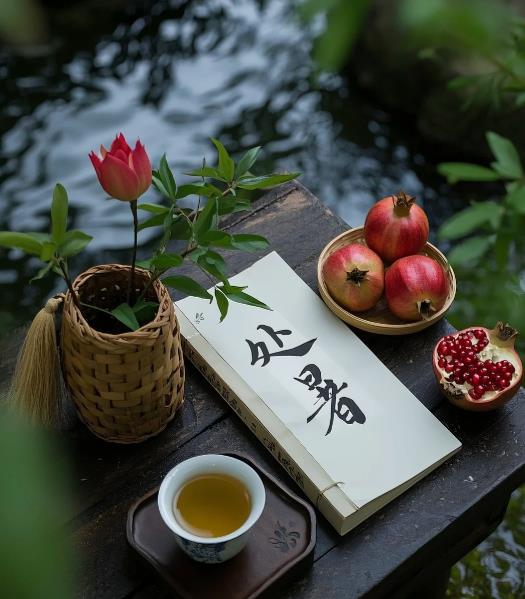
What Does “Chushu” Mean?
In classical Chinese, “Chu” (处, chǔ) means “to cease” or “to stop” — not “to be at.” The ancient text Yueling Qishier Hou Jijie explains: “Chu means to stop. The heat ceases here.” So “Chushu” means: the sweltering heat comes to an end at this point.
After the Song Dynasty, people began calling it “Chu Shu” (出暑), meaning “exiting the heat,” which expresses the same idea even more directly.

However, Chushu does not mean the weather instantly turns cool. This period still falls at the tail end of the “Dog Days of Summer,” and the heat has not fully faded. There is a folk saying about the “Autumn Tiger” — meaning that after Chushu, a brief spell of hot weather may suddenly return, catching people off guard like a tiger pouncing.
So Chushu is more like a signal — it tells people: summer is about to end, and autumn is on its way.
Nature’s Signals: The Three Pentads of End of Heat
Ancient Chinese divided Chushu into three pentads (each lasting five days) to record the subtle changes in nature during this transitional period:
- First Pentad: Eagles Begin to Sacrifice Birds. Eagles sense the solemn energy of autumn and begin hunting birds in large numbers. Ancient people called eagles “righteous birds,” believing that before consuming their prey, they would first lay it out as an offering — much like humans making sacrifices to their ancestors.
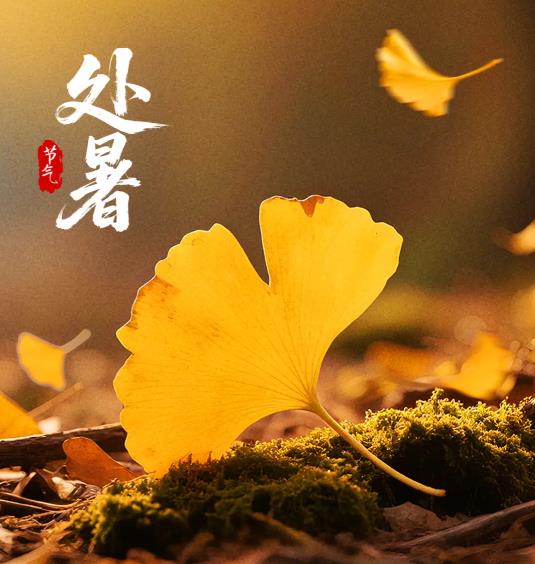
- Second Pentad: Heaven and Earth Begin to Wither. All things in nature begin to fade, filling the world with a sense of solemnity. Grass and trees start to yellow, leaves gradually fall, and nature takes on a restrained, quiet atmosphere.
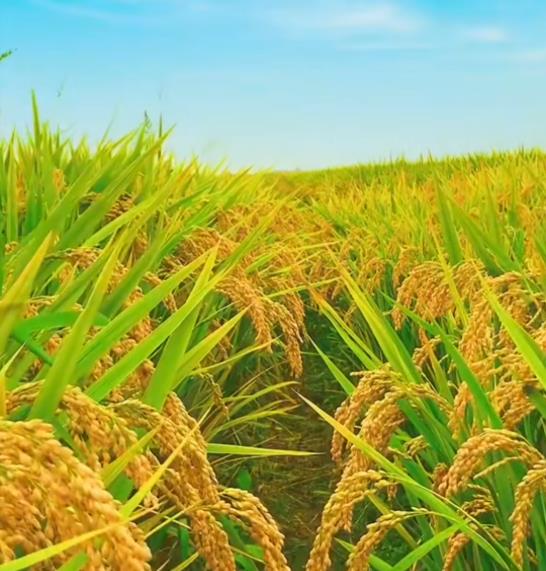
- Third Pentad: Grains Ripen. “He” (禾) is a general term for crops such as millet, sorghum, rice, and grain. “Deng” (登) means ripening or maturing. During Chushu, the crops in the fields enter their mature phase — golden rice ears sway in the wind, and scenes of harvest are everywhere.
Climate Characteristics of End of Heat
Around Chushu, most parts of China are still experiencing hot weather, but signs of weakening heat are beginning to appear.
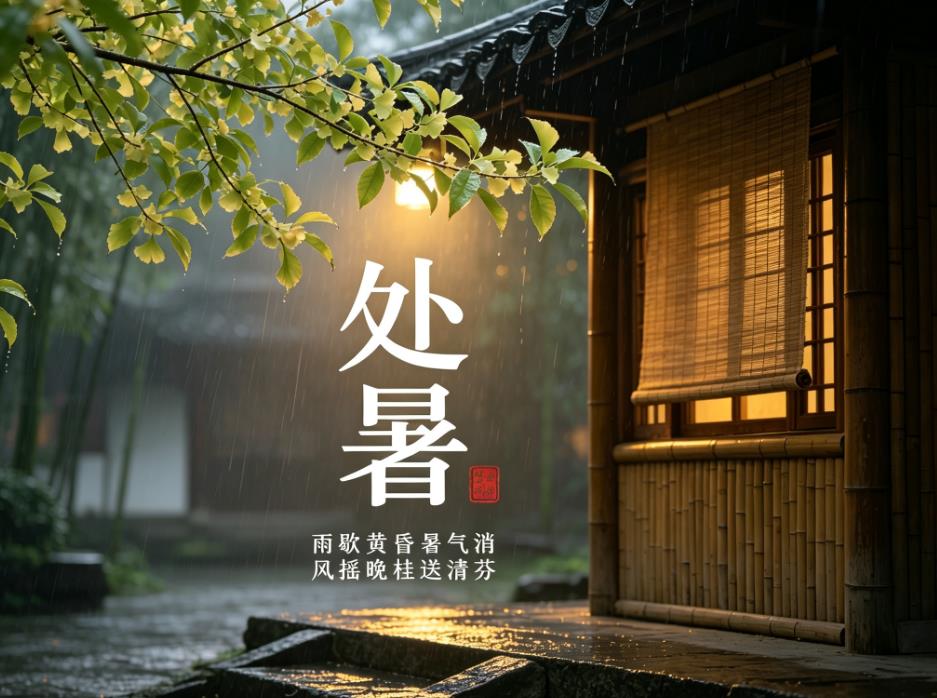
The most noticeable change is this: although daytime remains hot, mornings and evenings start to feel cool. There is a Chinese saying: “Every autumn rain brings a chill.” This means that after Chushu, each rainfall drops the temperature a little further. The rain washes away the summer heat from the air and ushers in the breath of autumn.
In agriculture, Chushu is a critical turning point. At this time, early rice has ripened, late rice is heading, cotton bolls are forming, and various autumn harvest crops enter their final grain-filling stage. Farmers must rush to harvest the mature crops while also preparing for autumn planting — making it one of the busiest periods of the year.
Customs Full of Everyday Warmth
Although Chushu is not as grand as Spring Festival or Mid-Autumn Festival, it has given rise to many charming and heartwarming customs:
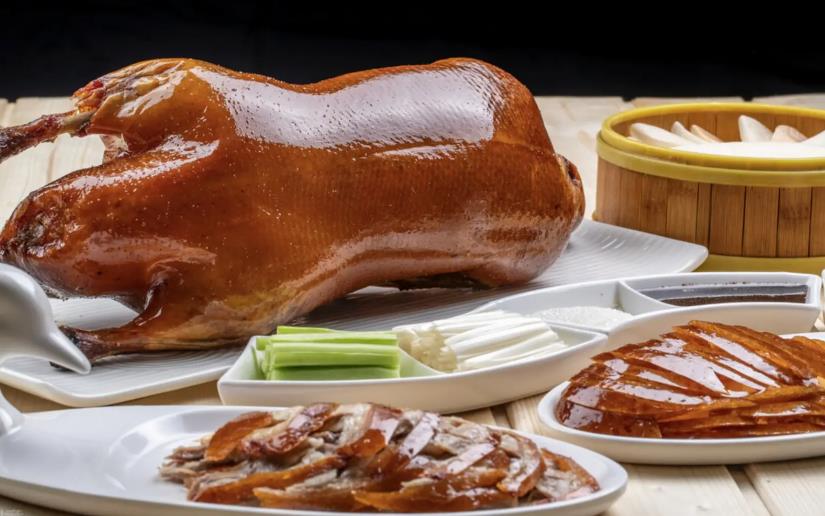
1. Eating Duck
There is a tradition of eating duck during Chushu. Folk belief holds that ducks are at their most plump and nutritious around the middle of the seventh lunar month, nourishing yin, enriching the blood, clearing heat, and strengthening the spleen. As the weather shifts from hot to cool during Chushu, the body needs moistening and nourishment — and duck meat, being cooling in nature, is perfectly suited for this season. Whether it’s Peking duck, Nanjing salted duck, or a slow-simmered old duck soup, duck dishes are always a delicacy on the Chushu dinner table.
2. Floating River Lanterns
Chushu falls around the time of the Ghost Festival (the 15th day of the seventh lunar month), when people have the custom of floating river lanterns. These lanterns, also called “lotus lanterns,” typically have a candle or lamp placed on a lotus-shaped base, then set afloat on rivers, lakes, or seas on the night of the festival. They express remembrance for the departed and blessings for loved ones. The glowing lanterns drifting with the current look like stars scattered across the water — both beautiful and poetic.

3. Worshipping the Earth God
Chushu coincides with the time of crop harvest. On this day, farmers traditionally offer prayers to the Earth God, hoping for favorable weather and a bountiful harvest. This is a ritual of gratitude toward nature, reflecting the traditional Chinese philosophy of “harmony between heaven and humanity.”
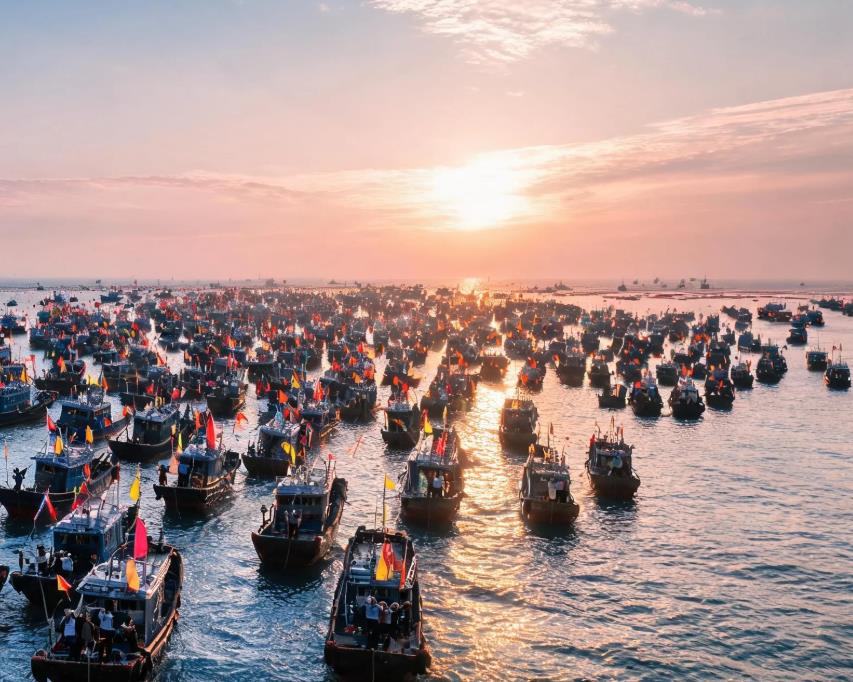
4. Opening Fishing Festivals
Chushu is a season of great abundance for fisheries. At this time, sea water temperatures remain relatively high, fish schools gather near coastal waters, and fish, shrimp, and shellfish are nearing full maturity — making it ideal for harvesting. Every year during Chushu, many coastal regions in China hold “Opening Fishing Festivals,” with ceremonies of sea worship, releasing offerings into the ocean, and sending fishing boats out to sea — all expressing the heartfelt wish that fishermen will return with满载 (full loads).
Conclusion
Chushu is like a farewell letter from summer to autumn. In the gentlest way, it tells Chinese people: the hottest days are about to pass, and the season of harvest is drawing near.
Next time you feel the first cool breeze of the morning, see golden rice ears swaying in the fields, or enjoy a sumptuous duck feast during this season, take a moment to feel this ancient Chinese wisdom — the turning of seasons never announces itself loudly. It always arrives quietly, with a tiny change, to remind you: life is turning a new page.



There are no comments yet, come and comment~