
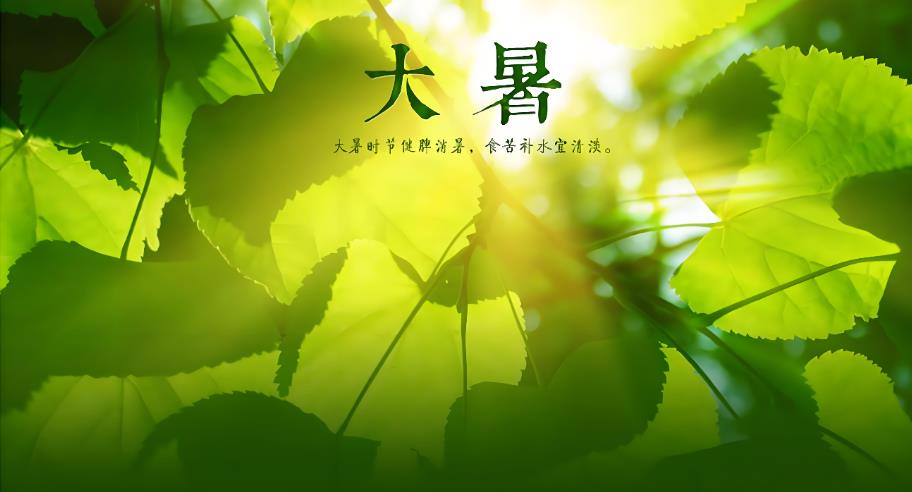
For international friends exploring the traditional Chinese calendar, “Major Heat” (Dashu) is the most intense of all 24 solar terms. It is the twelfth solar term, usually arriving between July 22nd and 24th in the Gregorian calendar. If Minor Heat is the opening act of summer’s heat, then Major Heat is the grand climax — the hottest, most humid, and most challenging days of the entire year have officially arrived.
What Does “Dashu” Mean?
In Chinese, “Da” (大) means “great” or “major,” and “Shu” (暑) means “heat.” So “Dashu” is straightforward: the heat has reached its absolute peak.
Ancient Chinese people explained it this way: “In the middle of the sixth lunar month, heat reaches its greatest intensity. The early part is Minor Heat, and the middle part is Major Heat.” In other words, Minor Heat was just the warm-up — Major Heat is when the real scorching days begin.
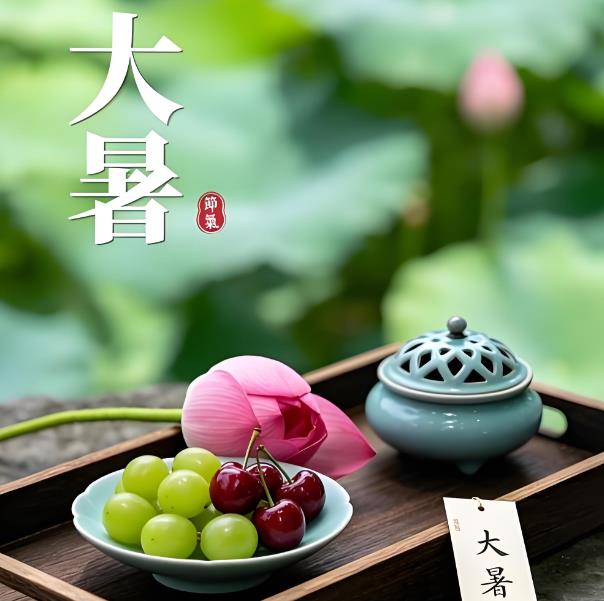
Dashu usually falls around the “Middle Fu” period of the “Dog Days of Summer,” making it the time of year with the highest temperatures and greatest humidity. Most of China is blanketed in sweltering, muggy weather during this period.
Nature’s Signals: The Three Pentads of Major Heat
Ancient Chinese divided Dashu into three pentads (each lasting five days) to record the subtle changes in nature during peak summer:
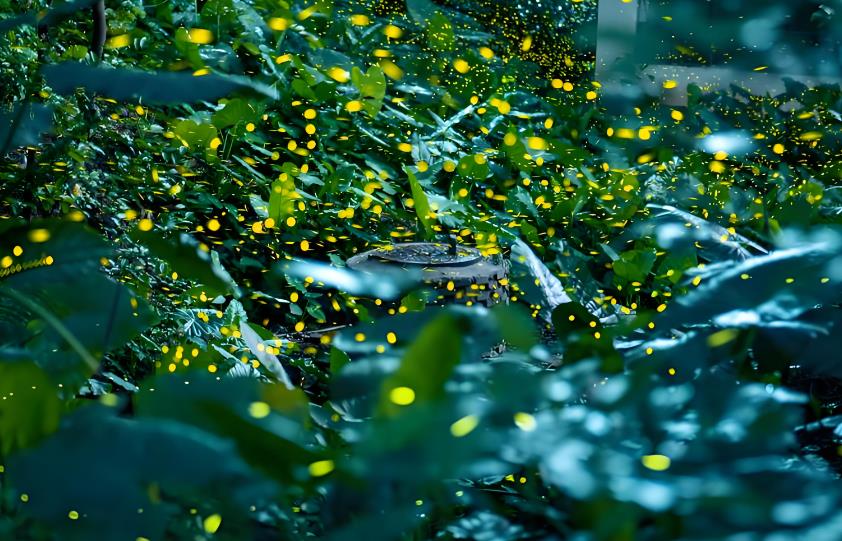
First Pentad: Rotten Grass Becomes Fireflies.
Ancient people believed that fireflies were born from decaying grass. While this isn’t scientifically accurate, it captures a beautiful natural phenomenon — during Dashu, the fields and streamsides come alive with the gentle glow of fireflies at night, like tiny spirits dancing in the summer darkness.
Second Pentad: Earth Becomes Humid and Hot.
The sun blazes down on the land, making the soil warm and damp. The air is thick with moist heat. This “hot and humid” feeling is the most defining climate characteristic of Dashu.
Third Pentad: Heavy Rains Arrive.
Despite the scorching heat, Dashu is also the season of the most frequent thunderstorms. In the afternoons, lightning often flashes across the sky, followed by torrential downpours that bring brief relief from the heat.

Climate Characteristics of Major Heat
Around Dashu, most parts of China enter the hottest period of the year. Southern regions endure extreme heat, with temperatures often exceeding 40°C (104°F); the north also sinks into high-temperature, high-humidity “sauna days.”
There is a vivid Chinese folk saying: “During Minor Heat and Major Heat, you’re steamed from above and boiled from below.” The scorching sun beats down from above, while hot air rises from the ground, making people feel as if they are trapped inside a giant steamer. On top of that, the extremely high humidity makes it nearly impossible for sweat to evaporate, so the “feels-like” temperature is often several degrees higher than the actual reading.

However, Dashu is also the period when crops grow the fastest. The combination of intense heat and abundant rainfall pushes rice, corn, and other crops into their most vigorous growth phase. So while Dashu is brutally hot, it is also the season that holds the promise of a bountiful harvest.
Time-Honored Customs for Surviving the Heat
Facing the most grueling heat of the year, Chinese people have accumulated a wealth of wisdom for staying cool and healthy throughout history:
1. Drinking Fu Tea
In many southern regions, there is a tradition of drinking “Fu tea” (Dog Days tea) during Dashu. People brew herbal teas using honeysuckle, chrysanthemum, licorice, and other medicinal herbs, and offer them free of charge to passersby.
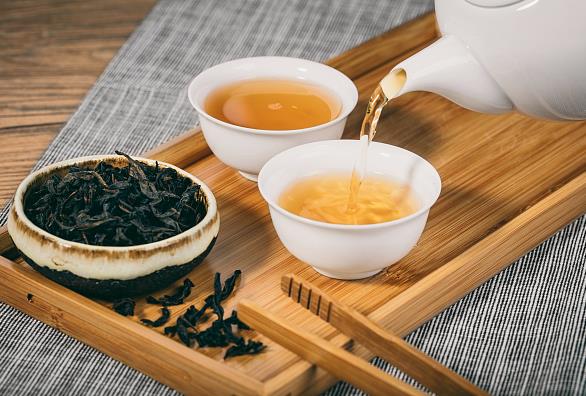
This custom reflects the Chinese wellness philosophy of “using coolness to combat heat,” while also embodying the warmth and generosity of neighborhood communities.
2. Sun-Drying Ginger
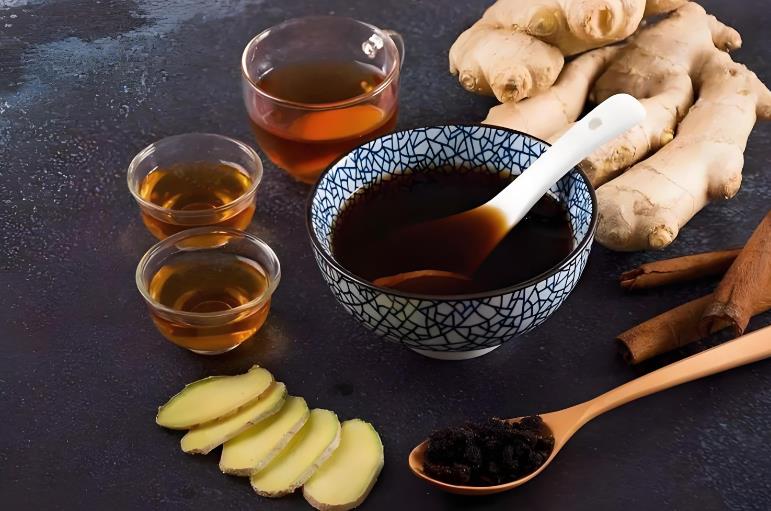
There is a Chinese saying: “Eat radish in winter, eat ginger in summer.” During Dashu, people slice fresh ginger and dry it in the sun, then store it with brown sugar. During the Dog Days, they brew it into a warm ginger tea. It may seem counterintuitive to drink something hot in the middle of summer, but according to Traditional Chinese Medicine, this practice warms the stomach, dispels internal cold, and boosts appetite — a perfect example of the principle of “nourishing yang energy in spring and summer.”
3. Burning Incense During the Dog Days
In some regions, people visit temples to burn incense and pray for good weather and freedom from illness during Dashu. This is both an act of faith and a way for people to seek spiritual comfort during the most oppressive days of the year.
4. Eating Grass Jelly
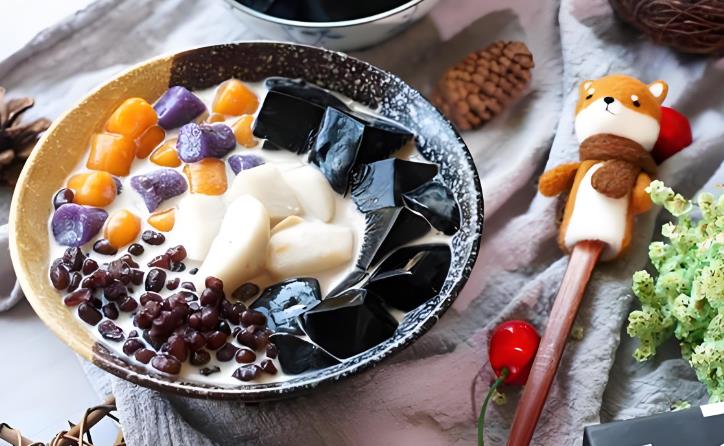
In Guangdong, Fujian, and other southern provinces, there is a tradition of eating “xiancao” (grass jelly) during Dashu. Grass jelly is cooling in nature and is believed to clear heat and relieve summer discomfort. It is one of the most beloved cooling desserts in southern China — a bowl of chilled grass jelly drizzled with honey or sugar syrup is pure bliss on a sweltering day.
5. Sending Off the Dashu Boat
In Taizhou, Zhejiang Province, an ancient custom called “sending off the Dashu boat” is still practiced today. People craft an ornate paper boat, load it with offerings, and send it out to sea accompanied by drums and music. The ritual symbolizes sending away plague and misfortune with the departing boat, praying for peace and safety in the community.
Conclusion
Dashu is summer’s most intense brushstroke. With its extreme heat, it tests the vitality of all living things and reminds Chinese people: the more unbearable the heat, the more one must learn to move with nature and care for body and mind.

Next time you sip a cup of herbal Fu tea, enjoy a bowl of chilled grass jelly, or hear the cicadas gradually quiet down in the evening breeze during this season, take a moment to feel this ancient Chinese wisdom — the hottest days often give birth to the richest harvests. Once you make it through Dashu, autumn is just around the corner.



There are no comments yet, come and comment~