
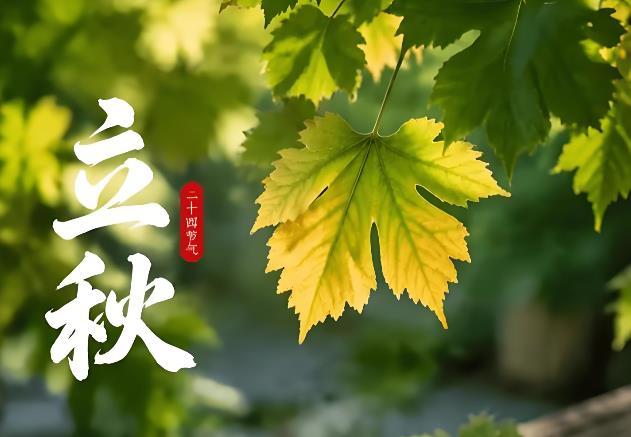
For international friends exploring the traditional Chinese calendar, “Start of Autumn” (Liqiu) is a solar term full of transition. It is the thirteenth of the 24 Solar Terms, usually arriving between August 7th and 9th in the Gregorian calendar. From this day on, autumn officially opens its curtain, and the hot summer begins its gradual retreat.
What Does “Liqiu” Mean?
In Chinese, “Li” (立) means “beginning” or “to stand,” and “Qiu” (秋) means “autumn.” So “Liqiu” is quite straightforward: autumn has begun.
However, for most parts of China, Liqiu does not mean the weather instantly turns cool. This period still falls at the tail end of the “Dog Days of Summer,” and the heat has not fully faded. Many places remain sweltering. There is a folk saying about the “Autumn Tiger” — meaning that after Liqiu, a brief spell of hot weather may suddenly return, catching people off guard like a tiger pouncing.

So Liqiu is more like a signal — it tells people: summer is about to end, and autumn is on its way.
Nature’s Signals: The Three Pentads of Start of Autumn
Ancient Chinese divided Liqiu into three pentads (each lasting five days) to record the subtle changes in nature during early autumn:
First Pentad: Cool Winds Arrive.
After Liqiu, a trace of coolness begins to appear in the breeze. Although daytime temperatures may still be high, the morning and evening winds are no longer as stifling as in midsummer — they carry a refreshing crispness instead.
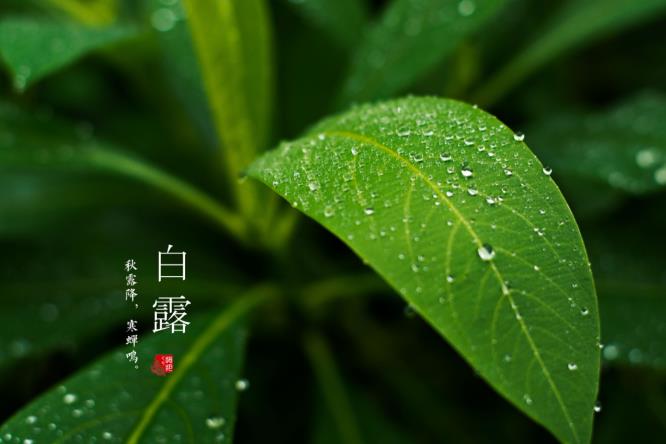
Second Pentad: White Dew Descends.
As the temperature difference between day and night gradually widens, tiny dewdrops begin to form on grass leaves in the early morning. Ancient people saw this as a sign that yin energy was quietly growing in the world.
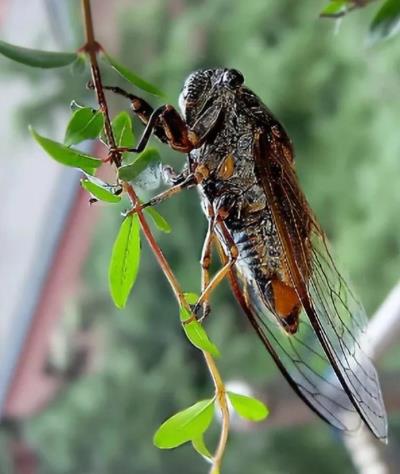
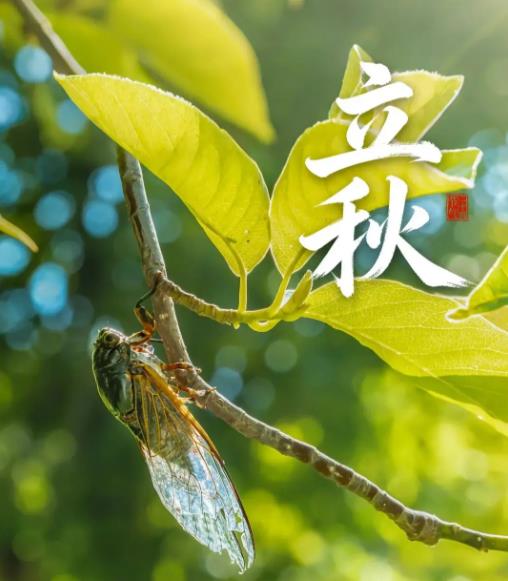
Third Pentad: Cold Cicadas Sing.
Autumn cicadas sense the coolness and begin to call out in low, lingering tones. Unlike the loud, passionate chirping of summer cicadas, the autumn cicada’s song carries a touch of melancholy, as if bidding farewell to summer.
Climate Characteristics of Start of Autumn
Around Liqiu, most parts of China are still experiencing hot weather, but signs of weakening heat are beginning to appear.
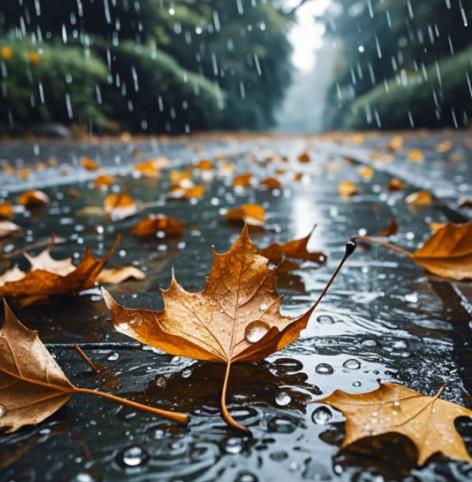
The most noticeable change is this: although daytime remains hot, mornings and evenings start to feel cool. There is a Chinese saying: “Every autumn rain brings a chill.” This means that after Liqiu, each rainfall drops the temperature a little further. The rain washes away the summer heat from the air and ushers in the breath of autumn.
In agriculture, Liqiu is a critical turning point. At this time, early rice has ripened, late rice is heading, cotton bolls are forming, and various autumn harvest crops enter their final grain-filling stage. Farmers must rush to harvest the mature crops while also preparing for autumn planting — making it one of the busiest periods of the year.
Customs Full of Everyday Warmth
Although Liqiu is not as grand as Spring Festival or Mid-Autumn Festival, it has given rise to many charming and heartwarming customs:
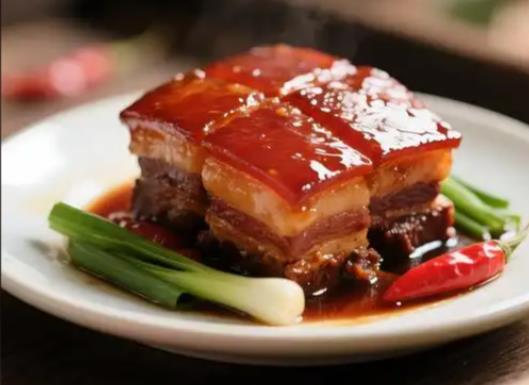
1. Gaining Autumn Weight (“Tie Qiubiao”)
This is the most widely known Liqiu custom. “Gaining autumn weight” means eating a hearty meat-based meal on this day to make up for the weight lost during the hot summer. In the past, people often became thin after enduring a long, sweltering summer. Once the weather cooled after Liqiu, their appetites returned, making it the perfect time to nourish the body. Braised pork, stewed ribs, hot pot lamb — the Liqiu dinner table was always especially lavish.
2. “Gnawing” Autumn
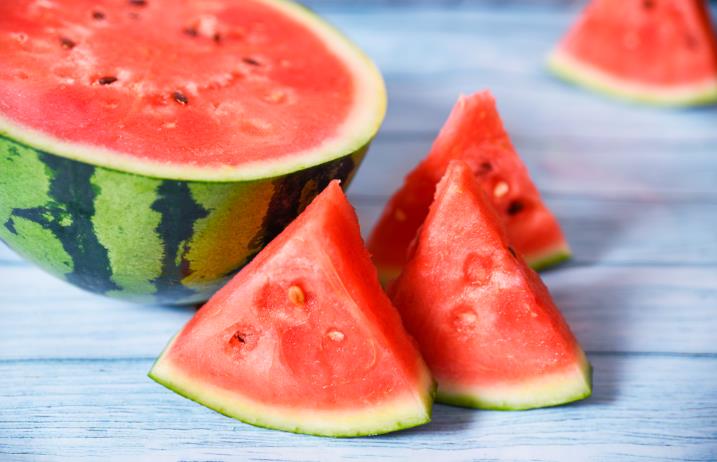
In Tianjin, Jiangsu, and other places, there is a custom of “gnawing autumn” on Liqiu. People eat watermelon on this day, symbolically “gnawing” away the last traces of summer heat to welcome autumn’s arrival. In some areas, people also eat peaches or eggs for the same purpose — to “bite into” autumn.
3. Drying the Harvest
In places like Wuyuan, Jiangxi Province, after Liqiu, villagers bring their harvested chili peppers, corn, pumpkins, and other crops onto rooftops and windowsills to dry in the sun. The colorful crops spread across white walls and dark roof tiles create a stunning pastoral painting. This custom, called “drying autumn,” is both a practical way to preserve food and a unique cultural landscape.
4. Autumn Harvest Fairs
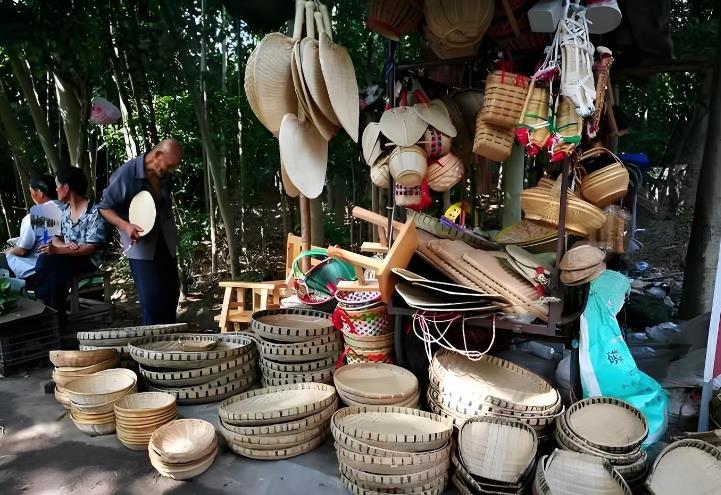
In some rural areas, “autumn harvest fairs” are held around Liqiu — similar to agricultural markets. People buy and sell farming tools, seeds, and livestock, preparing for the upcoming autumn harvest and planting season.
Conclusion
Liqiu is like a transition letter from summer to autumn. In the gentlest way, it tells Chinese people: the hottest days are about to pass, and the season of harvest is drawing near.
Next time you feel the first cool breeze of the morning, notice dewdrops glistening on grass leaves, or enjoy a hearty “gaining autumn weight” feast during this season, take a moment to feel this ancient Chinese wisdom — the turning of seasons never announces itself loudly. It always arrives quietly, with a tiny change, to remind you: life is turning a new page.



There are no comments yet, come and comment~