
China, an ancient nation with a history spanning five millennia, views its traditional festivals as far more than just red dates on a calendar. They are the ultimate expression of the Chinese people’s emotions, beliefs, and way of life. For international friends looking to understand Chinese culture, these festivals are the perfect key to unlocking this fascinating world.

📜 Origins: Time, Nature, and Humanity
The formation of traditional Chinese festivals was a long historical process, primarily rooted in three main aspects:
- Astronomy and Agricultural Civilization Ancient Chinese people developed the lunisolar calendar early on. Most festivals are closely tied to the 24 solar terms. For example, the Spring Festival marks the beginning of spring and the revival of farming, while the Mid-Autumn Festival celebrates the joy of the autumn harvest. Originally, these festivals were established by farmers to pray for favorable weather and celebrate bountiful harvests.
- Primitive Beliefs and Ancestor Worship Ancient people revered nature and worshipped deities and ancestors. Many festivals, such as the Qingming Festival and the Ghost Festival, originated as rituals to honor ancestors and seek their blessings. This philosophy of “respecting our roots” remains the core spirit of these celebrations today.
- Historical Legends and Commemoration Over time, specific stories and figures became attached to these festivals. For instance, the Dragon Boat Festival commemorates the patriotic poet Qu Yuan, while the Cold Food Festival honors Jie Zitui. These stories infuse the festivals with humanistic charm and moral significance.

🗓️ Categories: Rituals Across the Four Seasons
While there are numerous traditional Chinese festivals, the most significant ones follow the lunar calendar. We can categorize the major ones as follows:
1. Out with the Old, In with the New: Spring Festival
- When: 1st day of the 1st lunar month
- Significance: The grandest and most vibrant festival in China, often compared to Christmas in the West.
- Key Customs:
- Reunion Dinner: No matter how far away, people travel home to share this special meal.
- The Color Red: Pasting Spring Festival couplets, hanging lanterns, and giving red envelopes (lucky money). Red symbolizes driving away evil spirits and welcoming good fortune.
- Zodiac Animals: Each year corresponds to an animal (e.g., Dragon, Rabbit, Tiger) in a 12-year cycle.

2. Remembrance and Spring Outings: Qingming Festival (Tomb-Sweeping Day)
- When: April 4th or 5th (based on solar terms)
- Significance: A unique blend of a solar term and a traditional festival.
- Key Customs: People sweep tombs to honor their ancestors and go on spring outings to fly kites. It beautifully reflects the Chinese philosophical view of life and death—mourning the departed while embracing the vitality of spring.

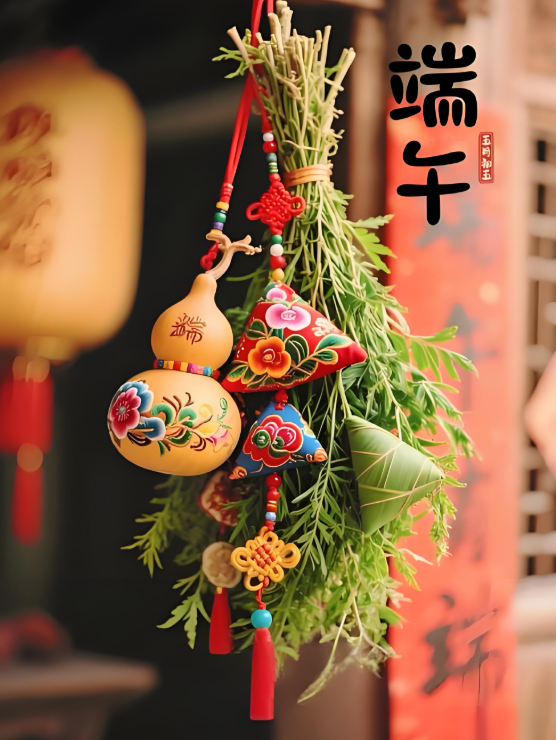
3. Dragons and Zongzi: Dragon Boat Festival
- When: 5th day of the 5th lunar month
- Key Customs:
- Dragon Boat Racing: Originally simulating the rescue of Qu Yuan, it has evolved into an international sport.
- Eating Zongzi: Sticky rice dumplings wrapped in bamboo leaves, with sweet or savory fillings (a classic debate between Northern and Southern China!).
- Health & Hygiene: Ancient people believed the 5th lunar month was prone to diseases, leading to customs like hanging mugwort and drinking realgar wine—an early form of Chinese public health wisdom.
4. Moonlight and Longing: Mid-Autumn Festival
- When: 15th day of the 8th lunar month
- Key Customs:
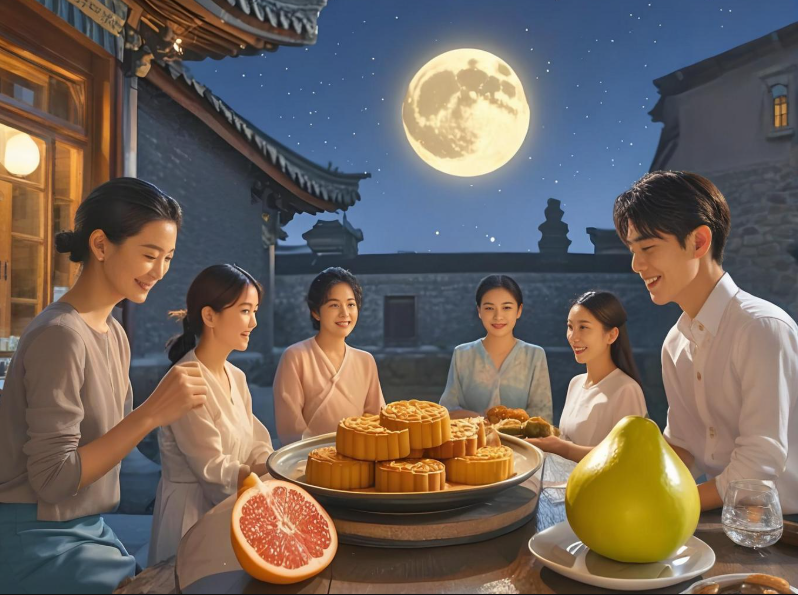
- Moon Gazing: The moon is believed to be at its fullest and brightest, symbolizing family reunion.
- Mooncakes: Round pastries representing wholeness and unity.
- Mythology: The legend of Chang’e flying to the moon adds a touch of romance to the festival.
5. Other Notable Festivals
- Lantern Festival: The first full moon after the Spring Festival, celebrated with lantern displays and riddle guessing.
- Qixi Festival: 7th day of the 7th lunar month. Rooted in the legend of the Cowherd and the Weaver Girl, it is considered the “Chinese Valentine’s Day.”
- Double Ninth Festival: 9th day of the 9th lunar month. Celebrated by climbing mountains and honoring the elderly.

🌏 Global Impact: From Family to the World
The influence of traditional Chinese festivals has transcended borders, deeply rooted in the East Asian cultural sphere and gradually embracing the globe.
1. Social Cohesion: The Concept of Family Regardless of the fast pace of modern life, the Spring Festival travel rush (Chunyun) triggers the largest periodic human migration on Earth. This deep attachment to “family” is a vital bond maintaining social stability in China.

2. Cultural Radiation: The Sinosphere Influenced by Chinese culture, countries like South Korea, Japan, Vietnam, and Southeast Asian nations such as Singapore and Malaysia still celebrate the Spring Festival, Dragon Boat Festival, or Mid-Autumn Festival. Though forms may vary slightly, the cultural core remains the same.

3. Going Global: Worldwide Celebrations Today, in major cities like London, New York, and Sydney, dragon and lion dances during the Spring Festival have become significant local cultural events. More and more international friends are trying their hand at making dumplings and eating mooncakes, experiencing the aesthetic of Eastern lifestyle.
📌 Conclusion
Traditional Chinese festivals are not merely about food and entertainment; they are a philosophy of time, nature, and humanity. They teach people to respect nature (following the solar terms), honor history (commemorating ancestors), and cherish family ties (reunions).

Next time you see a full moon or eat a sweet Zongzi, we hope you can feel the warmth and blessings from this ancient Eastern civilization.


There are no comments yet, come and comment~