
When the north wind grows biting cold and daylight shrinks to its yearly minimum, China welcomes a traditional solar term filled with philosophical thought and warm sentiment: the Winter Solstice, or Dōngzhì.

It is not only a pivotal point among the 24 Solar Terms but also a beloved traditional festival, often described in folklore as “the Winter Solstice is as significant as the New Year.”
What is the Winter Solstice?
The Winter Solstice usually arrives between December 21st and 23rd on the Gregorian calendar. On this day, the sun shines directly on the Tropic of Capricorn, making it the day with the shortest period of daylight and the longest night in the Northern Hemisphere. You can think of it as nature’s “turning point.” Starting from this day, daylight will gradually lengthen, and nights will slowly shorten. The footsteps of spring, though slow, have quietly begun.

In ancient China, the Winter Solstice was considered an auspicious day because it symbolized the resurgence of “Yang Qi” (the warm, growing energy), representing the beginning of a new cycle. Thus, the Winter Solstice embodies the ancient wisdom of “after the bitter cold, comes warm spring,” implying that light and hope will eventually arrive.
How Do People Celebrate the Winter Solstice?
The customs of the Winter Solstice are full of earthly delights, centered around “reunion” and “nourishment.”
Counting the Nines
To pass the coldest period of the year, ancient people ingeniously created the custom of “Counting the Nines.” Starting from the Winter Solstice, every nine days constitute one “Nine.” After counting nine “Nines” (81 days in total), spring is believed to arrive.

People would draw a “Nine Nine Cold Dispelling Diagram,” filling in a plum blossom petal or tracing a stroke of a character each day, awaiting the spring warmth in a poetic countdown.
Dumplings in the North, Tangyuan in the South
The “culinary map” of the Winter Solstice is quite interesting, mainly defined by the differences between northern and southern China.
-
-
Northern China: The common saying goes, “Eat dumplings on the Winter Solstice to prevent frostbitten ears.” This tradition originates from the ancient medical sage Zhang Zhongjing, who once cooked “Jiao Er” (dumpling-like ears) filled with mutton and medicinal herbs in the harsh winter to help people keep warm. Thus, eating steaming hot dumplings has become a warm ritual for northerners.
-

-
-
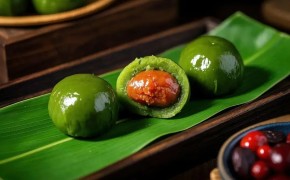
Southern China: People prefer Tangyuan (sweet glutinous rice balls). The Tangyuan eaten during this time are also called “Winter Solstice Balls.” Their round shape, made from glutinous rice flour and often filled with sweet fillings, symbolizes “family reunion” and “completeness,” representing family harmony and a sweet life.
-

Ancestor Worship and Family Reunion
In ancient times, the Winter Solstice was an important day for worshipping heaven and ancestors. Emperors would hold grand ceremonies to worship heaven, while common people would make offerings at their ancestral halls. To this day, it remains a time for family gathering.

No matter how busy one is, sitting around the table with family for a hearty meal is the best way to ward off the winter chill.
The Winter Solstice Today
In modern times, many of the ancient ceremonial practices have simplified, but the core spirit of the Winter Solstice—family reunion, living in harmony with nature, and hoping for a bright future—remains deeply etched in the hearts of Chinese people. It reminds us that during the coldest days, we should cherish the warmth around us and hold hope for the rebirth that is to come.

In summary, the Winter Solstice is more than just a climatic marker; it is a cultural symbol. It teaches us that after the deepest darkness comes light, and within the coldest winter lies the warmth of togetherness and the hope for spring.






There are no comments yet, come and comment~